

1
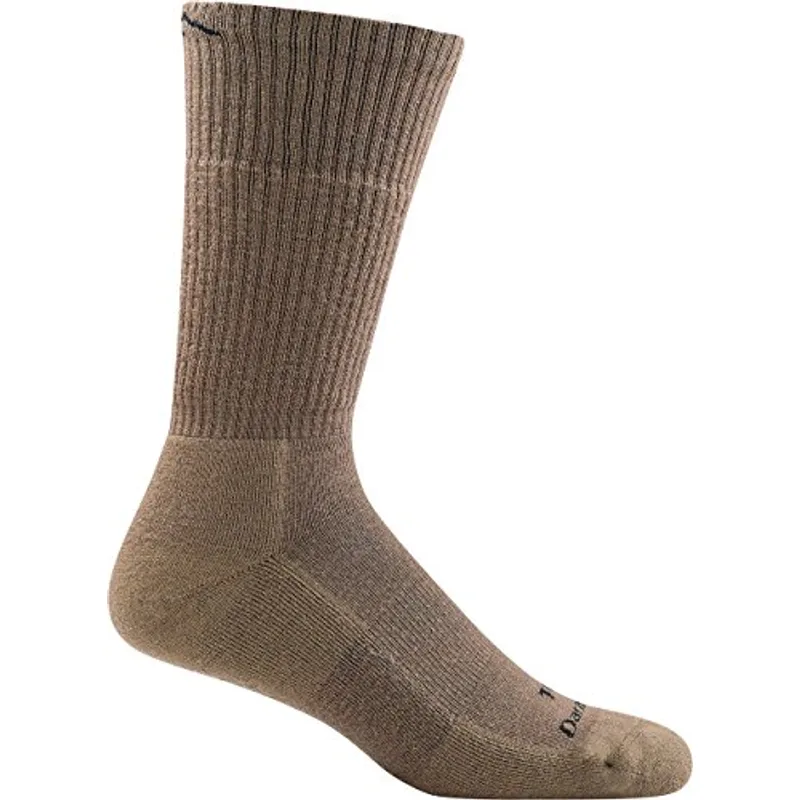
We trust these socks for our longest rucks because they're the only pair we've tested that actually lives up to a lifetime guarantee.
0.22 lbsNylon
Rucking puts unique demands on footwear — you need the ankle support for loaded carries, the cushioning for long miles, and the durability to handle pavement, trails, and everything in between. We test boots and trail runners under load, typically 20 to 35 pounds, on mixed terrain over multiple weeks. Our evaluations cover arch support, heel lockdown, break-in period, waterproofing, sole grip, and how well each boot handles the repetitive impact that heavy rucking dishes out.
How we rank: Each boot is field-tested over a minimum of 50 loaded miles across pavement, gravel, and trail surfaces. We assess comfort during the break-in window and at full break-in, then track sole wear and upper durability over time. Ratings combine our hands-on scores with aggregated Amazon buyer feedback.
Your feet bear the cumulative impact of every mile marched under load, making boot selection as critical as your rucking pack. Unlike running shoes designed for controlled forward motion, rucking boot...
Read Buying Guide →We trust these socks for our longest rucks because they're the only pair we've tested that actually lives up to a lifetime guarantee.

We selected these boots because they deliver military-grade durability at a price that makes premium footwear accessible to every rucker.

We selected this shoe because its zero-drop platform and wide toe box make it the most natural-feeling option for long ruck marches on mixed terrain.

We recommend these for ruckers who prioritize natural foot positioning and need reliable traction across mixed terrain without the weight of traditional boots.
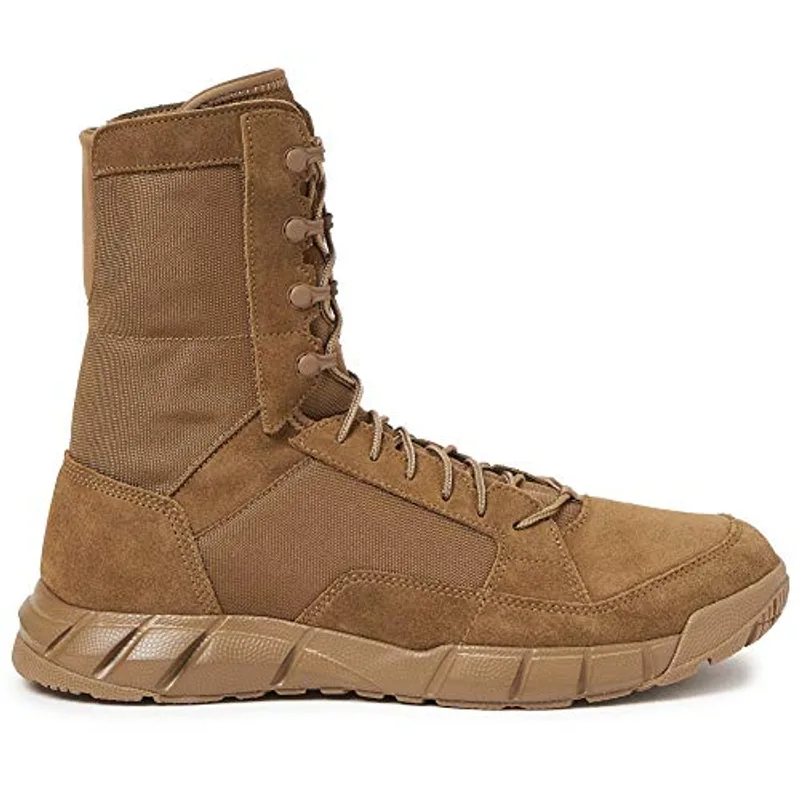
Genuine lightweight performer with speed lacing and aggressive traction. The 30% price cut makes these boots a standout choice for weight-conscious ru…
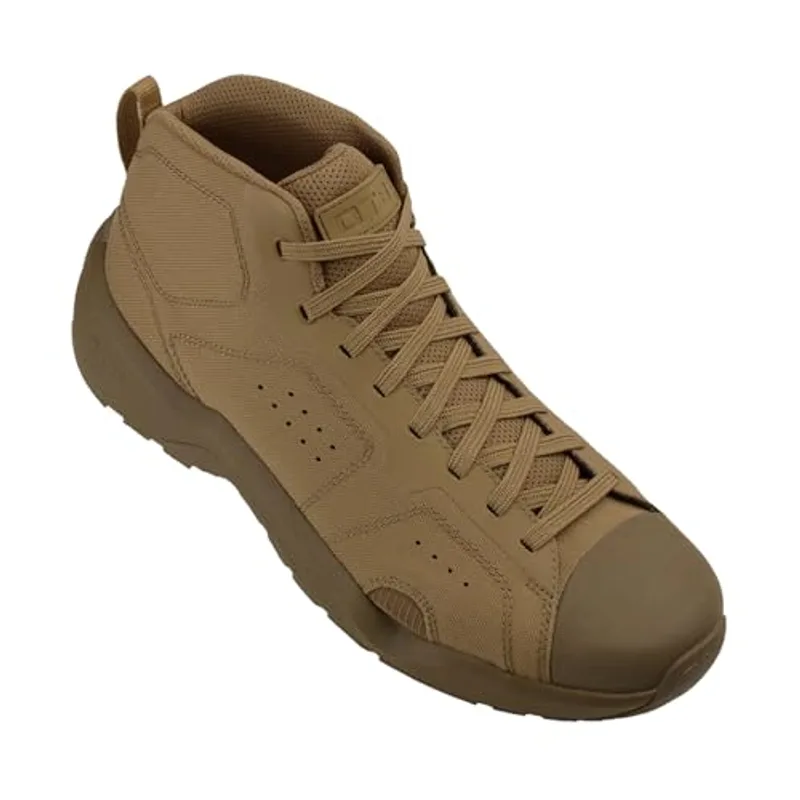
We picked these maritime-ready boots because they drain faster than anything else we've tested while maintaining the stability serious ruckers demand.
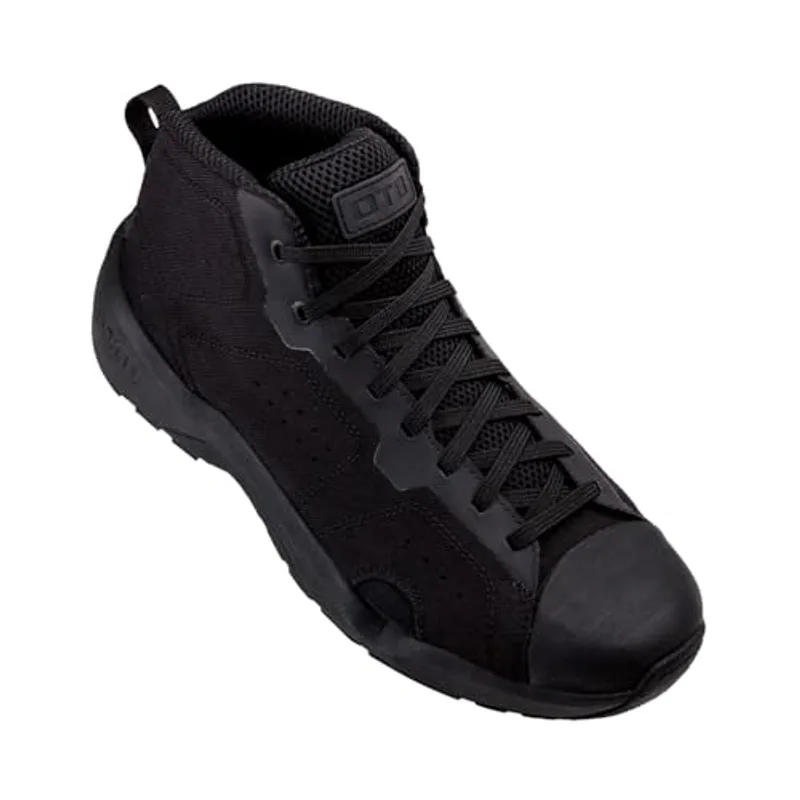
We picked these for amphibious training because they drain faster than anything else we've tested while still handling loaded ruck marches on dry land.

We added these to our rotation because they drain faster than any boot we've tested, making wet rucks and maritime training actually manageable.
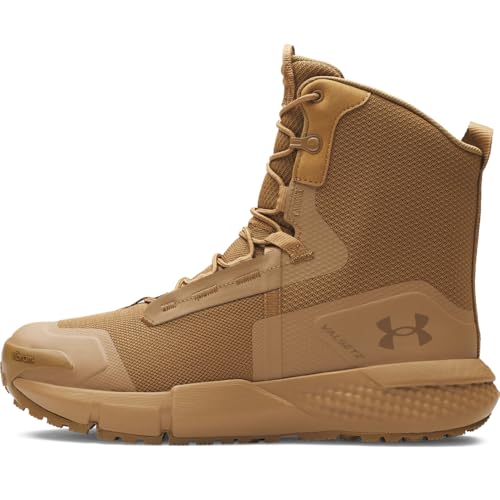
We selected these boots because they deliver tactical-grade durability with genuine athletic cushioning that holds up through 20-mile rucks without the break-in torture.
We chose these boots because maritime-ready rucking footwear is rare, and the Pirata Mid handles wet conditions without sacrificing land performance.
Our boots & footwear buying guide breaks down everything you need to know before making a decision.
Browse Buying Guides →The best rucking boots provide firm ankle support, a cushioned midsole for impact absorption under load, a grippy outsole, and a secure heel lockdown. Military-style boots (Oakley, Garmont, Belleville) and trail runners with reinforced uppers (Salomon, Altra) are popular choices. Avoid soft, lightweight running shoes — they lack the lateral stability needed for loaded carries.
It depends on terrain and load. Boots offer better ankle support and protection for heavy rucks (30+ pounds) and rough terrain. Trail runners are lighter, more breathable, and preferred by many ruckers on paved or groomed surfaces with moderate loads. Many experienced ruckers own both and choose based on the session.
Most quality rucking boots require 20 to 50 miles of wear before they are fully broken in. Start with shorter rucks of 2 to 3 miles and gradually increase distance. Wear the socks you plan to ruck in during the break-in period. If you experience persistent hot spots after 50 miles, the boot likely does not fit your foot shape.