Budget Trail Shoe That Punches Above Weight
Columbia's Crestwood just dropped to $60, making it one of the most accessible entry points into serious rucking footwear. At 0.81 pounds per shoe, it's light enough for long miles but built with materials that suggest durability beyond its price tag.
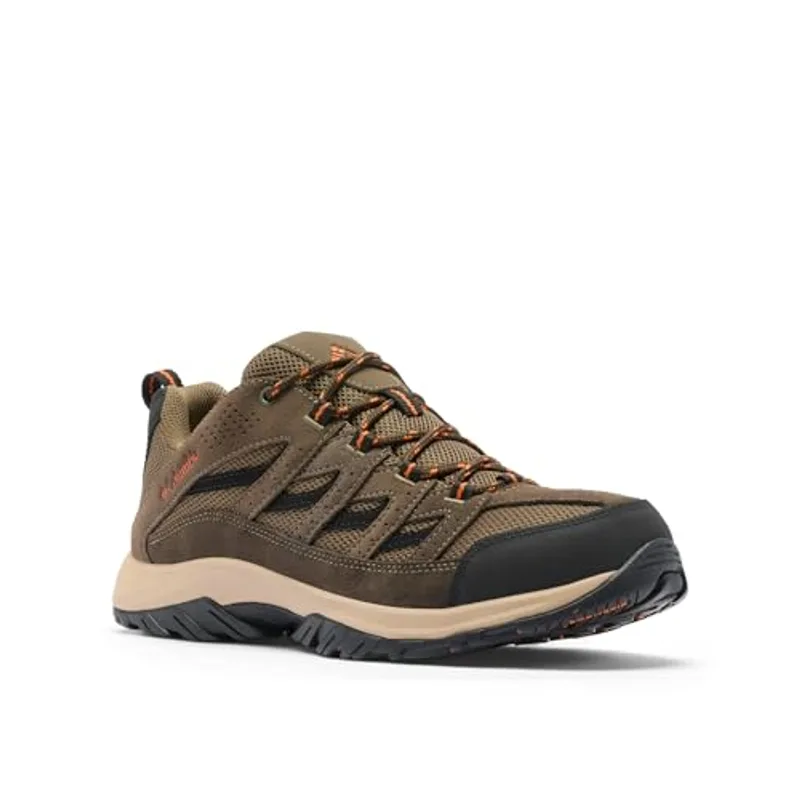
At $60, the Crestwood delivers legitimate trail performance with TechLite cushioning and Omni-Grip traction. Not purpose-built for rucking, but the price-to-performance ratio is hard to argue with.
Best for: Budget-conscious beginners and light ruck training sessions
Check Price — $79.99Specifications
| Price | $79.99 |
| Weight | 0.81 lbs |
| Dimensions | 6H x 10W x 14L in |
| Material | Leather, Mesh, Suede |
Durability
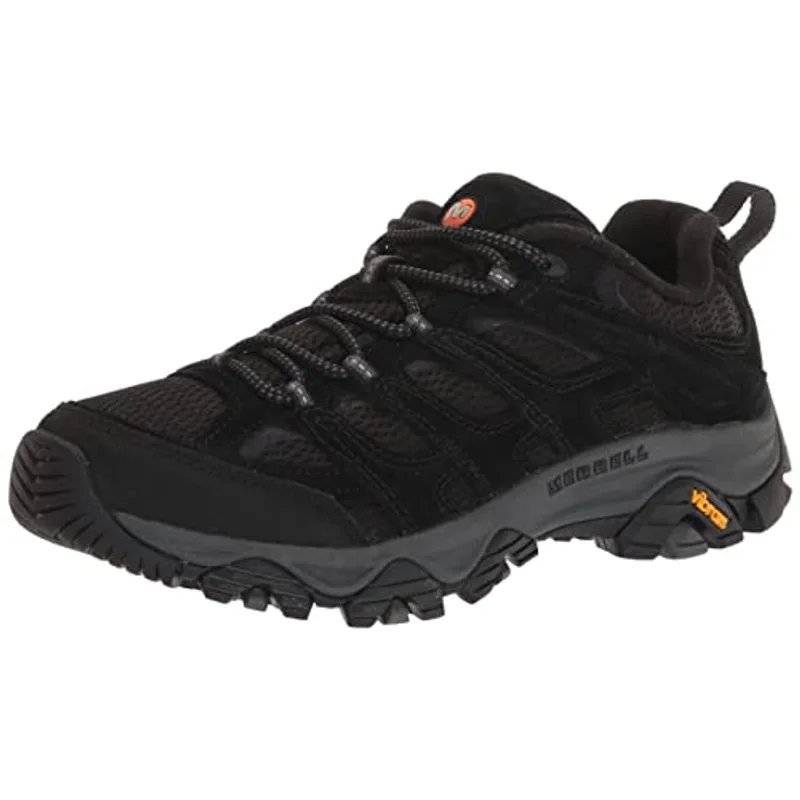
The material stack—leather, suede, and mesh—creates a hybrid upper that balances breathability with abrasion resistance. Columbia's construction quality shows in the stitching and overlay placement, particularly around high-wear zones like the toe cap and heel counter.
The Omni-Grip outsole is non-marking rubber, which means it's softer than aggressive trail rubber. You'll get excellent grip on varied terrain, but heavy ruck loads will accelerate wear compared to harder compounds. Expect 300-500 miles depending on load weight and surface type.
For a shoe at this price point, the build quality exceeds expectations. The leather and suede will break in nicely, though the mesh panels are the weak link for long-term durability under sustained load.
Comfort
TechLite midsole technology provides responsive cushioning that works well for moderate ruck weights up to 30 pounds. The foam offers decent energy return without the mushy feel of budget EVA, and the 0.81-pound weight per shoe won't fatigue your legs on longer sessions.
The combination upper breathes well thanks to mesh integration, which matters during warm-weather rucks. Break-in is minimal—most users can ruck immediately without hot spots. The lace-up system provides adequate lockdown, though a more robust lacing configuration would better accommodate heavier loads.
Cushioning is the highlight here. While not as refined as dedicated hiking boots, the TechLite setup handles uneven terrain competently and maintains comfort through 8-10 mile sessions. Arch support is moderate, so flat-footed ruckers may want aftermarket insoles.
Features
Omni-Grip traction delivers on mixed terrain—dirt, gravel, light mud, and pavement all handled confidently. The non-marking rubber compound is indoor-friendly but less aggressive than Vibram or similar trail-specific outsoles. It's a trade-off that works for versatile use.
The webbing integration adds durability at flex points and provides structure without adding significant weight. Columbia's attention to weight distribution shows—at 0.81 pounds, these punch below their class for heft while maintaining necessary support elements.
What's missing: waterproofing, ankle support, and a rock plate. These are low-cut trail shoes, not boots, so they excel at nimble movement rather than heavy-load stability. The mesh breathes well but won't keep your feet dry in wet conditions.
Value
The price drop to $60 transforms these from decent to compelling. You're getting proven Columbia construction, legitimate cushioning technology, and versatile traction at a price point where most competitors offer basic sneakers with trail pretensions.
For beginner ruckers testing the waters or experienced users wanting a lightweight option for shorter sessions, this price delivers. You won't find purpose-built ruck features, but you will find trail-proven components that translate well to loaded walking.
Compare this to $100-150 entry-level hiking shoes, and the value proposition becomes clear. The Crestwood gives you 75-80% of the performance at 40-50% of the cost. It's not cutting corners—it's smart material choices and streamlined design. At $60, these represent one of the better values in rucking-adjacent footwear.
Pros & Cons
Pros
- ✓ Exceptional value at $60 price point
- ✓ Lightweight at 0.81 lbs without sacrificing structure
- ✓ TechLite cushioning handles moderate ruck loads well
- ✓ Minimal break-in period required
- ✓ Versatile Omni-Grip traction on multiple surfaces
- ✓ Quality materials exceed typical budget shoe construction
Cons
- ✗ No waterproofing or water resistance
- ✗ Low-cut design lacks ankle support for heavy loads
- ✗ Mesh panels won't hold up under extreme use
- ✗ Non-marking rubber wears faster than harder compounds
Frequently Asked Questions
Can the Columbia Crestwood handle rucking with 40+ pounds?
Not ideally. The low-cut design and TechLite cushioning work best with loads under 30 pounds. Heavier weights demand more ankle support and firmer midsole construction than these trail shoes provide.
How does the 0.81 lb weight compare to dedicated ruck boots?
It's significantly lighter. Most purpose-built ruck boots weigh 1.5-2.5 pounds per shoe. The Crestwood's low weight reduces fatigue on longer sessions but sacrifices some stability and protection.
Are these waterproof or water-resistant?
Neither. The mesh upper prioritizes breathability over water protection. Expect wet feet in rain or stream crossings. Consider treating with aftermarket water repellent for light moisture protection.
How long will these last for regular rucking?
Expect 300-500 miles depending on load weight and terrain. The Omni-Grip outsole and mesh panels are the first wear points. Lighter loads and smoother surfaces extend lifespan considerably.
Do I need to size up for rucking?
Columbia's sizing runs true. Most users can order their normal size, though going up a half size accommodates thicker socks if you ruck in cold weather or want extra toe room on descents.