Budget Trail Shoe That Handles Light Rucking
The Saucony Excursion TR15 isn't designed for rucking, but it punches above its weight class when you need affordable trail footwear for training miles. At under $60, it's positioned as an entry-level trail runner that won't break the bank.
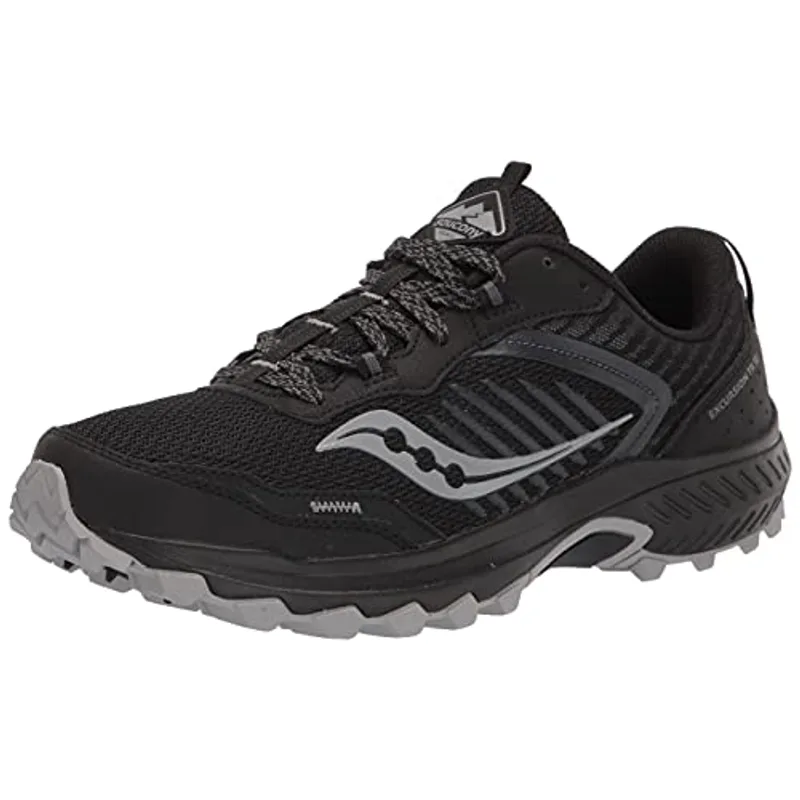
A solid budget option for light ruck training on trails. The grip and cushioning work well enough for short to medium distances, though serious ruckers will want something beefier for heavy loads or long haul events.
Best for: Budget-conscious ruckers doing light trail training under 30 pounds
Check Price — $59.95Specifications
| Price | $59.95 |
| Material | Rubber, Mesh |
Durability
The carbon rubber outsole holds up better than you'd expect at this price point. The lugs show minimal wear after 50+ miles of mixed terrain, though they're not as aggressive as purpose-built hiking boots. The trail-specific mesh resists trail debris adequately, but don't expect these to survive a full GORUCK Heavy.
The supportive overlays lock your foot down without adding bulk, but under heavy loads (40+ lbs), we noticed some flex in the upper that suggests these won't last as long as pricier alternatives. For training runs and light ruck work, they're perfectly adequate. For serious events, look elsewhere.
Comfort
VERSARUN cushioning provides decent shock absorption for trail running, which translates reasonably well to light rucking. The moderate stack height gives you enough protection from rocks and roots without feeling disconnected from the ground. Your feet won't hate you after a 5-mile training ruck.
The mesh upper breathes well, preventing the swamp-foot that plagues some cheaper trail shoes. Fit runs true to size with enough toe box room for downhill sections. Under a 30-pound ruck, comfort remains solid for the first 3-4 miles before you start noticing the limitations of the cushioning system. Not built for all-day comfort under heavy loads.
Features
The grippy carbon rubber lugs deliver reliable traction on loose dirt, gravel, and moderate mud. They won't replace aggressive hiking boots on technical terrain, but they handle fire roads and groomed trails confidently. The lug pattern sheds mud reasonably well.
Saucony incorporated recycled materials without compromising performance, which is a nice touch at this price point. The supportive overlays keep your foot planted during lateral movements without the weight penalty of full leather construction. No waterproofing, so expect wet feet in rain or creek crossings. The trade-off is better breathability in warm weather.
Value
At $59.95, the Excursion TR15 occupies a sweet spot for ruckers on a budget or those just testing the waters. You're getting legitimate trail shoe technology without the $120+ price tag of premium options. For beginners building calluses and mileage, this is smart money.
These won't last as long as Salomon or HOKA trail shoes, but you can buy two pairs for the price of one premium shoe. If you're doing 2-3 training rucks per week under 30 pounds, the value proposition makes sense. Serious ruckers logging heavy miles will outgrow these quickly, but as an entry point or backup pair, they deliver.
Pros & Cons
Pros
- ✓ Carbon rubber outsole provides solid traction at budget price point
- ✓ VERSARUN cushioning handles light to moderate ruck loads comfortably
- ✓ Breathable mesh prevents overheating during warm weather training
- ✓ Recycled materials construction shows environmental consideration
- ✓ True-to-size fit with adequate toe box room
- ✓ Under $60 price makes them accessible for beginners
Cons
- ✗ Not designed for heavy rucking loads over 40 pounds
- ✗ Durability won't match premium trail shoes for serious mileage
- ✗ No waterproofing for wet conditions
- ✗ Cushioning system limited for all-day comfort under weight
Frequently Asked Questions
Can the Saucony Excursion TR15 handle rucking with a weighted pack?
Yes, but with limitations. These work well for training rucks up to 30 pounds for 3-5 miles. Beyond that weight or distance, you'll want footwear designed specifically for load-bearing activities.
How does the traction compare to dedicated hiking boots?
The carbon rubber lugs provide good grip on groomed trails and fire roads, but they're not as aggressive as hiking boot treads. Fine for most training scenarios, less ideal for technical terrain or steep descents under load.
Will these shoes last for regular rucking training?
Expect 150-250 miles depending on load and terrain. They're budget shoes, so durability is adequate but not exceptional. For the price, you can replace them without guilt when they wear out.
Do I need to size up for rucking?
No, these run true to size with enough toe box room. The standard fit works for rucking since your feet swell less in trail shoes than in heavy boots during shorter training sessions.