1
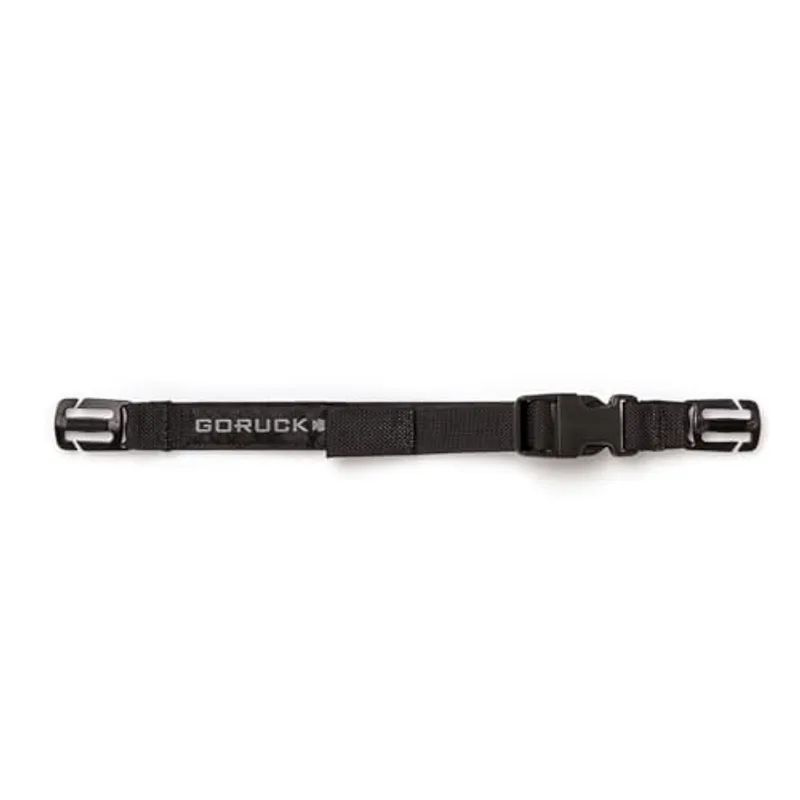
At $15, this is a no-brainer upgrade for any MOLLE-equipped ruck. The wider webbing and reinforced buckle deliver genuine stability improvements durin…
0.11 lbs
Rucking accessories fill the gaps that your pack, plates, and boots can't cover. A solid hip belt redistributes weight off your shoulders. A hydration bladder keeps you drinking without stopping. Reflective gear keeps you visible on pre-dawn road rucks. We test every accessory in context — attached to real packs, used on real rucks — because an accessory that doesn't integrate smoothly with your setup isn't worth carrying. From sternum straps to headlamps, we evaluate fit, function, and whether each product actually makes your ruck better.
How we rank: Accessories are tested for compatibility with popular rucksacks and real-world usability during loaded carries. We evaluate ease of attachment, durability, weight penalty, and how much each accessory actually improves the rucking experience. Rankings combine our hands-on assessments with Amazon buyer ratings.
Beyond your rucksack and boots, the right accessories transform your rucking performance and comfort. Whether you're just starting your rucking journey or you're a seasoned ruck warrior, strategic gea...
Read Buying Guide →At $15, this is a no-brainer upgrade for any MOLLE-equipped ruck. The wider webbing and reinforced buckle deliver genuine stability improvements durin…
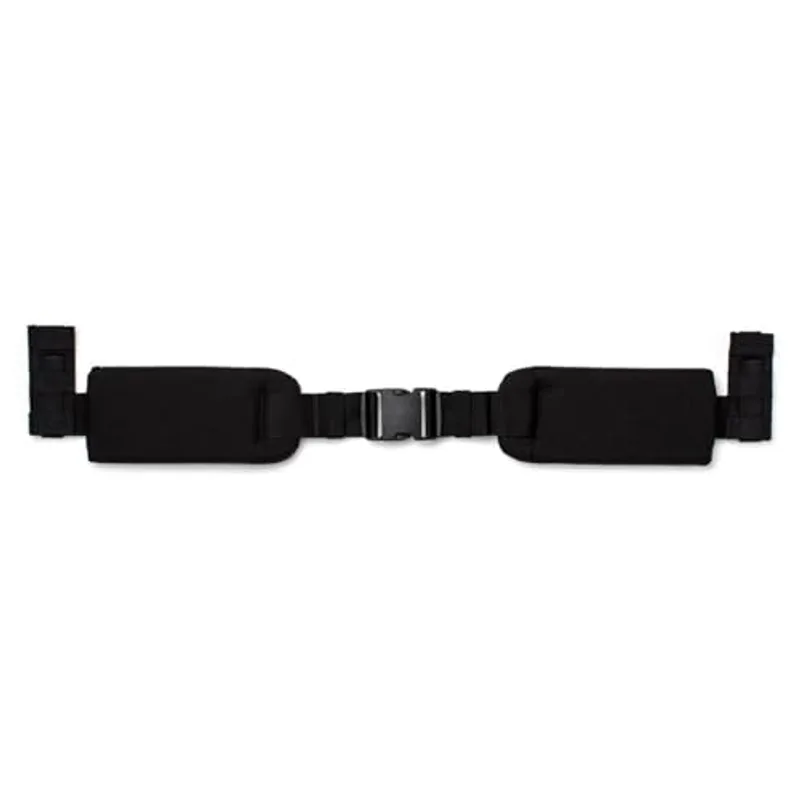
We consider this hip belt essential for heavy ruck loads because it genuinely transfers weight to your hips and prevents the shoulder burn that ends rucks early.

We recommend these as budget-friendly hand protection for casual ruckers who want to avoid blisters without spending serious money on specialized gear.

We picked these gloves because they deliver palm protection and grip for rucking at a price point that makes buying multiple pairs practical.
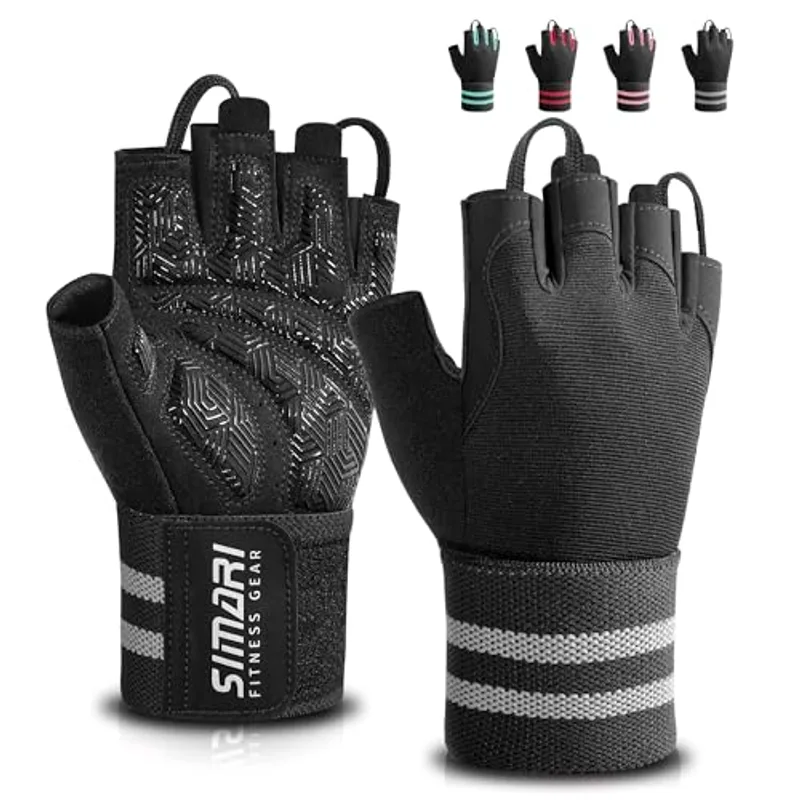
We recommend these gloves because they deliver genuine palm protection and wrist stability at a price point that makes premium features accessible to every rucker.
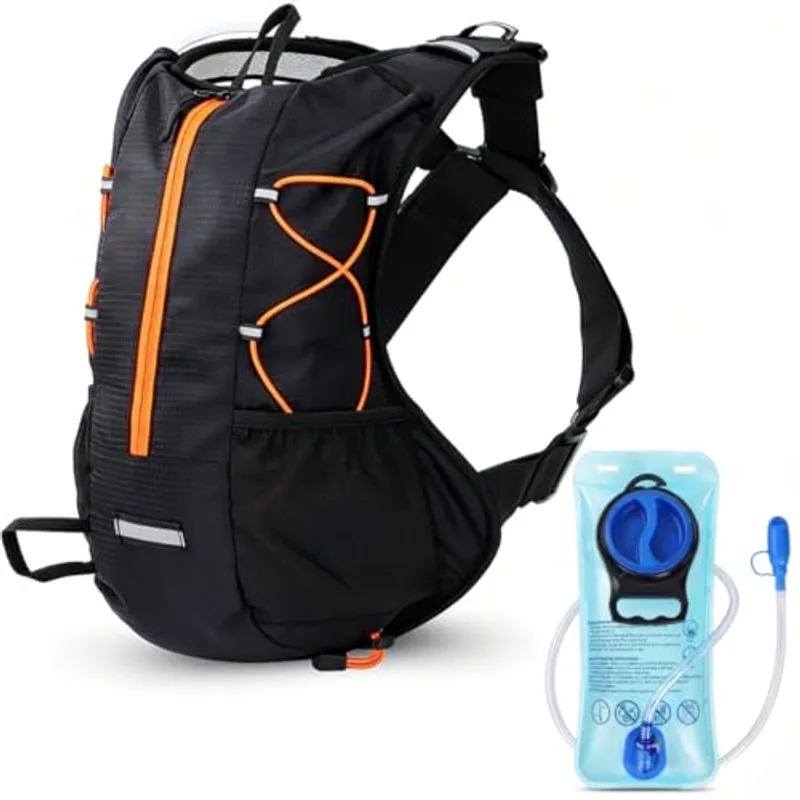
We featured this pack because it delivers functional hydration at an entry-level price point that makes it accessible for newcomers testing rucking before committing to premium gear.
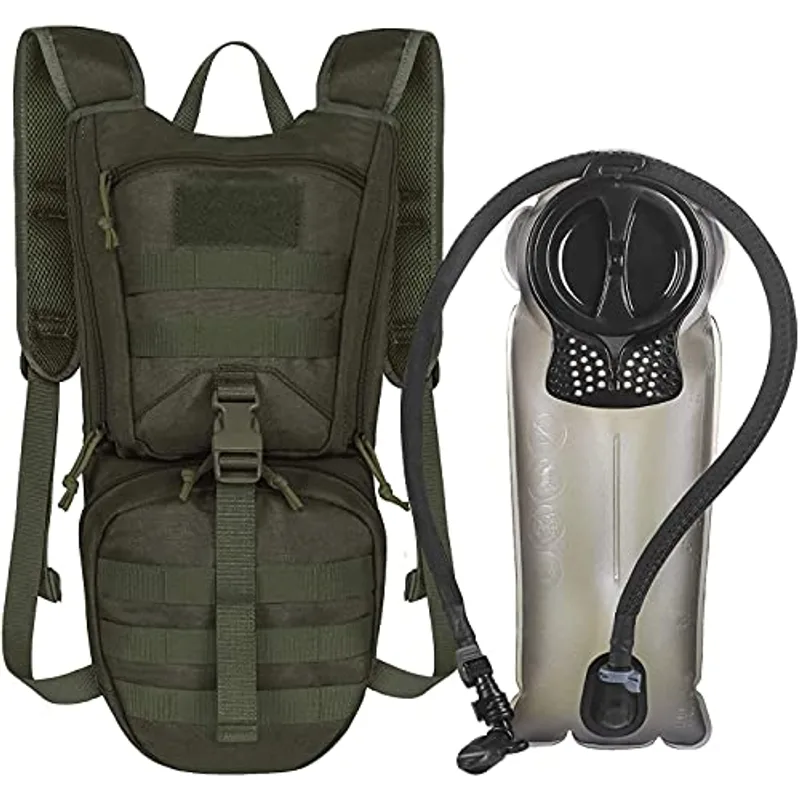
A solid entry-level hydration solution that prioritizes value over refinement. At $31, it's hard to fault the feature set, though durability remains u…
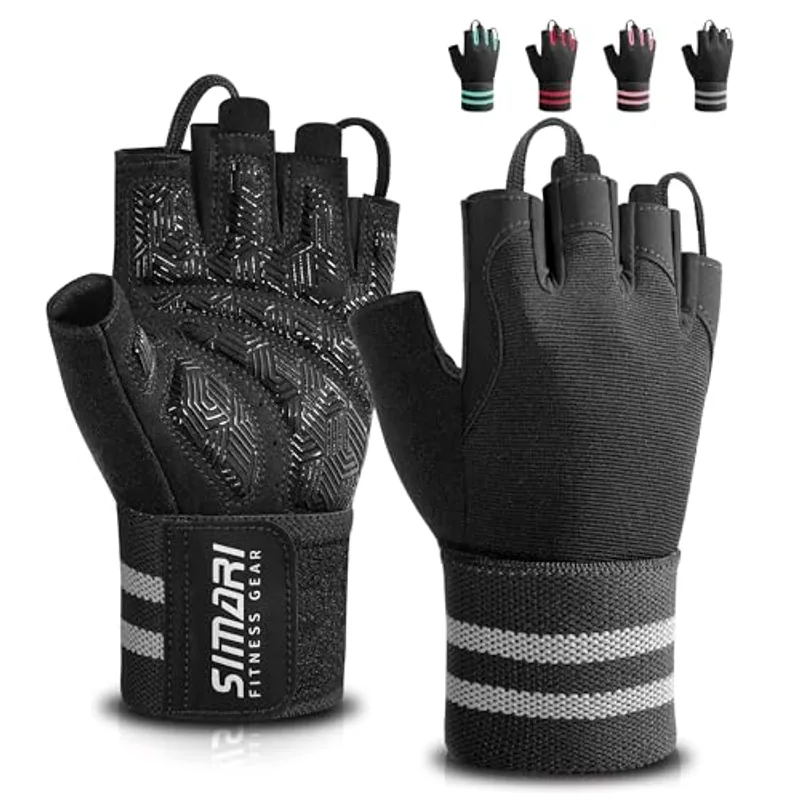
We chose these gloves because they deliver legitimate palm protection and wrist stability at a price point that makes gear accessible to every rucker.
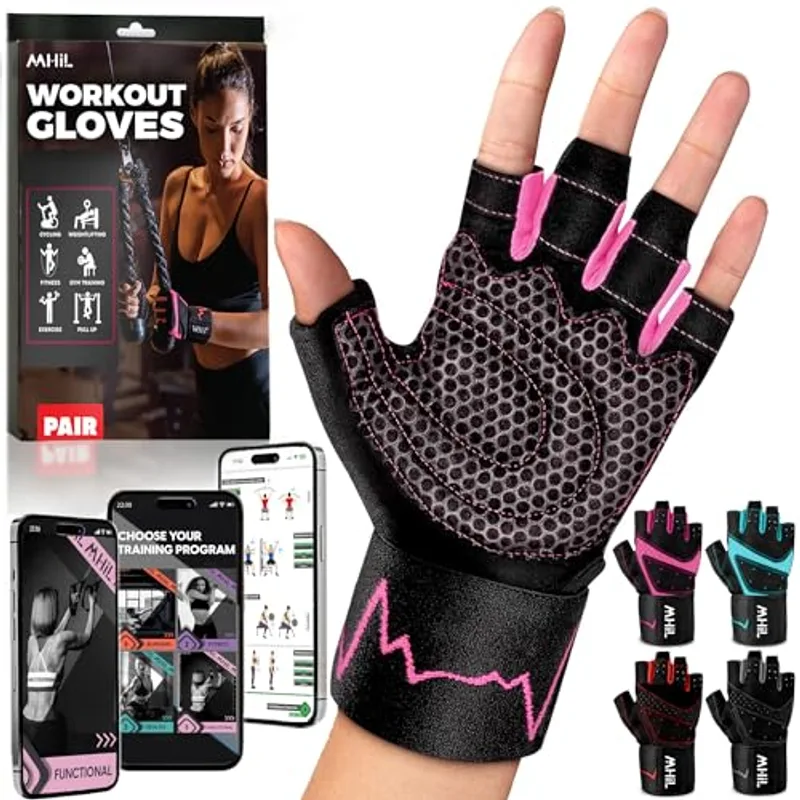
We appreciate budget gloves that don't pretend to be premium gear, and these deliver basic palm protection for casual ruckers at a price that's hard to beat.
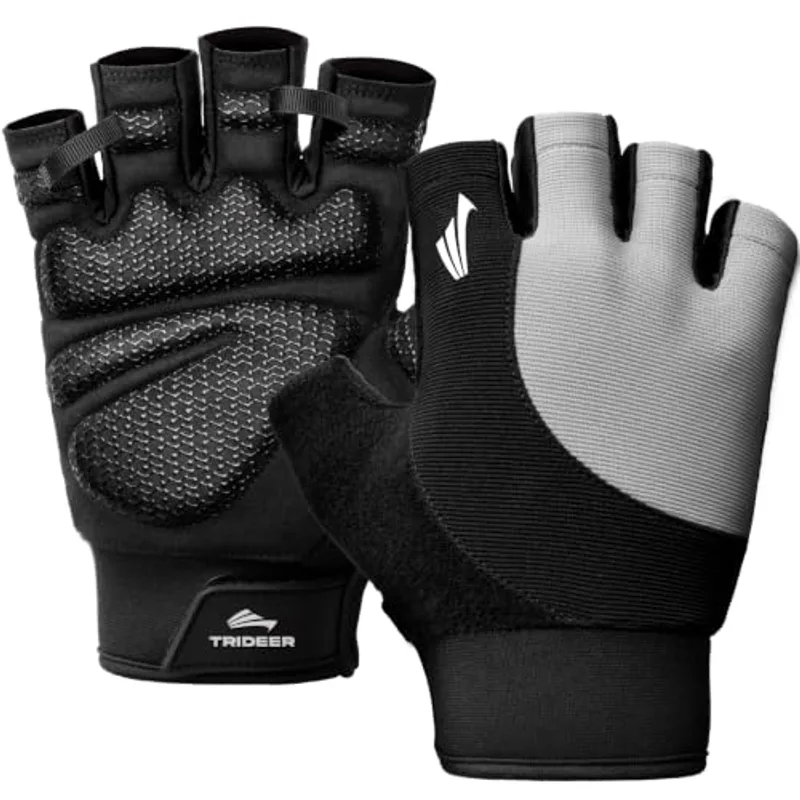
We appreciate how these gloves solve the grip and pressure issues during weighted rucks without the premium price tag that usually comes with specialized gear.
Our accessories buying guide breaks down everything you need to know before making a decision.
Browse Buying Guides →A hip belt becomes increasingly valuable as your load exceeds 25 pounds. It transfers 30 to 50 percent of the weight from your shoulders to your hips, reducing fatigue and improving posture on longer rucks. If you regularly ruck 4+ miles with 25+ pounds, a hip belt is a worthwhile investment. Lighter loads and shorter distances generally do not require one.
A hydration bladder (2 to 3 liters) integrated into your ruck is the most convenient option — it lets you drink without stopping or digging through your pack. Look for bladders with insulated hose clips and a wide-mouth fill port. Water bottles in exterior pockets work for shorter rucks but can shift and create asymmetric loading. For rucks over 60 minutes, hands-free hydration is strongly recommended.
If you ruck on roads or shared paths during low-light conditions — early morning, dusk, or night — reflective gear is essential for safety. Options include reflective vests, clip-on LED lights, and reflective patches that attach to your ruck. Many ruckers use a combination of a rear-facing red light and a reflective vest for maximum visibility.