Fast and Light, But Not Bulletproof
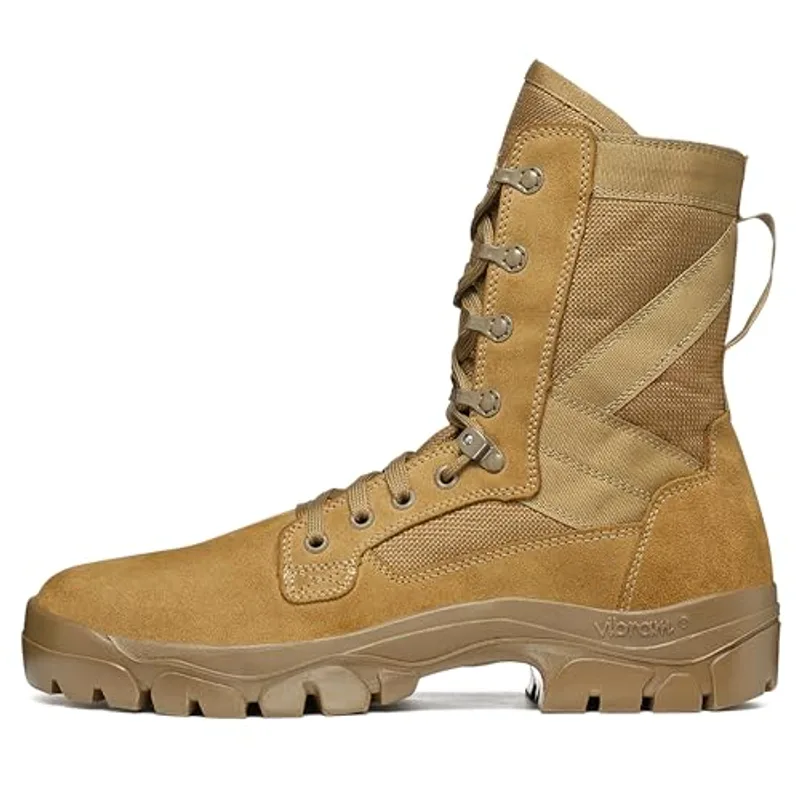
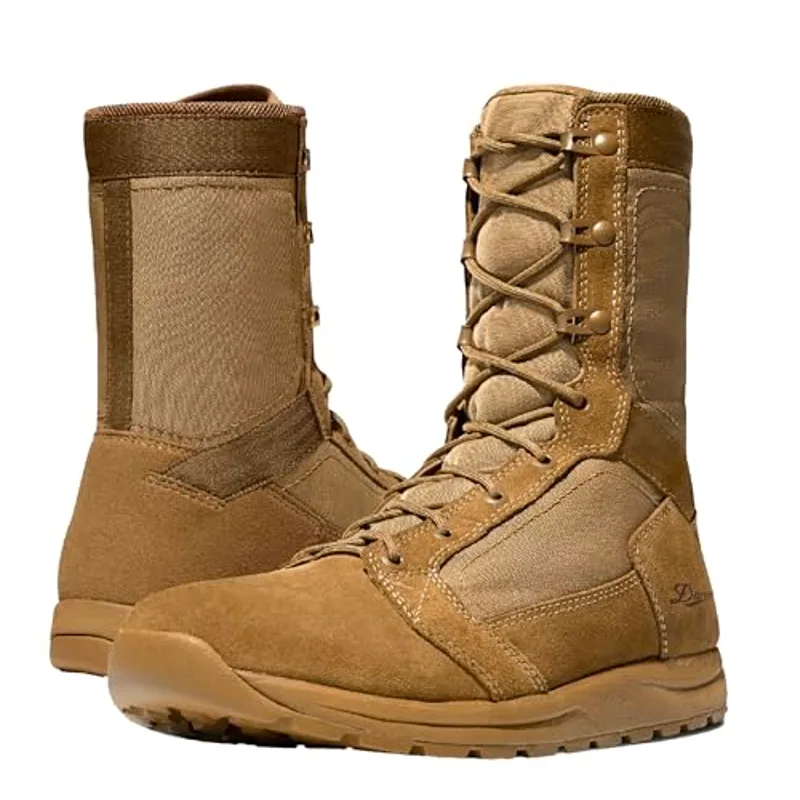
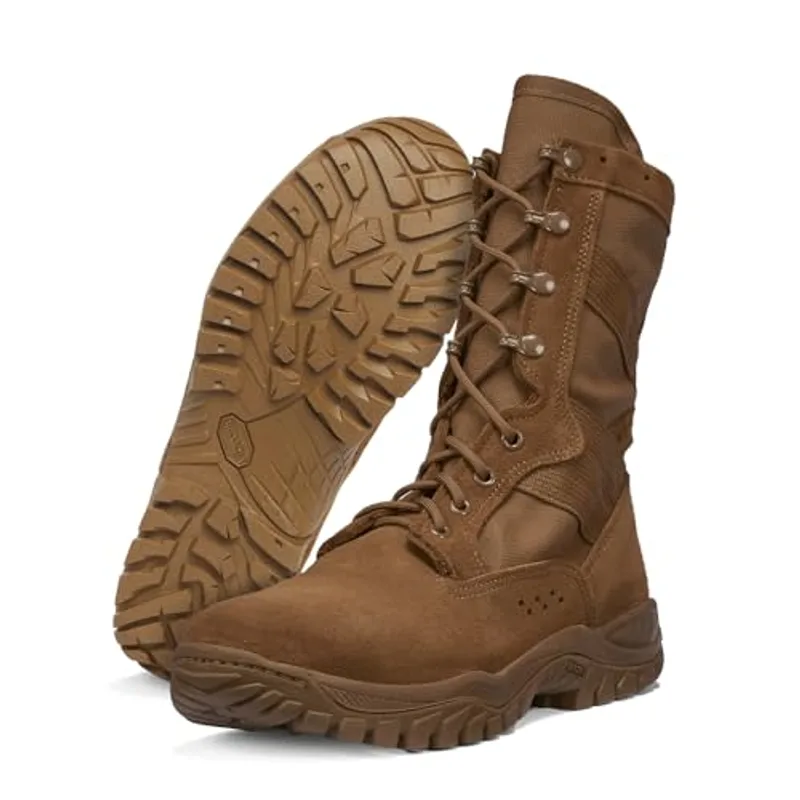
Oakley's Light Assault 2 delivers on its core promise: speed. At 14 ounces per boot, these feel more like trail runners than traditional tactical footwear. The question is whether that weight savings costs you too much in durability and support.

Solid entry-level rucking boot for people prioritizing speed over bombproof construction. The price is right, but expect to replace these sooner than premium options.
Best for: Speed-focused ruckers on maintained trails and moderate loads
Check Price — $155.00Specifications
| Price | $155.00 |
| Weight | 0.9 lbs |
| Dimensions | undefinedH x undefinedW x undefinedL in |
| Material | Cordura, Leather, EVA |
Durability
The leather and Cordura upper combo presents a mixed bag. Cordura handles abrasion well on trails, and the leather panels add structure where it matters. The PU treatment provides decent water resistance for light rain and wet grass, though these aren't waterproof boots.
Our concern centers on longevity. At this weight, something had to give. The EVA midsole will compress faster than denser foam compounds, and the lightweight construction means less material between your foot and whatever you're stepping on. Budget for 300-500 miles of hard use before performance degrades noticeably.
Comfort
Comfort is where the Light Assault 2 earns its keep. The EVA midsole provides surprisingly good cushioning for the weight class, flexing naturally without feeling mushy. Break-in period is minimal—expect full comfort within 20-30 miles.
The 8-inch height offers adequate ankle support without the restrictive feel of bulkier tactical boots. Ventilation is better than expected, though the water-resistant treatment means your feet will run warm in summer. The fit runs true to size with enough toe box room for longer rucks when feet swell.
Features
The speed lacing system works as advertised. You can cinch these down in seconds, and the system holds tension well throughout a ruck. No fumbling with traditional laces in the dark or when your hands are cold.
The slip-resistant outsole delivers reliable traction on varied terrain. We tested these on wet concrete, loose gravel, and muddy trails without any sketchy moments. The tread pattern is aggressive enough for technical terrain but won't feel overkill on pavement.
The lightweight design is the defining feature. You'll notice the difference immediately if you're coming from traditional tactical boots. That said, there's no insulation and minimal ankle armor.
Value
At $155, these sit in the sweet spot between budget tactical boots and premium rucking footwear. You're getting legitimate Oakley engineering and materials, not Chinese knockoffs with a slapped-on brand name.
The value proposition depends on your use case. For newer ruckers doing 10-20 miles per week on maintained trails, these offer excellent bang for buck. For daily wearers or people regularly carrying 40+ pounds over rough terrain, invest more in boots that'll last.
Consider these a strategic purchase: great performance per dollar in the short to medium term, but you'll replace them sooner than boots twice the price.
Pros & Cons
Pros
- ✓ Genuinely lightweight at 14 oz without feeling flimsy
- ✓ Speed lacing system saves time and holds tension
- ✓ Comfortable out of the box with minimal break-in
- ✓ Solid traction across wet and dry surfaces
- ✓ Fair price for the feature set
- ✓ Breathes better than fully waterproof boots
Cons
- ✗ EVA midsole will compress faster than premium foam
- ✗ Water-resistant but not waterproof
- ✗ Lighter construction means shorter lifespan
- ✗ No insulation for cold weather rucking
Frequently Asked Questions
How do these compare to actual military-issue boots?
They're significantly lighter and more comfortable than standard issue, but less durable. Think of these as performance-oriented civilian tactical boots rather than field-deployable military gear.
Can I ruck in these year-round?
Spring through fall, yes. Winter depends on your climate. There's no insulation, so in freezing temps you'll need thick socks or consider insulated boots.
What's the realistic lifespan?
Expect 300-500 miles of solid performance with regular rucking. Trail runners might get less; casual weekend ruckers could stretch to 800+ miles before the midsole breaks down.
Do I need to waterproof these?
The PU-treated Cordura handles light moisture fine. For frequent wet conditions, add aftermarket waterproofing treatment, but understand you'll sacrifice breathability.
How's the sizing?
True to size with a medium width fit. If you have wide feet or wear thick socks, consider going up half a size.