1
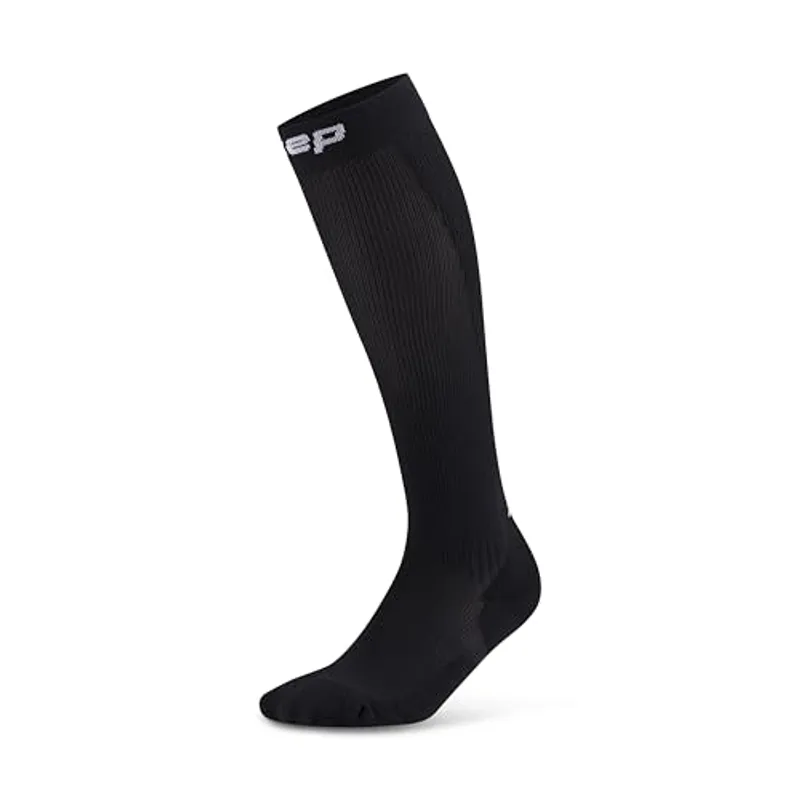
We feature these socks because their 20-30mmHg graduated compression delivers measurable recovery benefits without sacrificing all-day comfort during heavy rucks.
What you do after the ruck determines whether you are ready for the next one. Loaded carries beat up your calves, feet, IT bands, and lower back, and skipping recovery is how shin splints and plantar fasciitis start. We test recovery gear — foam rollers, massage guns, compression sleeves, and socks — in the window that matters most: immediately after real rucks. We evaluate how effectively each tool relieves the specific soreness heavy carries create, along with build quality, ease of use, and whether it is something you will actually reach for instead of leaving in a closet.
How we rank: Recovery tools are used after loaded rucks over multiple weeks and evaluated for how well they target ruck-specific soreness in the calves, feet, and lower back. We assess build quality, battery life (for massage guns), compression accuracy, and everyday usability. Ratings blend our hands-on testing with verified Amazon buyer feedback, updated weekly.
Recovery isn't optional for ruckers—it's how you stay in the fight. Whether you're logging miles with a weighted pack weekly or training for a GORUCK event, your muscles, fascia, and circulation need ...
Read Buying Guide →We feature these socks because their 20-30mmHg graduated compression delivers measurable recovery benefits without sacrificing all-day comfort during heavy rucks.
![RENPHO Active Thermacool 2 Massage Gun with Heat and Cold, [2026 Upgraded] Percussion Deep Tissue Handheld Neck Massager, FSA Approved, Muscle Masajeador for Men Women Athletes HSA](/images/products/renpho-active-thermacool-2-massage-gun-800.webp)
We selected this massage gun because it's the first under $90 that delivers both heat and cold therapy without compromise, and that FSA eligibility matters for serious ruckers watching their budgets.
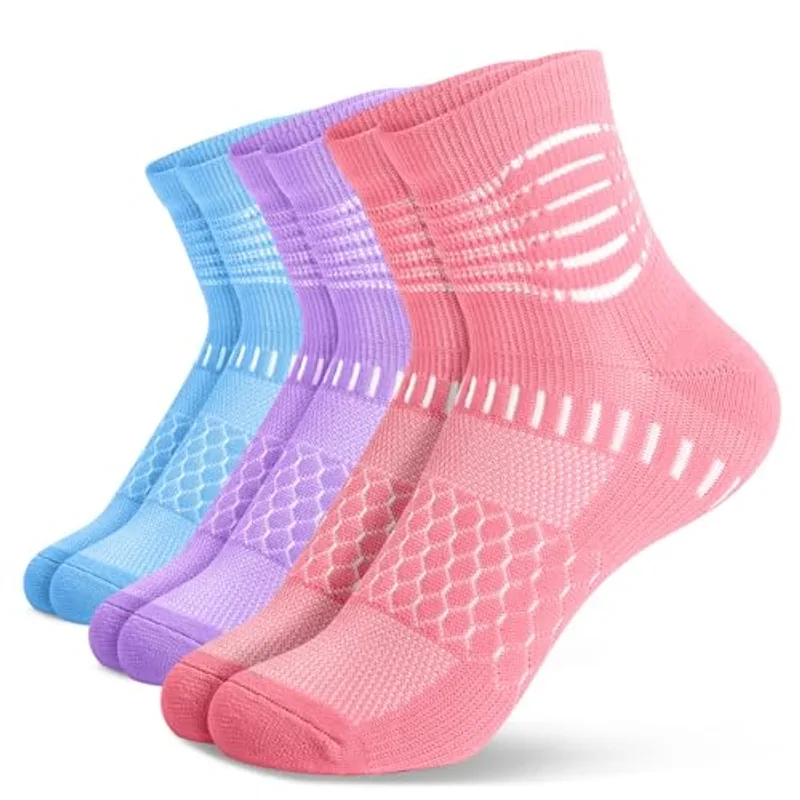
We recommend these budget compression socks for ruckers who need affordable recovery support without sacrificing moisture management or ankle stability during training blocks.
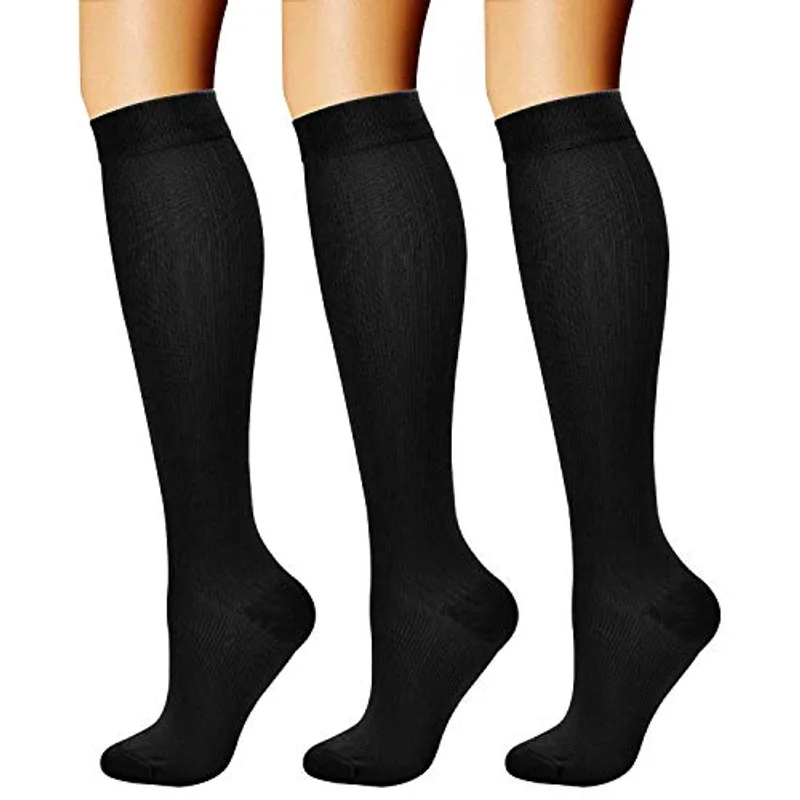
We added these to our recovery rotation because at $4 per pair, they deliver medical-grade compression without the premium price tag.
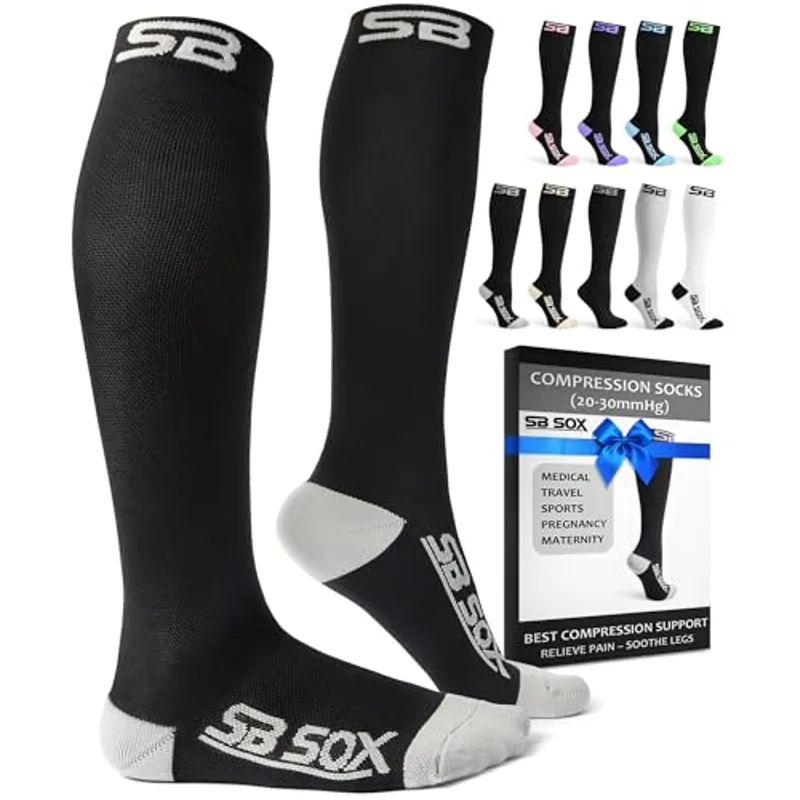
We chose these because they deliver medical-grade compression at a price that makes buying multiple pairs practical for daily rucking recovery.
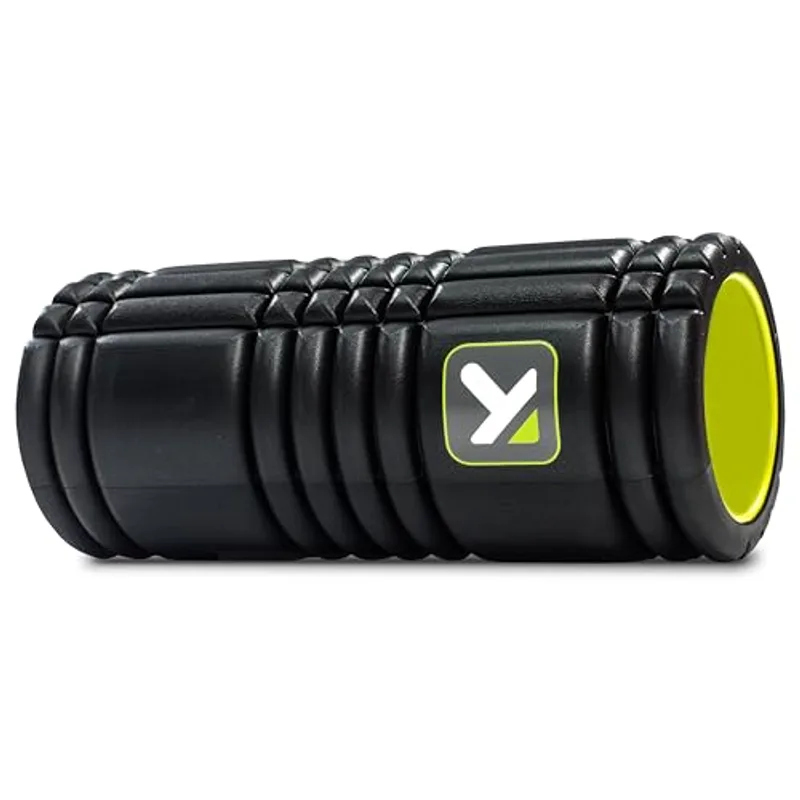
We trust this roller because it delivers massage-therapist-level muscle release after heavy ruck sessions without losing its shape over months of punishment.
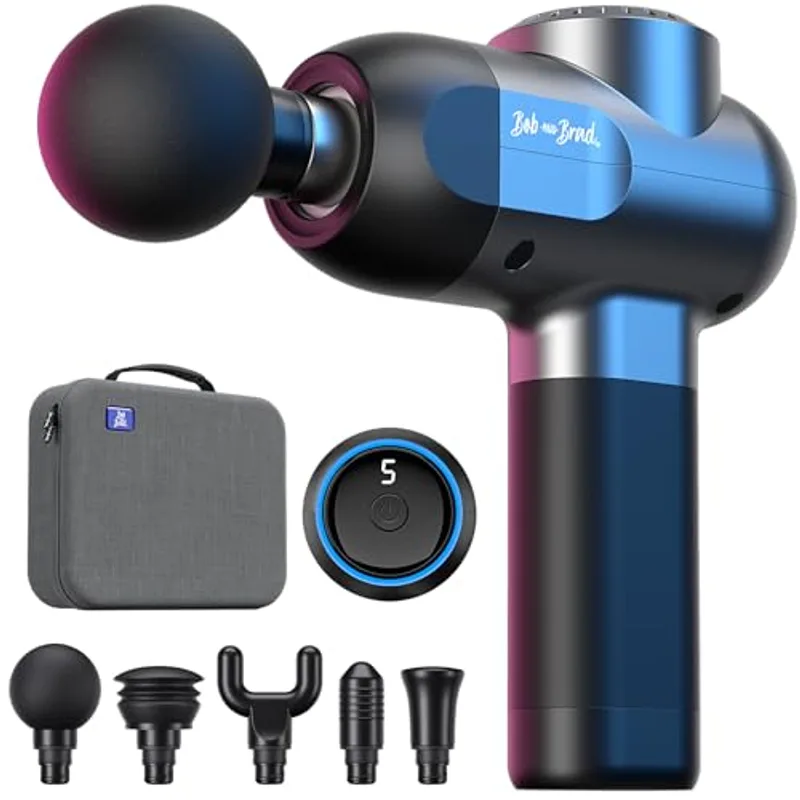
We value this massage gun because it delivers physical therapist-designed recovery protocols at a price point that makes daily post-ruck sessions actually affordable.
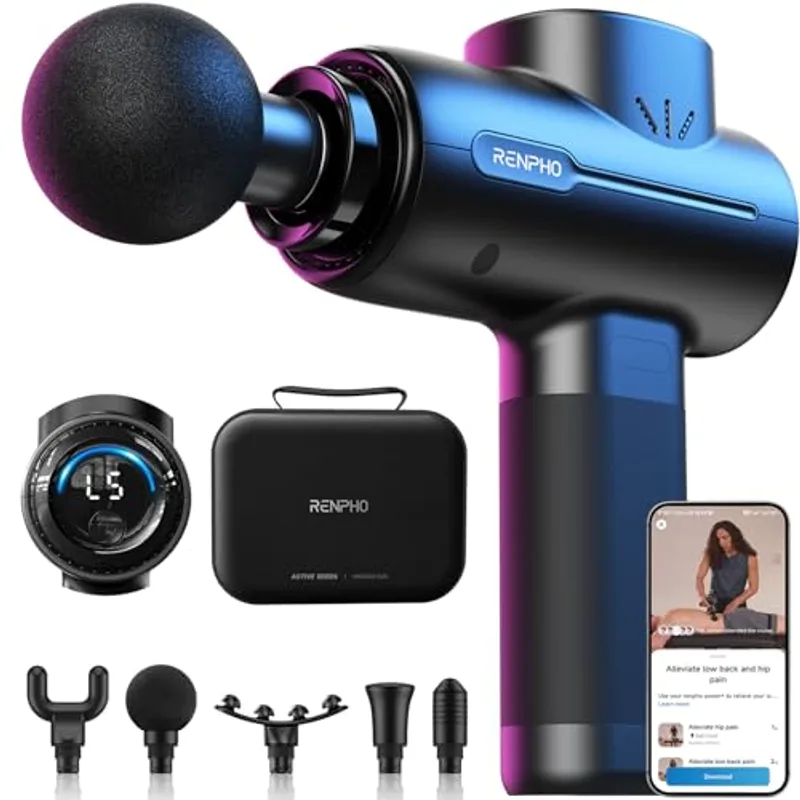
We rely on this massage gun because it delivers the deep tissue relief ruckers need at a price that doesn't require justification to anyone.
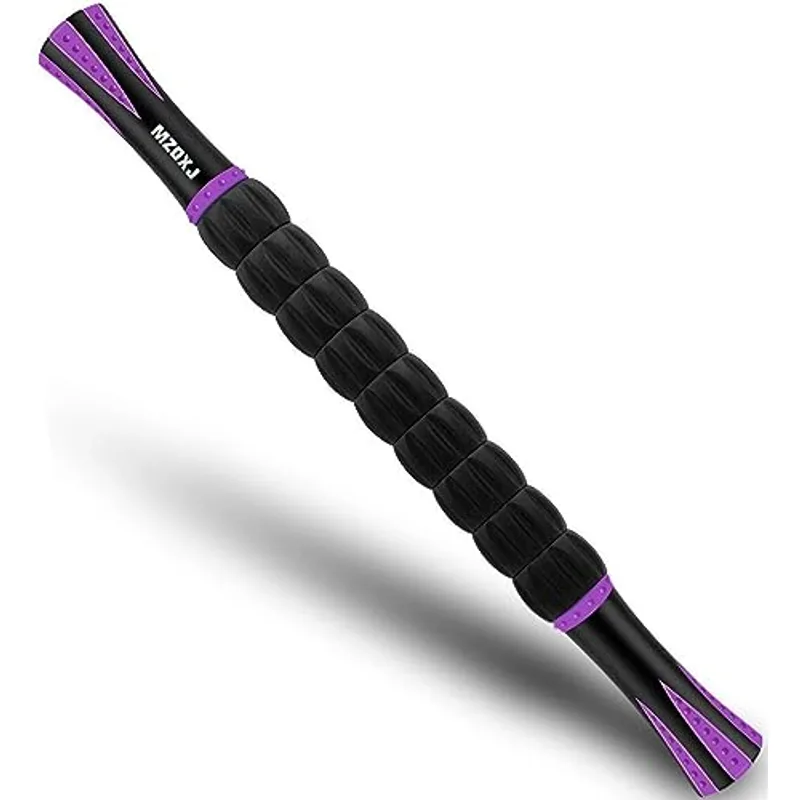
We've tested countless recovery tools, and this 18-inch roller delivers surprisingly effective myofascial release at a price point that makes high-quality recovery accessible to every rucker.
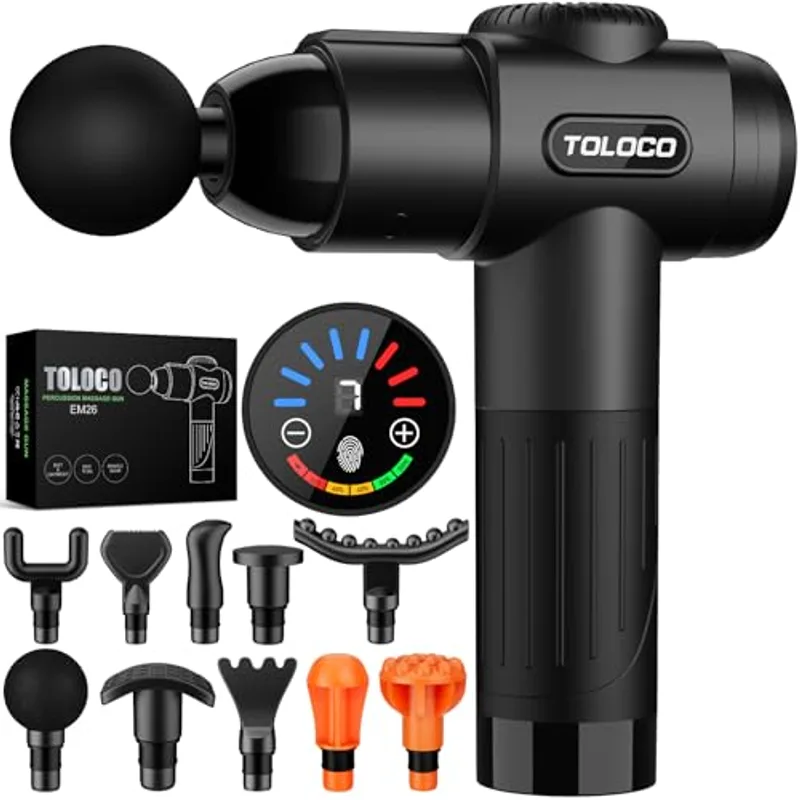
We recommend this budget massage gun because it delivers genuine recovery value at a price point that makes daily post-ruck sessions financially realistic for most people.
Our recovery buying guide breaks down everything you need to know before making a decision.
Browse Buying Guides →Recovery is critical — rucking under load puts significant stress on your joints, muscles, and connective tissue. Without proper recovery, you risk overuse injuries like shin splints, plantar fasciitis, and knee pain. At minimum, stretch after every ruck and take at least one rest day between heavy sessions. Active recovery tools like foam rollers and massage guns can accelerate muscle repair and reduce soreness.
Both, but the purpose differs. Pre-ruck foam rolling should be brief (30 to 60 seconds per area) to increase blood flow and range of motion in your calves, quads, and hip flexors. Post-ruck rolling should be more thorough (60 to 90 seconds per area) targeting sore spots to break up muscle adhesions and speed recovery. Focus on calves, IT band, quads, glutes, and upper back.
Compression socks provide graduated pressure that promotes blood flow and reduces swelling in the lower legs. Wearing them during rucks can reduce calf fatigue, and wearing them for 2 to 4 hours post-ruck may speed recovery. They are especially beneficial for ruckers prone to shin splints or calf tightness. Look for 15 to 20 mmHg compression for during-activity use and 20 to 30 mmHg for recovery.