Convenient Slip-On Entry Meets Zero-Drop Design
The HF Stride promises hands-free entry and barefoot benefits at a budget price. We tested them on pavement rucks and neighborhood miles to see if convenience compromises performance.
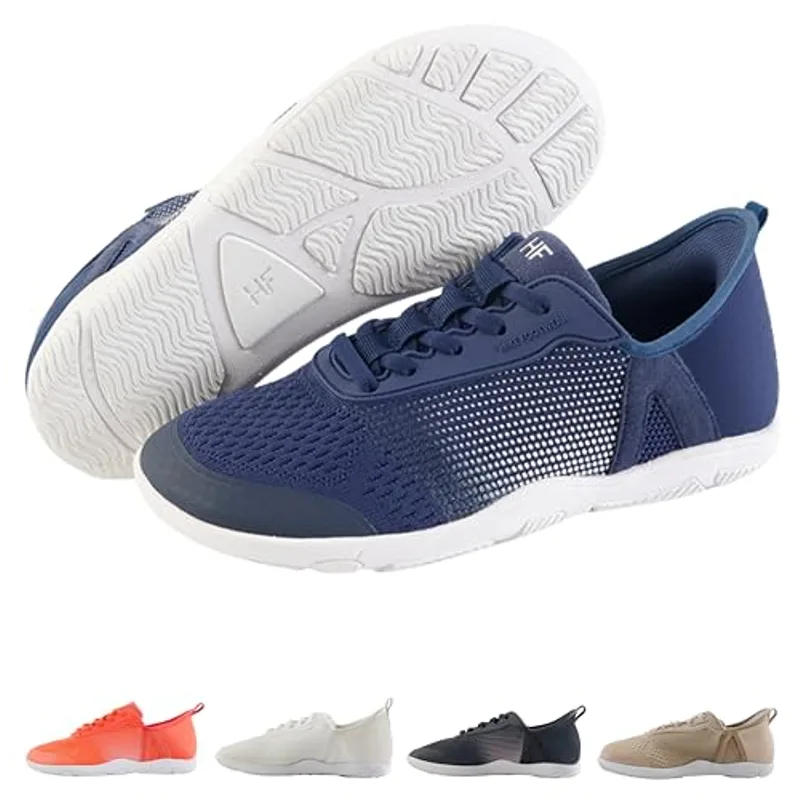
Solid entry-level barefoot option with genuinely useful slip-on design. The thin sole and zero-drop platform work, but durability questions remain at this price point.
Best for: Casual ruckers testing barefoot mechanics on budget
Check Price — $69.95Specifications
| Price | $69.95 |
Durability
At $69.95, we're realistic about longevity expectations. The materials feel adequate for casual use but lack the reinforcement we'd want for serious mileage. The heel cup that enables the slip-on feature shows no immediate wear issues in our testing, but the thin upper material raises concerns for long-term abuse.
The sole construction appears basic—functional for light duty but not overbuilt. We'd reserve these for shorter rucks on clean surfaces rather than daily training miles. For the price, you're getting what you pay for in terms of materials and construction quality.
Comfort
The zero-drop sole delivers on its biomechanical promise. Your heel and forefoot sit level, which forces better posture and engages your feet properly. The transition feels natural if you've worn minimalist shoes before, jarring if you haven't.
The structured heel cup runs snug—size up as recommended. We found the fit secure without hotspots once properly sized. Breathability is adequate for moderate temps but nothing exceptional. The thin sole means ground feel is significant, which barefoot enthusiasts will appreciate and newcomers will find uncomfortable initially.
Features
The hands-free entry actually works. You step in, the heel cup flexes, then holds. No bending, no fumbling with laces before dawn rucks. This feature alone justifies consideration for anyone with mobility limitations or who just hates shoe logistics.
The lightweight construction keeps foot fatigue minimal on shorter distances. The wide toe box allows natural splay. However, features end there—no advanced materials, no drainage systems, no reflective elements. This is barefoot minimalism taken literally in both design and feature set.
Value
For seventy bucks, you're getting functional barefoot geometry and a genuinely useful slip-on system. That's competitive for the minimalist category, where prices often climb past $100 for brand names.
The value proposition holds if you need casual rucking footwear or want to test barefoot concepts without major investment. It fails if you need a primary training shoe that'll handle serious weekly mileage. Know what you're buying—a convenient, budget-friendly introduction to barefoot mechanics, not a bombproof endurance tool.
Pros & Cons
Pros
- ✓ Slip-on design actually works and saves time
- ✓ Zero-drop sole promotes natural foot mechanics
- ✓ Aggressive price point for barefoot category
- ✓ Lightweight reduces foot fatigue
- ✓ Wide toe box allows proper toe splay
Cons
- ✗ Construction quality questions for heavy use
- ✗ Thin materials may not handle rugged terrain
- ✗ Limited features beyond basic barefoot design
- ✗ Requires sizing up for proper fit
Frequently Asked Questions
Do these work for actual rucking or just walking?
They handle light rucking on paved surfaces fine. The zero-drop design and thin sole work biomechanically, but we'd limit weight to 20-30 pounds and stick to maintained trails or pavement. Not built for heavy loads or technical terrain.
How does sizing work with the slip-on design?
Size up one full size from your normal shoe size. The structured heel cup fits snug by design to hold your foot securely during the slip-on motion. Too small and you'll fight to get them on; too large and they'll slip during movement.
Can beginners transition straight to these from regular shoes?
Possible but not ideal. The thin sole and zero-drop geometry demand adaptation time. Start with short walks, not loaded rucks. Your calves and arches need weeks to adjust if you're coming from cushioned, elevated-heel shoes.
How do these compare to major barefoot brands?
You lose build quality and advanced materials compared to Xero or Vivobarefoot, but you save $50-80. The core barefoot geometry is similar. Think of these as testing the concept before investing in premium options.