1

We chose the PACE 3 because it delivers military-grade GPS accuracy and 38-hour battery life at half the price of comparable Garmin models.
0.22 lbsNylon, EVA
A GPS watch turns a ruck from a guess into a measured session — distance, pace, elevation, heart rate, and training load, all on your wrist. But rucking is hard on a watch: sweat, repeated impact, satellite signals obstructed by tree cover and buildings, and long time-on-feet that drains batteries. We test watches on real rucks across open road, trail, and urban terrain, checking GPS accuracy against known-distance routes, battery drain in full-GPS mode, heart-rate reliability under a shifting shoulder strap, and how readable the screen stays when you are loaded and moving.
How we rank: Each watch is worn on measured routes to verify GPS accuracy, run down in full-GPS mode to confirm real-world battery life, and cross-checked against a chest strap for heart-rate reliability. We assess durability, screen readability, and how easily you can start and read an activity mid-ruck. Scores combine our field testing with aggregated Amazon buyer ratings.
GPS watches and fitness trackers have become essential gear for serious ruckers. Unlike standard fitness trackers designed for running or cycling, rucking-specific watches need robust GPS tracking, ex...
Read Buying Guide →We chose the PACE 3 because it delivers military-grade GPS accuracy and 38-hour battery life at half the price of comparable Garmin models.
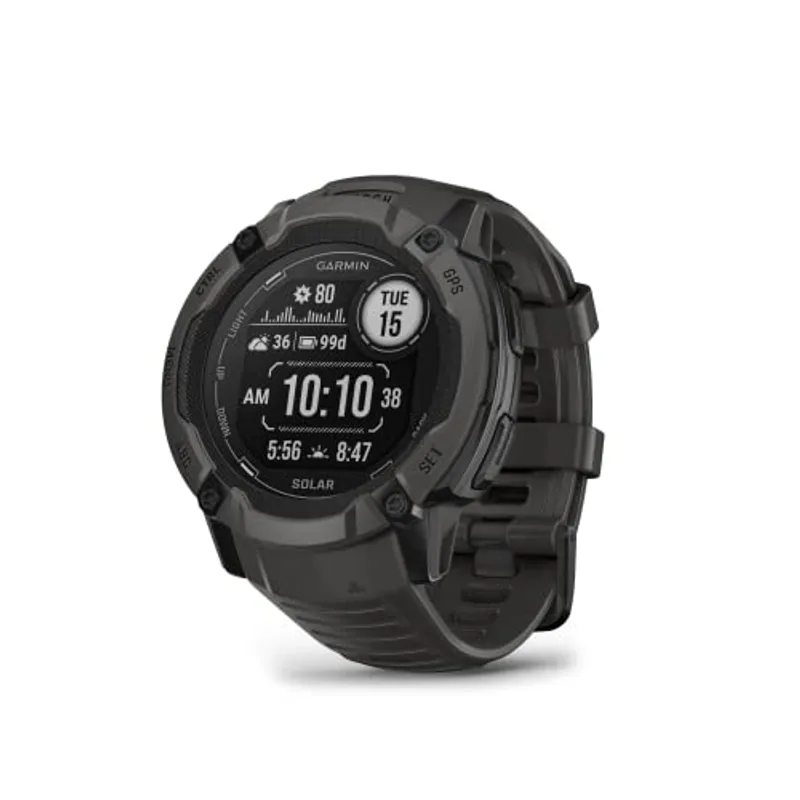
We chose this watch because serious ruckers need unlimited battery life and genuine durability, not another fragile fitness tracker that dies mid-event.

We recommend this watch because it delivers flagship GPS accuracy and 20-day battery life at a price point that undercuts competitors by $200-300.
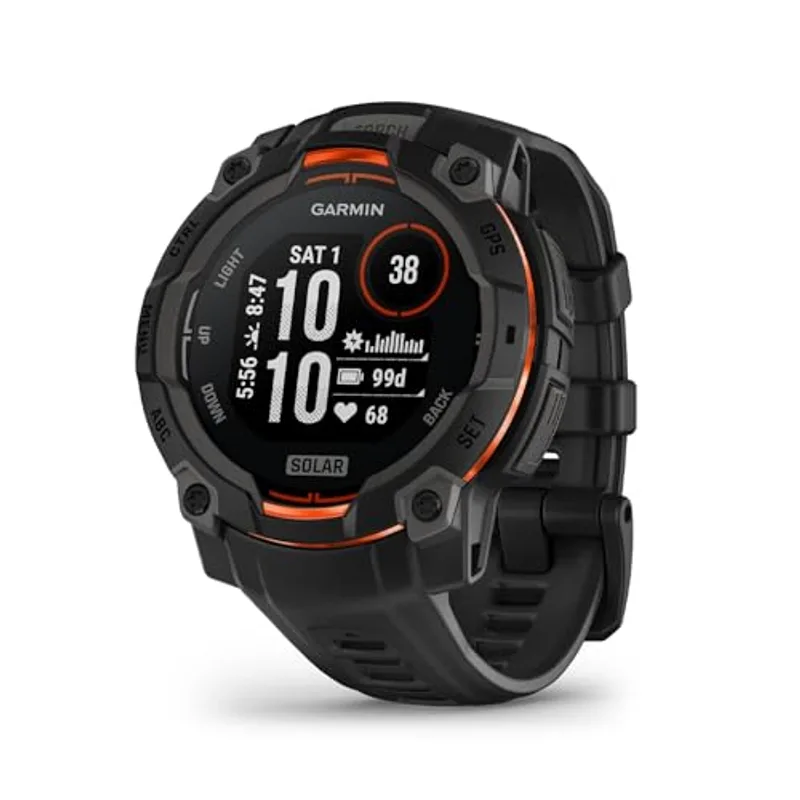
We selected this watch because it delivers unlimited battery life through solar charging while surviving conditions that destroy conventional smartwatches.

We trust this watch for extended missions because solar charging and tactical features deliver unlimited runtime when standard GPS watches fail.
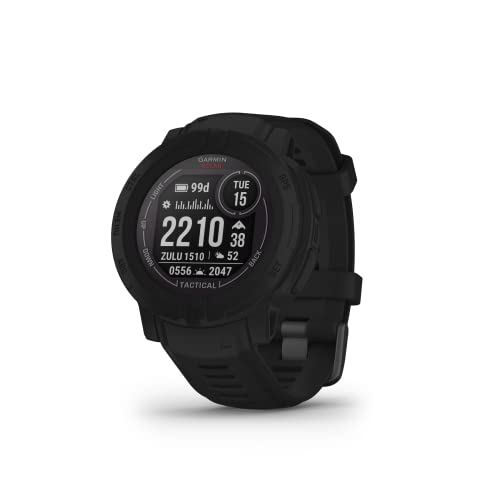
We've seen tactical watches fail under ruck stress, but this solar-powered beast keeps tracking when others die, making it our go-to for multi-day operations.

We trust this watch for serious rucking operations because it combines tactical-grade durability with solar charging that actually keeps it running indefinitely in field conditions.
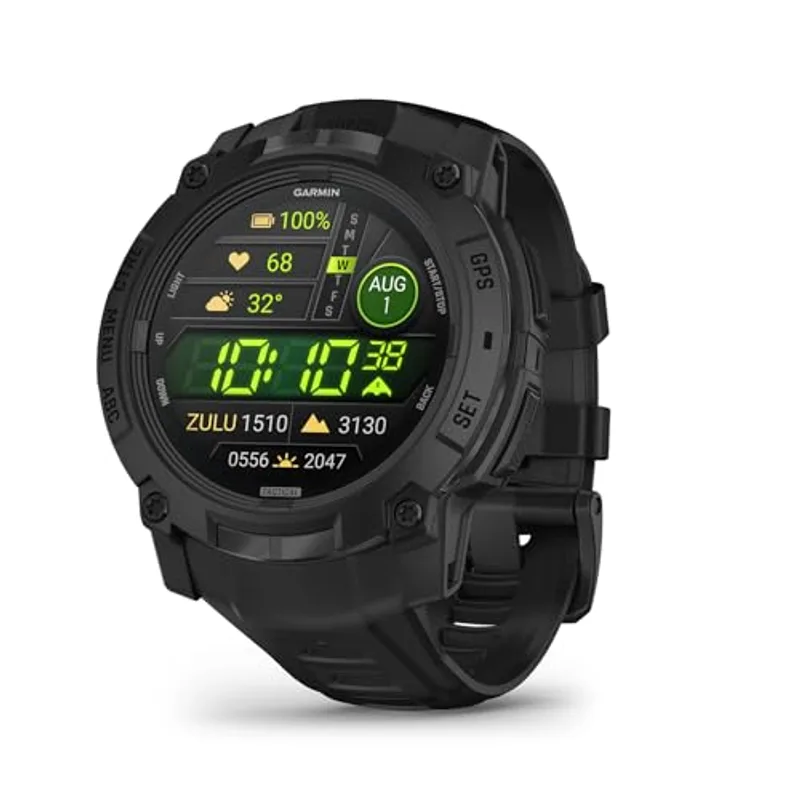
We've tested countless GPS watches for rucking, and this tactical edition delivers military-grade durability with rucking-specific features no other smartwatch offers.
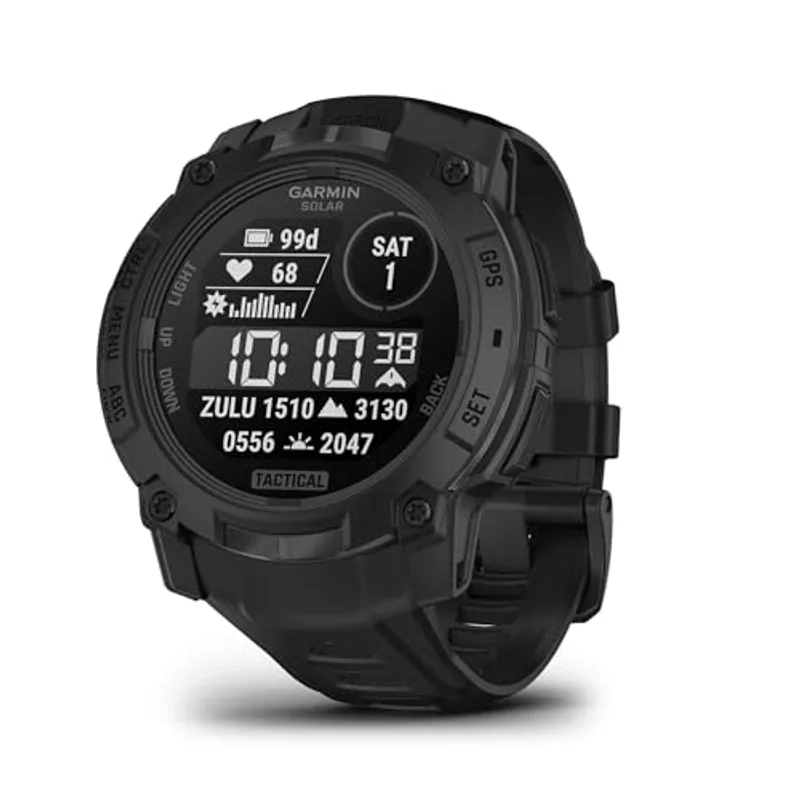
We trust this watch on tactical rucks because the solar charging eliminates battery anxiety and the jumpmaster features prove Garmin understands the mission requirements that matter.
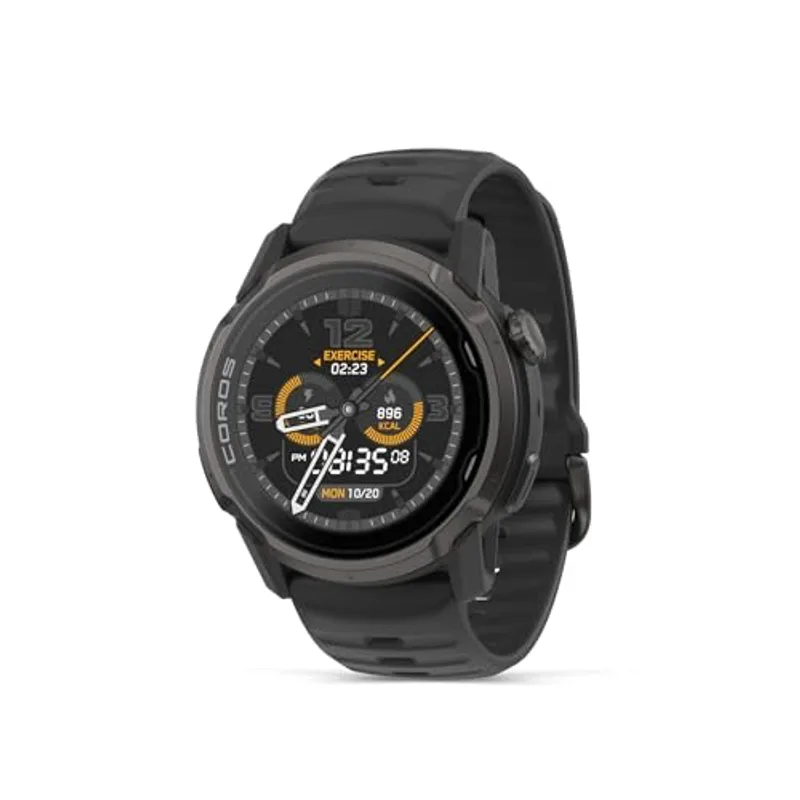
We picked this watch because its 65-hour GPS battery and titanium build handle hundred-mile mountain missions where other watches quit halfway through.
Our gps watches buying guide breaks down everything you need to know before making a decision.
Browse Buying Guides →A GPS watch is not required but adds significant value for tracking distance, pace, elevation, and heart rate during rucks. It helps you measure progress, set pace targets, and monitor training load over time. If you ruck three or more times per week or train for events, a GPS watch is a worthwhile investment. Casual ruckers can get by with a phone app.
Prioritize accurate GPS tracking, long battery life (12+ hours in GPS mode for event ruckers), a barometric altimeter for elevation data, and wrist-based heart rate monitoring. A rucking or hiking activity mode is ideal. Bonus features include navigation and breadcrumb trails, training load metrics, and durability ratings (MIL-STD-810). Touchscreen versus button controls come down to personal preference.
Modern GPS watches from Garmin, COROS, and Suunto are accurate to within 1 to 3 percent on open terrain. Accuracy drops in dense tree cover, urban canyons, and deep valleys where satellite signals are obstructed. Multi-band GPS (available on newer models) significantly improves accuracy in challenging environments. For best results, start the activity outdoors and give the watch 10 to 15 seconds to acquire satellites before moving.