Budget Trail Shoes That Handle Light Rucking
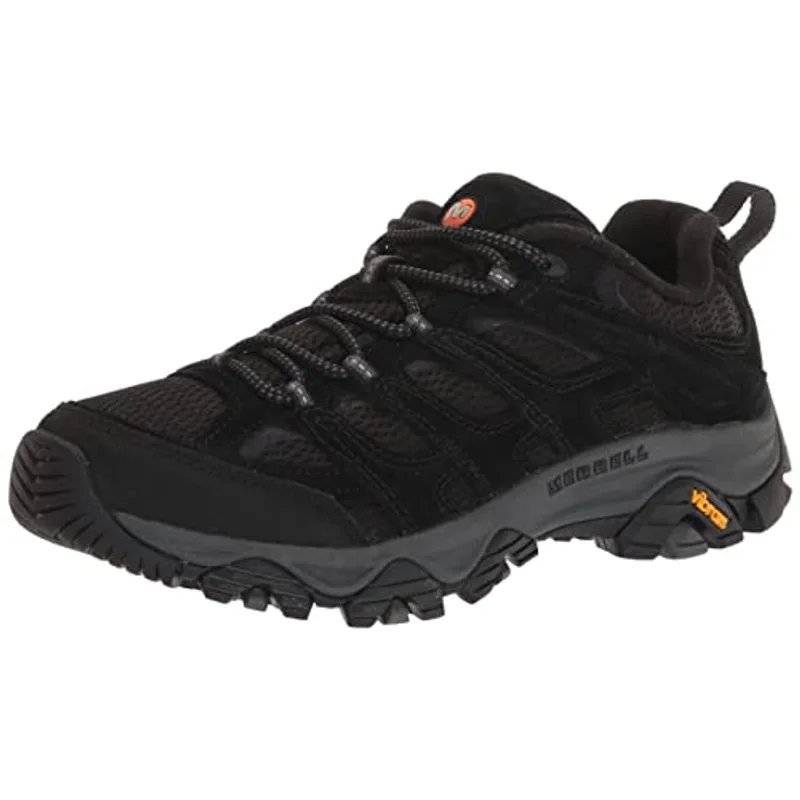
The Kricely trail runners deliver surprising capability for under $50. They're not purpose-built for weighted training, but they'll handle weekend ruck sessions without falling apart immediately. Think of them as a test platform before investing in serious rucking footwear.
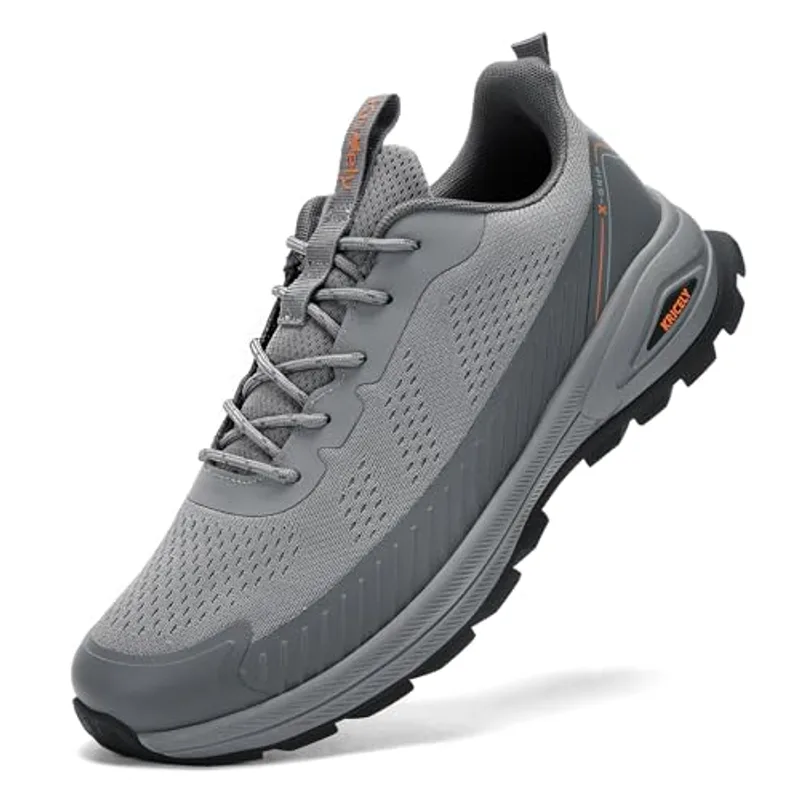
Competent budget trail shoes that survive occasional rucking. The grip and breathability work for light loads, but lack the durability and support serious ruckers demand for regular training.
Best for: Budget-conscious beginners exploring rucking with light loads
Check Price — $45.99Specifications
| Price | $45.99 |
| Material | EVA, TPU, Mesh |
Durability
At this price point, durability expectations need calibration. The EVA+RB+TPU outsole construction shows reasonable traction patterns, but the materials feel entry-level. The fly-knit mesh upper breathes well yet telegraphs its thin construction immediately.
We'd estimate 150-200 miles of mixed use before significant degradation. The stitching around high-stress zones looks adequate but not reinforced. For occasional rucking with 20-30 pound loads, they'll survive. Daily training with heavier weight will expose their limitations quickly. The lightweight construction that makes them comfortable also limits longevity.
Comfort
The comfort profile surprises for budget footwear. The EVA midsole with high-elasticity sponge provides legitimate cushioning through the first dozen miles. Your feet won't feel punished on pavement or moderate trails. The breathable mesh upper keeps temperatures manageable during spring and summer sessions.
However, the support structure lacks definition. The heel counter feels soft, and lateral stability diminishes with pack weight above 30 pounds. The cushioning system works for running but compresses noticeably under rucking loads. Expect some fatigue in your ankles during longer sessions as the support degrades throughout the mile count.
Features
The feature set targets general athletic use rather than weighted training. The traction pattern handles dry trails and urban environments adequately but lacks aggressive lugs for mud or technical terrain. The lightweight fly-knit construction sheds weight but sacrifices protection from trail debris.
The breathable mesh upper excels at moisture management but offers minimal abrasion resistance. No waterproofing exists, so wet conditions mean wet feet immediately. The lacing system uses standard flat laces that loosen during intense activity. For casual rucking in controlled conditions, these features suffice. For variable terrain and weather, the limitations become apparent quickly.
Value
At $46, the value equation works for specific use cases. If you're exploring rucking before committing financially, these provide adequate capability without major investment. They'll handle introductory training loads and give you data about what features matter most to your rucking style.
The cost per mile won't compete with dedicated rucking footwear, but the low entry price makes that acceptable for experimentation. Compare this to $120-180 options that deliver triple the durability and superior support. For veterans who ruck multiple times weekly, these represent false economy. For newcomers testing the activity, they're a reasonable starting point that won't devastate your budget if rucking doesn't stick.
Pros & Cons
Pros
- ✓ Under $50 entry price makes rucking exploration affordable
- ✓ Lightweight design reduces foot fatigue during shorter sessions
- ✓ Breathable mesh keeps feet cool in warm conditions
- ✓ Adequate traction for urban rucking and maintained trails
- ✓ Comfortable cushioning for loads under 30 pounds
Cons
- ✗ Durability won't survive daily rucking beyond a few months
- ✗ Limited lateral support under weighted loads
- ✗ No weather resistance or reinforced protection
- ✗ Thin construction offers minimal trail debris defense
Frequently Asked Questions
Can these handle regular rucking training?
They'll manage occasional sessions with 20-30 pound loads, but daily training will exceed their durability within a few months. Consider them testing footwear rather than long-term training gear.
How do these compare to dedicated rucking boots?
They lack the ankle support, reinforced construction, and durability of purpose-built rucking footwear. The lightweight design and cushioning work for running but compress significantly under weighted loads.
Are these waterproof?
No waterproofing exists. The breathable mesh prioritizes ventilation over weather protection, so wet conditions mean wet feet immediately.
What's the realistic lifespan for rucking use?
Expect 150-200 miles of mixed use before significant degradation. Primarily urban rucking on pavement extends this somewhat, while trail use and heavier loads reduce it.