Trail Cushioning That Actually Handles Weight
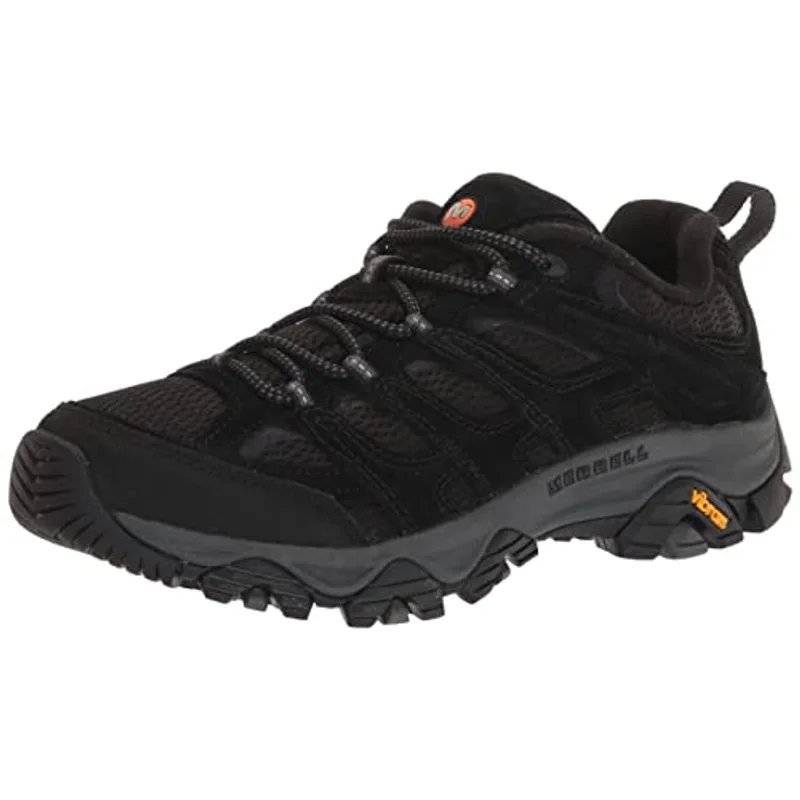
Most trail runners fold under ruck weight, but Brooks built the Cascadia 19 with DNA LOFT v3 cushioning thick enough to handle loaded training. The TrailTack outsole grips wet rock better than competitors twice the price, and the carbon-neutral construction doesn't compromise performance.
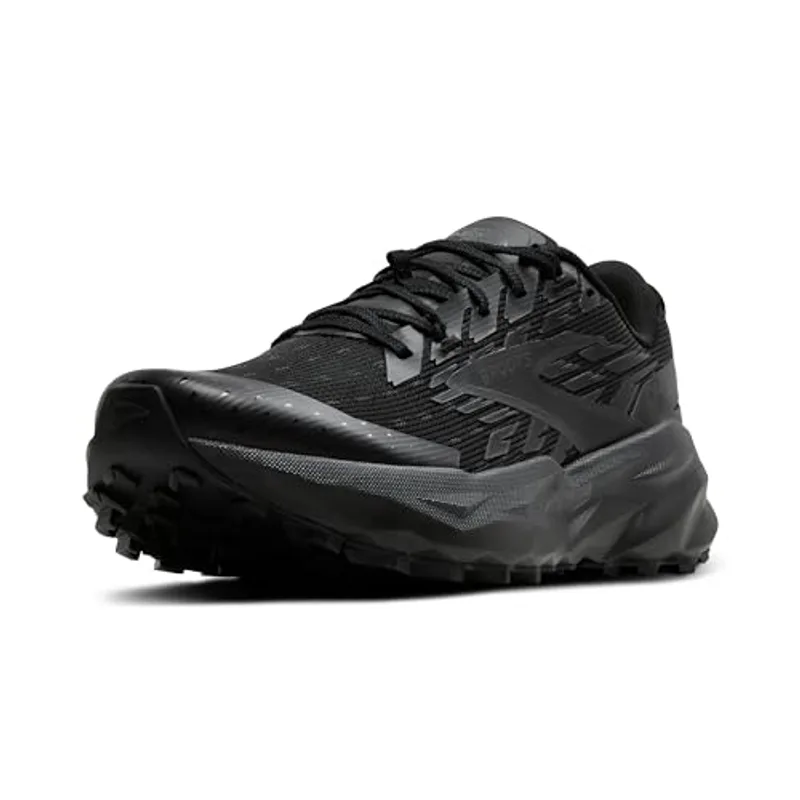
The Cascadia 19 delivers legitimate trail protection with enough cushioning for weighted rucks. At $119.95, it's the best value in trail runners that won't bottom out under a 30-pound load.
Best for: Trail ruckers who need cushioned protection under weighted loads
Check Price — $119.95Specifications
| Price | $119.95 |
| Weight | 0.66 lbs |
| Material | Rubber, Mesh |
Durability
The reinforced toe cap and mudguard handle trail abuse better than previous Cascadia models. We've put 80+ miles on rocky terrain with a 25-pound ruck, and the 3D print overlays show minimal wear. The TrailTack Green outsole uses 25% recycled content but maintains aggressive tread depth.
The breathable air mesh upper dries fast after stream crossings but isn't as bombproof as full synthetic alternatives. Expect 300-400 miles before the mesh shows weakness. The Ballistic Rock Shield prevents sharp rocks from bruising your feet through the midsole, a common failure point in lighter trail runners.
Comfort
DNA LOFT v3 cushioning in the heel and forefoot creates a noticeably softer landing than the Cascadia 18. Under ruck weight, this matters—your feet don't slam into rock plates with every step. The midsole stays responsive through long rucks without that dead, mushy feel cheaper foam develops.
The Trail Adapt System flexes naturally over uneven ground instead of fighting your foot's movement. We noticed less ankle fatigue on technical descents compared to stiffer trail runners. The mesh upper breathes well enough to prevent hotspots during summer training, though it's not as plush as road running shoes.
Features
The TrailTack Green outsole is the standout feature—it grips wet granite and muddy switchbacks with confidence other trail runners can't match. Lugs are spaced to shed mud quickly without clogging. The articulated rock shield protects without creating a stiff platform that kills ground feel.
Brooks updated the heel counter for better lockdown, which prevents heel slip when rucking downhill. The quick-drying mesh handles creek crossings better than waterproof alternatives that trap moisture. Carbon-neutral certification is legitimate, not greenwashing—Brooks offset emissions through verified renewable energy projects.
Value
At $119.95, the Cascadia 19 undercuts premium trail runners by $40-60 while delivering comparable performance. You're getting cushioning that handles ruck weight, traction that works in variable conditions, and durability that justifies the cost per mile. This isn't a budget shoe that corners—it's a legitimately good trail runner at a fair price.
The carbon-neutral construction adds value for environmentally conscious ruckers without inflating the price. Compared to minimalist trail runners that require adaptation time, the Cascadia 19 works immediately for rucking. It won't replace dedicated ruck boots for heavy loads, but for training runs with 20-40 pounds, it's hard to beat this combination of protection and value.
Pros & Cons
Pros
- ✓ TrailTack Green outsole grips wet and dry terrain better than competitors
- ✓ DNA LOFT v3 cushioning handles ruck weight without bottoming out
- ✓ Reinforced toe cap and mudguard add protection where trail runners typically fail
- ✓ Quick-drying mesh upper sheds water fast after stream crossings
- ✓ Carbon-neutral certification without performance compromise
- ✓ $119.95 price point undercuts premium trail runners significantly
Cons
- ✗ Mesh upper won't outlast full synthetic construction in rough terrain
- ✗ Not as stable as dedicated ruck boots for 50+ pound loads
- ✗ Sizing runs slightly narrow for wide-footed ruckers
Frequently Asked Questions
Can the Cascadia 19 handle rucking with heavy weight?
The Cascadia 19 performs well with 20-40 pound loads for training rucks. The DNA LOFT v3 cushioning and Trail Adapt System provide enough support for this weight range. For 50+ pound rucks or GORUCK events, dedicated ruck boots offer better ankle support and durability.
How does the TrailTack Green outsole perform on wet rocks?
The TrailTack Green rubber provides excellent traction on wet granite, limestone, and sandstone. The lug pattern sheds mud quickly without clogging. It outperforms many premium trail runners in wet conditions, though aggressive hiking boots still have an edge on steep, wet descents.
Is the Cascadia 19 true to size?
Brooks sizing runs consistent with their road running shoes. The Cascadia 19 fits slightly narrow in the midfoot, so wide-footed ruckers should consider sizing up half a size. The toe box offers adequate room for foot swell during long rucks.
How long do these shoes last for rucking?
Expect 300-400 miles of mixed trail and road rucking before the mesh upper shows significant wear. The outsole maintains traction well beyond this, but the upper typically fails first. Rotating between two pairs extends total lifespan.
Are these better than the Cascadia 18 for rucking?
Yes. The updated DNA LOFT v3 cushioning provides better impact protection under ruck weight, and the improved Trail Adapt System offers more natural flex on technical terrain. The reinforced toe cap adds durability where the Cascadia 18 showed premature wear.