Lightweight Trail Shoe That Punches Above Its Price
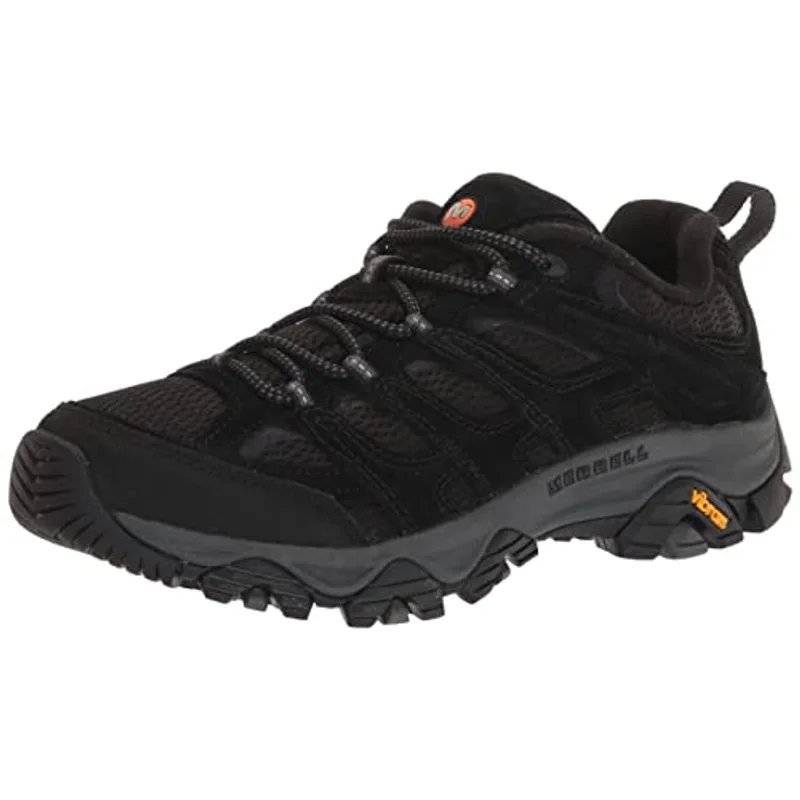
At $60, the Adidas Terrex Tracefinder 2 delivers trail-ready performance without the premium price tag. The mesh upper breathes well, and at 12.2 ounces per shoe, these won't slow you down on varied terrain.

A solid budget trail shoe for recreational ruckers who prioritize light weight and breathability over bombproof durability. At this price point, it's hard to complain about the trade-offs.
Best for: Budget-conscious ruckers training on maintained trails with light to moderate loads
Check Price — $54.97Specifications
| Price | $54.97 |
| Material | Mesh |
Durability
The mesh and synthetic upper construction keeps weight down but won't survive the same abuse as full leather or heavy-duty synthetic boots. For light to moderate trail rucking, the materials hold up reasonably well. The mesh panels show wear faster under load than we'd like, especially if you're carrying 30+ pounds regularly.
Adidas uses recycled materials for at least 20% of this shoe, which is admirable but doesn't change the durability equation. Expect these to last 300-400 miles of mixed trail use before the upper starts showing serious fatigue. The outsole rubber wears evenly, which is a plus.
Comfort
The LIGHTMOTION midsole delivers surprisingly good cushioning for the weight class. Step-in feel is soft without being mushy, and the 10mm drop feels natural for most ruckers transitioning from running shoes. At 12.2 ounces per shoe (size 9), these disappear on your feet during longer sessions.
Breathability is excellent thanks to the mesh panels, making these ideal for warm weather training. The fit runs true to size with adequate toe box room for downhill sections. However, the lightweight construction means less structure around the midfoot, so heavy ruckers may want more support.
Features
The feature set is deliberately minimal, which works at this price point. The mesh upper provides ventilation where you need it, while synthetic overlays add structure at stress points. The 10mm drop (30mm heel, 20mm forefoot) sits in the middle of the trail shoe spectrum.
Traction is adequate on dry trails and hard pack, but these aren't designed for technical terrain or wet conditions. The tread pattern clears mud reasonably well but lacks the aggressive lugs you'd find on dedicated trail boots. For fire roads and maintained trails, they're perfectly capable.
Value
At $60, the Tracefinder 2 represents exceptional value for recreational ruckers who don't need tank-level durability. You're getting a legitimate trail shoe from a major brand at half the cost of premium options. The weight-to-cushioning ratio is impressive.
These won't replace dedicated rucking boots for serious mileage or heavy loads, but that's not the point. If you're training 2-3 times per week on trails with moderate weight, these deliver enough performance to justify the low entry cost. The recycled materials are a bonus, not a selling point.
Pros & Cons
Pros
- ✓ Exceptionally light at 12.2 ounces per shoe
- ✓ Outstanding price point for trail-capable footwear
- ✓ Excellent breathability for warm weather rucking
- ✓ LIGHTMOTION cushioning performs well under moderate loads
- ✓ True-to-size fit with comfortable toe box
Cons
- ✗ Mesh upper won't survive heavy abuse or rough terrain
- ✗ Limited traction in wet or technical conditions
- ✗ Less midfoot structure than dedicated rucking boots
- ✗ Durability concerns for high-mileage users
Frequently Asked Questions
Can the Terrex Tracefinder 2 handle heavy rucking loads?
These shoes work best with loads under 30 pounds. The lightweight construction and mesh upper aren't designed for sustained heavy weight. If you're regularly carrying 40+ pounds, invest in more substantial footwear with better ankle support and durability.
How does the sizing run on these trail shoes?
The Tracefinder 2 runs true to size with a standard width. The toe box offers enough room for downhill sections without being overly spacious. If you're between sizes or wear thick socks, consider sizing up a half size.
Are these suitable for wet or muddy trail conditions?
The tread pattern handles light mud but lacks aggressive lugs for technical wet terrain. The mesh upper also means no waterproofing, so your feet will get wet in puddles or rain. These excel in dry to damp conditions on maintained trails.
How long will these shoes last for regular rucking?
Expect 300-400 miles of trail use before the mesh upper shows significant wear. The midsole cushioning holds up well, but the lightweight materials trade longevity for weight savings. At this price point, replacement cost is reasonable.