Budget Trail Shoe That Survives Rucking
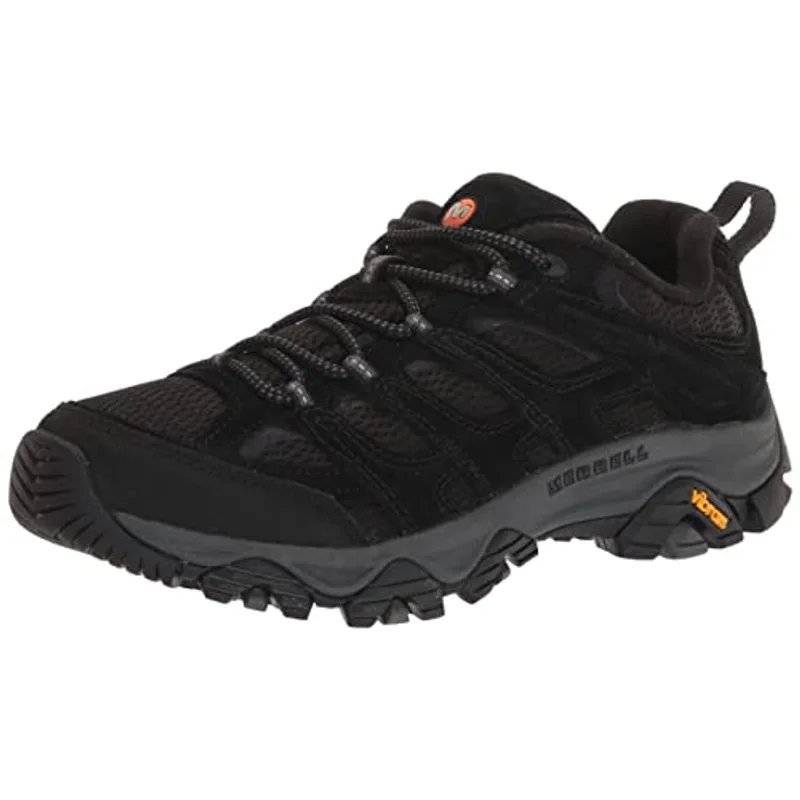
The Saucony Excursion TR16 costs less than a tank of gas but handles gravel, dirt, and light trail rucking better than shoes twice its price. It won't win durability awards, but for new ruckers testing the waters, it's hard to argue with sixty bucks.

A solid entry-level trail shoe that handles light to moderate rucking. The cushioning holds up under weight, though serious ruckers will outgrow it within a season.
Best for: Budget-conscious new ruckers on groomed trails
Check Price — $80.00Specifications
| Price | $80.00 |
| Weight | 0.63 lbs |
| Dimensions | 2.8H x 2W x 7.1L in |
| Material | Rubber |
Durability
The rubber sole construction shows decent wear resistance for the price point. Carbon-rubber lugs grip well on varied terrain, though they're not as aggressive as dedicated hiking boots. The upper materials feel adequate but not bombproof — expect 200-300 miles of rucking before you see significant breakdown.
At 0.63 pounds per shoe, the lightweight build means trade-offs in longevity. The toe box holds up to moderate brush contact, but don't expect these to survive sharp rock scrambles or heavy obstacle courses. For neighborhood rucks and groomed trails, they'll serve you fine.
Comfort
VERSARUN cushioning provides balanced support that actually holds up when you add 20-30 pounds to your ruck. The midsole doesn't bottom out like cheaper foam systems, giving you consistent comfort through 5-mile rucks. Heel lock feels secure without hot spots.
The medium width fits true to size with enough toe room for foot swell during longer sessions. Breathability is adequate — your feet won't feel swampy on cool mornings, though summer heat will remind you these aren't premium ventilated shoes. Break-in period is minimal, which matters when you're starting a rucking routine.
Features
The carbon-rubber lug pattern delivers reliable traction on loose gravel, packed dirt, and wet grass. You won't slip on moderate inclines, though steep muddy descents will test the limits. The tread spacing sheds debris reasonably well without requiring constant cleaning.
Fresh design details translate to a cleaner look than typical budget trail shoes — you can wear these beyond training without looking like you're headed to a thru-hike. The collar padding prevents Achilles irritation, and the gusseted tongue keeps trail debris out during woodland rucks. No rock plate means you'll feel sharp stones, but that's expected at this price.
Value
At $59.95, this shoe delivers performance that punches above its weight class. You're getting legitimate trail grip, decent cushioning under load, and comfort that supports actual rucking — not just marketing claims. New ruckers benefit most here, avoiding the $150+ investment before knowing if they'll stick with the sport.
The trade-off is longevity. These won't last as long as Salomon or Altra trail shoes, but they cost a third as much. If you ruck 2-3 times weekly, budget for replacement every 4-6 months. For casual ruckers or those building base fitness, that's an acceptable equation.
Pros & Cons
Pros
- ✓ Under $60 makes entry into rucking accessible
- ✓ VERSARUN cushioning supports loaded weight effectively
- ✓ Carbon-rubber lugs provide reliable multi-terrain traction
- ✓ Lightweight at 0.63 lbs won't fatigue legs
- ✓ Minimal break-in period gets you rucking immediately
- ✓ Clean design works beyond training sessions
Cons
- ✗ Durability won't match premium trail shoes
- ✗ No rock plate for technical terrain protection
- ✗ Upper materials feel adequate but not bombproof
- ✗ Limited ventilation in warm conditions
Frequently Asked Questions
Can the Saucony TR16 handle rucking with 30+ pounds?
Yes, the VERSARUN cushioning supports 20-30 pounds comfortably. Beyond that, you'll want a shoe with more substantial midsole support and a stiffer platform for proper load distribution.
How does this compare to actual hiking boots for rucking?
It's lighter and more flexible than traditional hiking boots, which benefits pace and agility. You sacrifice ankle support and rock protection, so stick to groomed trails and avoid technical terrain with heavy loads.
Will these last through a 12-week rucking program?
Absolutely. At 2-3 rucks per week covering 3-5 miles, expect 200-300 total miles before significant wear. That's 6+ months for most beginners, making them ideal for testing rucking commitment.
Do I need to size up for rucking?
Stick with your normal running shoe size. The medium width and toe box provide enough room for foot swell during rucks without going up half a size.