Zero-Drop Trail Shoe That Handles Weight
The ALTRA Experience Wild 3 walks the line between trail runner and rucking shoe. With its zero-drop platform and FootShape toe box, it's built on biomechanics that work under load. The question is whether a lightweight trail runner can handle the demands of weighted miles.
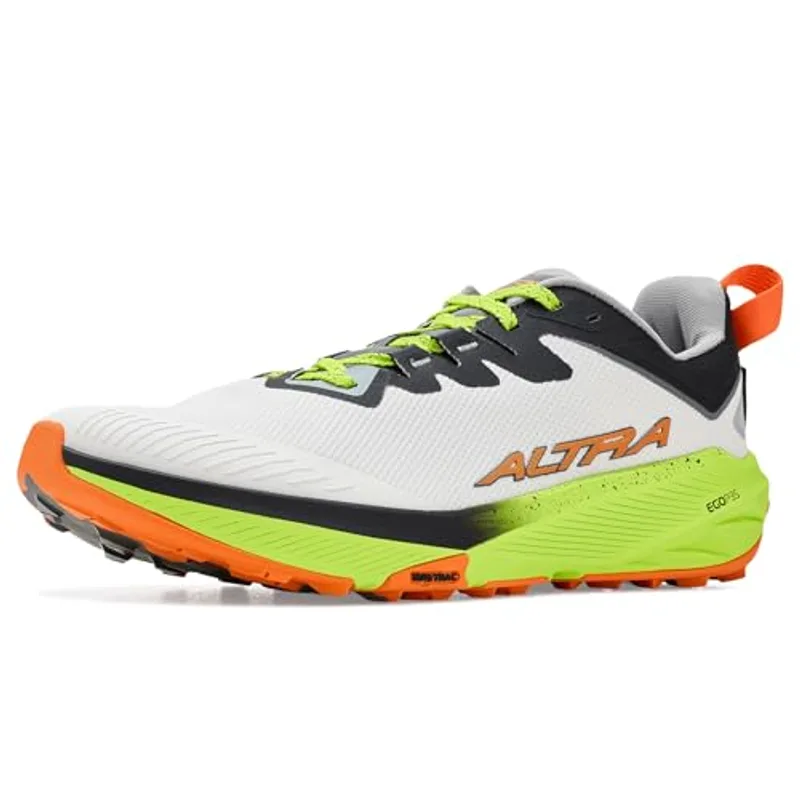
A solid crossover shoe for ruckers who want natural foot positioning and trail capability. Not purpose-built for rucking, but the zero-drop platform and room for toe splay make it work better than most trail runners.
Best for: Ruckers who prioritize natural foot positioning over maximum durability
Check Price — $139.95Specifications
| Price | $139.95 |
Durability
The MaxTrac outsole holds up reasonably well on mixed terrain, though it's designed for running lightness rather than heavy-load abuse. The lugs provide decent bite on trails without being aggressive enough to wear quickly on pavement. The upper construction feels adequate for moderate ruck weights, but we wouldn't trust it for max-weight events or daily heavy training.
The Altra EGO P35 midsole foam compresses predictably under load, which is both good and bad. It won't bottom out immediately, but it's not designed to handle 45-pound rucks mile after mile. Expect shorter lifespan than dedicated rucking footwear if you're training heavy regularly.
Comfort
The FootShape toe box is where this shoe earns its keep for rucking. Under load, your feet naturally spread and swell. Having room for that movement prevents hot spots and black toenails on long miles. The zero-drop platform keeps your body in natural alignment, which matters more when carrying weight.
The midsole cushioning feels responsive without being mushy. For ruck weights up to 30 pounds, the foam provides adequate protection without making you feel disconnected from the ground. The fit through the midfoot stays secure even when laced tight for stability. Comfort holds through the first hundred miles, though the foam does pack out faster than we'd like at this price point.
Features
The Altra EGO P35 foam delivers good ground feel while still providing shock absorption. It's not as protective as beefier trail shoes, but it's also not trying to be. The lightweight design means less foot fatigue on faster-paced rucks where you're moving at a running clip.
MaxTrac outsole rubber strikes a practical balance between grip and durability. It handles dirt, gravel, and light mud competently without being overkill for mixed surface training. The tread pattern clears reasonably well and doesn't collect debris like deeper lugs would. What's missing are any rucking-specific features like reinforced heel counters or extra toe protection for obstacle work.
Value
At $141, you're paying trail runner prices for a shoe that works for rucking but wasn't designed for it. That's not necessarily bad if you value the zero-drop platform and foot-shaped fit, but dedicated rucking shoes in this range offer more durability and load-bearing features.
The Experience Wild 3 makes sense if you're splitting time between running and rucking, or if you've already committed to the Altra fit philosophy. For pure rucking value, there are better options. But if natural foot positioning and toe room are priorities, this shoe delivers enough functionality to justify the cost for moderate training loads.
Pros & Cons
Pros
- ✓ Zero-drop platform maintains natural alignment under load
- ✓ FootShape toe box prevents cramping during weighted miles
- ✓ MaxTrac outsole balances grip and durability well
- ✓ Lightweight design reduces foot fatigue on faster rucks
- ✓ Secure midfoot fit provides stability with weight
- ✓ Works on mixed terrain from trails to pavement
Cons
- ✗ Midsole foam compresses faster than dedicated rucking shoes
- ✗ Upper construction not reinforced for heavy loads
- ✗ Lacks rucking-specific features like toe protection
- ✗ Higher price point for what you get versus purpose-built options
Frequently Asked Questions
Can the Experience Wild 3 handle heavy ruck weights?
It works up to 30-35 pounds for moderate distances, but the midsole foam and upper construction aren't designed for sustained heavy loads like dedicated rucking shoes. If you're regularly training with 45+ pounds, look for more robust options.
How does the zero-drop platform affect rucking?
The zero-drop keeps your body in natural alignment, which can reduce strain on your back and knees when carrying weight. However, if you're used to heel-to-toe drop shoes, transition gradually to avoid calf and Achilles stress.
Is the FootShape toe box worth it for rucking?
Absolutely. Under load, your feet swell and spread naturally. The roomy toe box prevents black toenails, hot spots, and cramping on long miles. This is one of the shoe's best features for weighted movement.
How long do these last for regular rucking?
Expect 200-300 miles with moderate ruck weights before the midsole compresses noticeably. Trail runners don't match the durability of purpose-built rucking footwear at this price point.
Can I use these for GORUCK events?
They'll work for Tough or Light events if you're accustomed to the zero-drop platform, but the lack of reinforcement and toe protection make them suboptimal for obstacle-heavy challenges. Consider more robust footwear for Heavy or multi-day events.