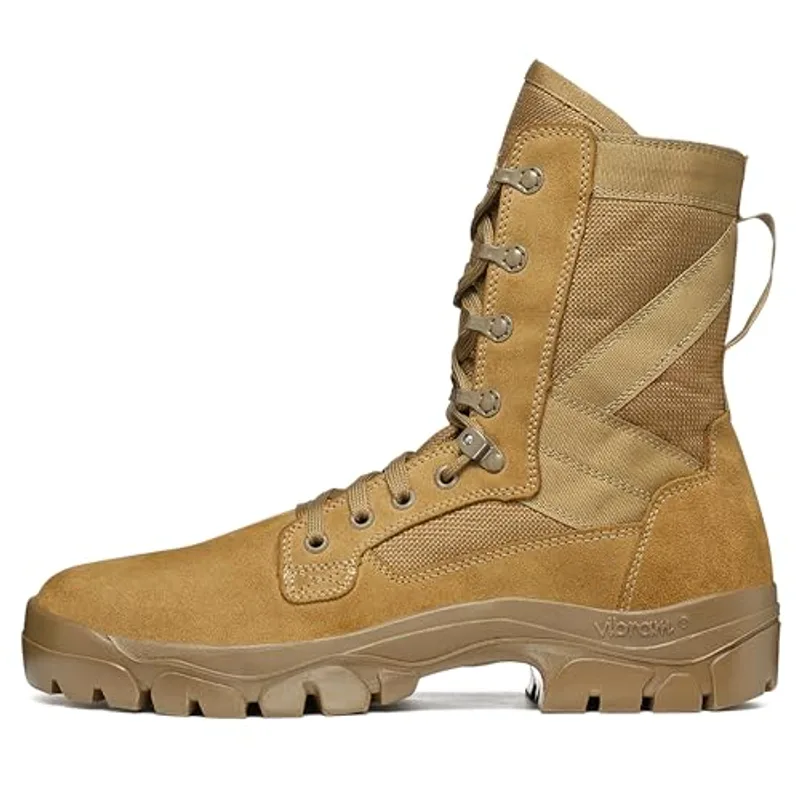
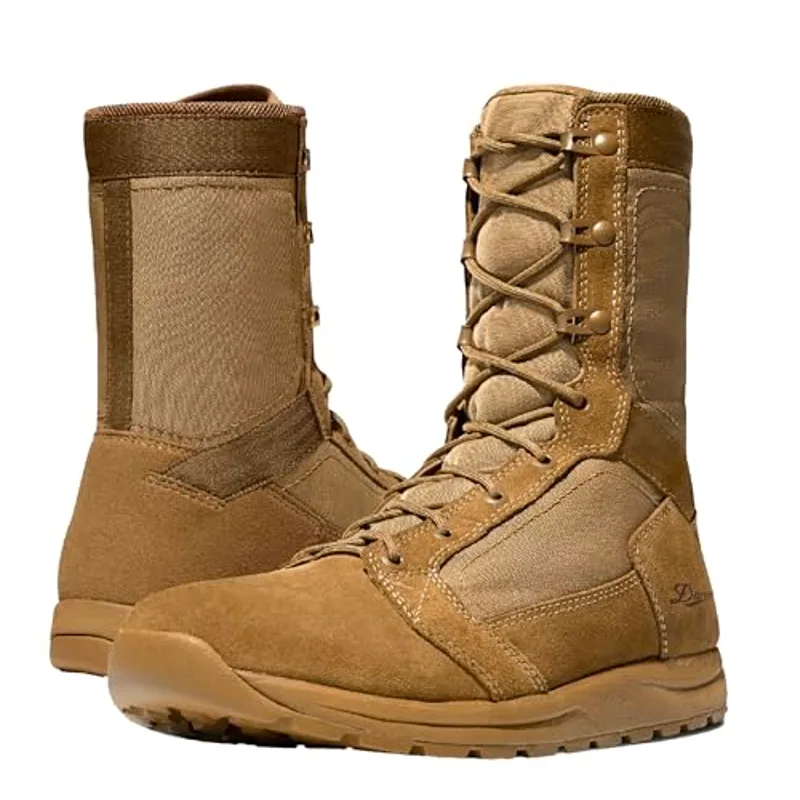
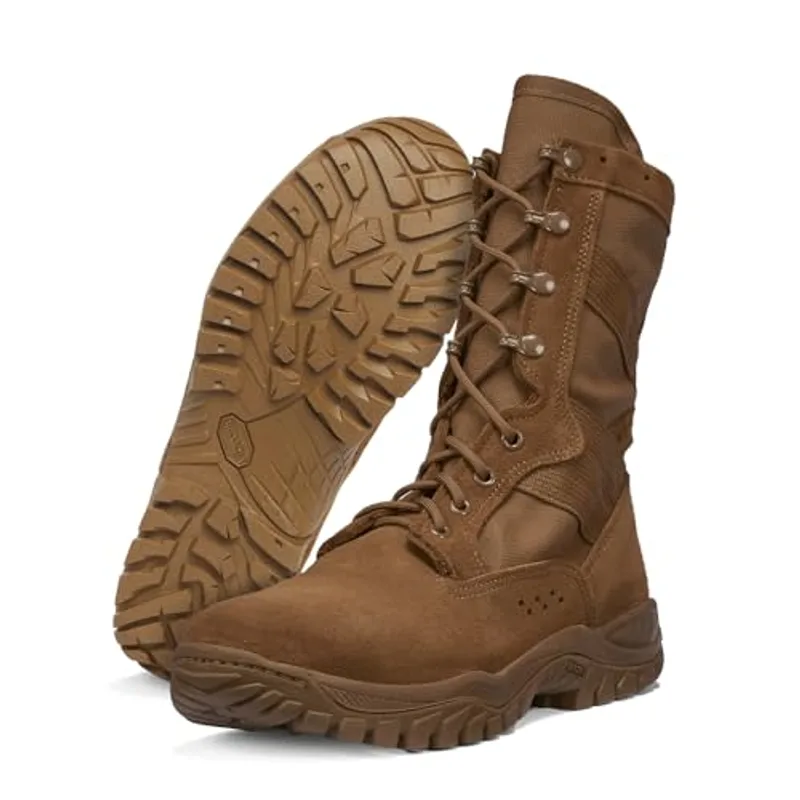
Zero Drop Meets Military-Grade Tactical Durability
Belleville's Mini-Mil TR105 brings zero-drop design to the tactical boot world—a rare combination. At 16 ounces per boot and $169.99, these coyote brown boots promise natural foot movement without sacrificing military-spec construction. The question is whether they deliver on both fronts.

Solid tactical boots that deliver on the zero-drop promise with legitimate military-grade materials. Not the lightest option for pure rucking, but competitive pricing and Vibram Tarsus outsoles make them worth considering.
Best for: Ruckers wanting zero-drop tactical boots under $200
Check Price — $169.99Specifications
| Price | $169.99 |
| Dimensions | 13H x 6W x 16L in |
| Material | Nylon, Cordura, Leather |
Durability
Belleville builds the TR105 with full-grain cattlehide leather and Cordura nylon, a proven combination in military footwear. The double-stitched seams show attention to longevity, and the Vibram Tarsus outsole is known for outlasting cheaper rubber compounds.
The leather-Cordura hybrid construction handles abrasion better than all-synthetic alternatives. Cordura panels increase breathability in desert conditions while maintaining structure. At 16 ounces per boot, weight savings don't come from cutting corners on materials—these use legitimate tactical-grade components that should handle years of regular use.
Comfort
The zero-drop sole design promotes natural foot positioning, letting your heel and forefoot sit at the same height. This matters for ruckers who want to maintain proper posture under load. The wide toe box prevents cramping during long movements, and the removable molded insert allows custom orthotic swaps.
Belleville's sizing runs half a size small, so ordering up is necessary. The shock-dispersing midsole technology dampens impact on pavement and hard trails, though it's not as plush as running shoe foam. Break-in takes 10-15 miles—typical for leather tactical boots. The soft-toe design offers more flex than steel or composite options, improving ground feel during uneven terrain navigation.
Features
The Vibram Tarsus outsole provides aggressive traction on mixed surfaces, from gravel to concrete. This outsole pattern grips well but doesn't clog with mud as easily as deeper lugs. The slip-resistant design works, though it's not specialized for ice or extreme wet conditions.
Breathability comes from the Cordura nylon panels and desert-style construction. Your feet won't stay cool in 90-degree heat, but air moves better than in sealed leather boots. The coyote brown color matches most tactical gear without screaming "military." No drainage ports mean these aren't meant for creek crossings or wet conditions—they're optimized for dry, hot environments where ventilation matters more than waterproofing.
Value
At $169.99, the TR105 sits in the mid-range for tactical boots. You're paying for Belleville's military contract manufacturing reputation and Vibram outsoles—both legitimate value adds. Comparable zero-drop tactical boots from specialty brands run $50-100 more.
The materials justify the price. Full-grain leather and Vibram rubber outlast budget alternatives that use synthetic leather and generic rubber compounds. Belleville offers military and first responder discounts that can drop the price further. For ruckers wanting zero-drop geometry without paying premium prices, this represents solid value. However, pure rucking specialists might prefer lighter trail runners with better cushioning at similar price points.
Pros & Cons
Pros
- ✓ Zero-drop design promotes natural foot positioning under load
- ✓ Vibram Tarsus outsole provides excellent traction and longevity
- ✓ Wide toe box prevents cramping during extended movements
- ✓ Full-grain leather and Cordura construction for durability
- ✓ Mid-range pricing for military-grade materials
- ✓ Removable insole allows custom orthotic integration
Cons
- ✗ Runs half size small requiring careful sizing
- ✗ 16 ounces per boot heavier than trail runners
- ✗ Limited breathability compared to mesh alternatives
- ✗ Break-in period required for leather softening
Frequently Asked Questions
Do these boots require a break-in period?
Yes, expect 10-15 miles of break-in for the leather to soften. Wear them around the house first, then on short rucks before committing to long distance events.
How does the zero-drop design affect rucking?
Zero-drop places your heel and forefoot at equal height, promoting natural posture and potentially reducing lower back strain under heavy loads. If you're used to traditional boots with heel lift, transition gradually.
Are these suitable for wet conditions?
No. The desert-style design prioritizes breathability over waterproofing. They'll handle light moisture but aren't meant for rain or creek crossings.
What size should I order?
Order half a size up from your normal size. Belleville designs these to run small for a precise tactical fit.
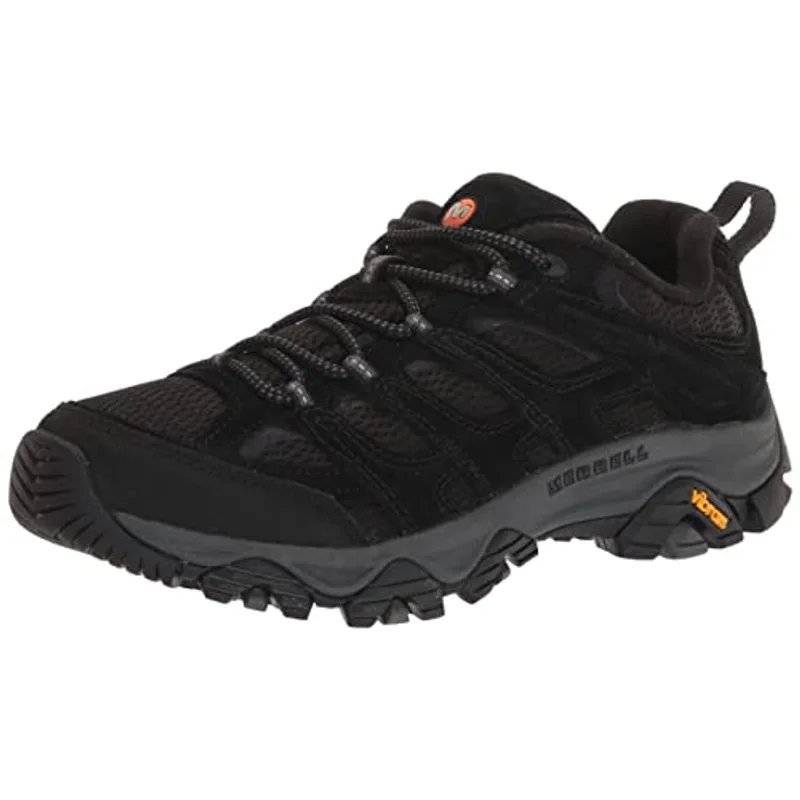
How do these compare to Salomon or Merrell trail shoes for rucking?
The TR105 is heavier but more durable with better ankle support. Trail shoes offer lighter weight and better cushioning but won't last as long under tactical use. Choose based on whether you prioritize speed or durability.