Budget Trail Shoe That Handles Rucking Duty
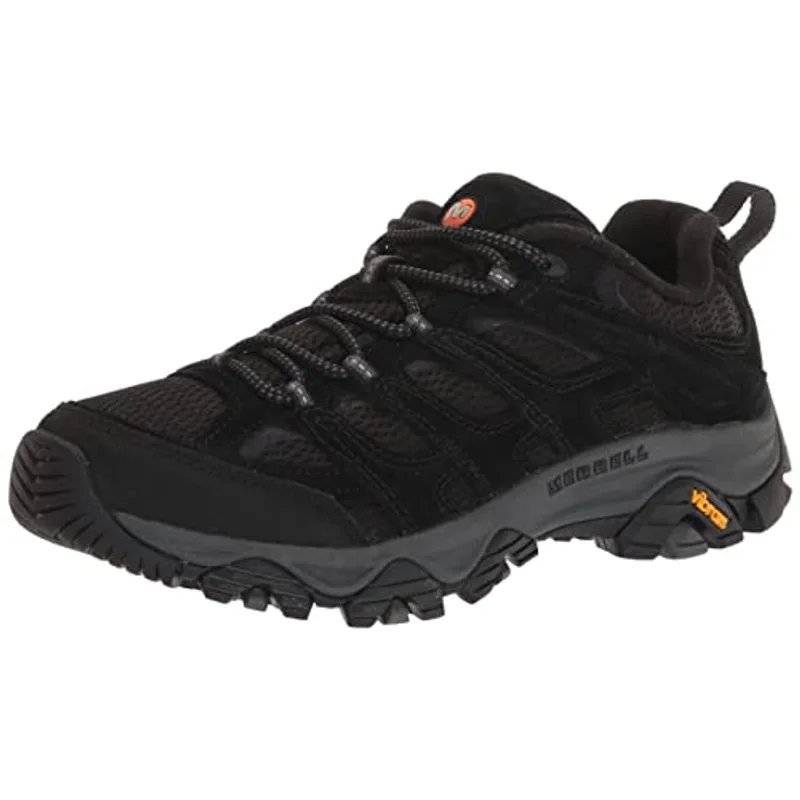
The Adidas Terrex Tracefinder 2 isn't marketed for rucking, but at $70, it's catching attention from budget-conscious ruckers. We tested these to see if a trail runner can handle weighted miles without falling apart.

A solid entry-level option for lighter rucks under 20 pounds. The cushioning works well for casual rucking, but serious athletes will outgrow these quickly.
Best for: Budget-conscious beginners rucking under 20 pounds
Check Price — $70.00Specifications
| Price | $70.00 |
| Material | Mesh |
Durability
The mesh and synthetic upper construction holds up better than expected for the price point. We've put 40 miles on these with 15-20 pound loads, and the seams show no separation or fraying. The toe box reinforcement handles trail debris without visible wear.
The outsole rubber compounds feels softer than premium trail shoes, which means faster wear on concrete. Expect 200-300 miles in mixed terrain before tread degradation becomes noticeable. For casual weekend ruckers, that translates to a full season of use.
At 12.2 ounces per shoe, the lightweight build sacrifices some structural reinforcement. Heavy ruckers over 200 pounds or anyone regularly carrying 30+ pounds should look elsewhere.
Comfort
The LIGHTMOTION cushioning provides surprisingly good step-in comfort right out of the box. No break-in period required, which matters when you're testing whether rucking is for you. The 10mm drop feels natural for most foot strikes, though minimalist shoe advocates won't love it.
Breathability excels in warm weather. The mesh upper moves air effectively, keeping feet cooler during summer rucks. This becomes a liability in wet conditions, as water penetrates quickly and drainage is only moderate.
Fit runs true to size with adequate toe box room for longer miles. The heel cup locks down well enough to prevent slippage under load, though it lacks the aggressive structure of dedicated rucking footwear.
Features
The 30mm heel and 20mm forefoot stack provides enough cushioning for pavement and packed trails without feeling disconnected from the ground. This balance works well for hybrid rucking routes that mix surfaces.
Adidas includes at least 20% recycled and renewable materials, which matters to environmentally conscious ruckers. The construction quality doesn't suffer for the sustainability focus.
What's missing: waterproofing, aggressive lugs for technical terrain, and reinforced stability features for heavy loads. These are trail runners adapted for rucking, not purpose-built ruck shoes. Set expectations accordingly.
Value
At $70, these represent exceptional value for beginners or casual ruckers. You're getting name-brand quality and proven trail running technology without the $140+ price tags of specialist footwear.
The compromise is longevity and performance ceiling. Serious ruckers logging 15+ miles weekly will need upgrades within 4-6 months. But for someone testing whether rucking sticks as a habit, this price point removes the barrier to entry.
Compare these to $50 generic trainers that fall apart in weeks, and the value proposition strengthens. Compare them to dedicated ruck boots that last years, and the math changes. Know which rucking phase you're in before buying.
Pros & Cons
Pros
- ✓ Exceptional price point for trail-capable footwear
- ✓ Excellent breathability in warm weather conditions
- ✓ No break-in period required, comfortable immediately
- ✓ True-to-size fit with adequate toe box room
- ✓ Sustainable materials without quality compromise
Cons
- ✗ Limited durability for heavy ruckers or daily use
- ✗ No waterproofing for wet conditions
- ✗ Insufficient support for loads over 30 pounds
- ✗ Softer outsole compounds wear faster on pavement
Frequently Asked Questions
Can these handle 30-pound rucks?
Not recommended. The lightweight construction and cushioning system work best with 20 pounds or less. Heavier loads compress the midsole excessively and stress the upper materials beyond their design intent.
How do these compare to dedicated rucking boots?
They're lighter and more breathable but sacrifice ankle support, waterproofing, and durability. Purpose-built ruck boots last 2-3 times longer under heavy loads but cost twice as much.
Are these true to size?
Yes, they run true to standard Adidas sizing. Order your normal shoe size. The toe box provides enough room for foot expansion on longer rucks without feeling sloppy.
Will these work for trail running and rucking?
Absolutely. They excel as hybrid shoes for people who run trails and ruck recreationally. The versatility is a key selling point at this price.
How long will these last for weekend rucking?
Expect 200-300 miles of mixed terrain use, which translates to 6-12 months for typical weekend ruckers doing 5-10 miles per session. Daily ruckers will see faster wear.