Premium Compression for Serious Ruckers
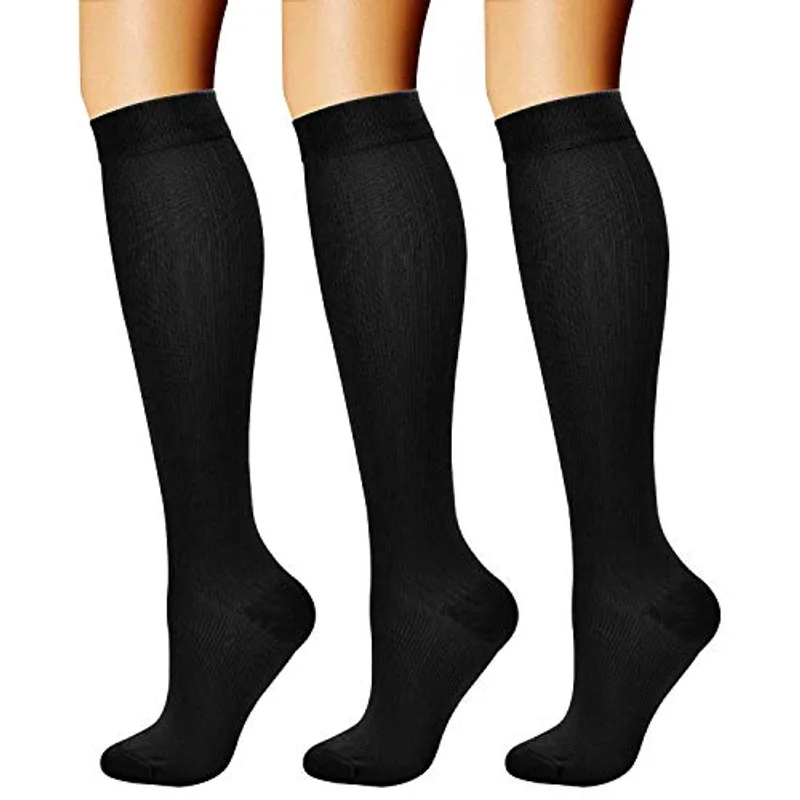
CEP's Core Run Tall Compression Socks bring medical-grade compression to the rucking community. At $58.80, these German-engineered socks promise to reduce fatigue and speed recovery during heavy load training.
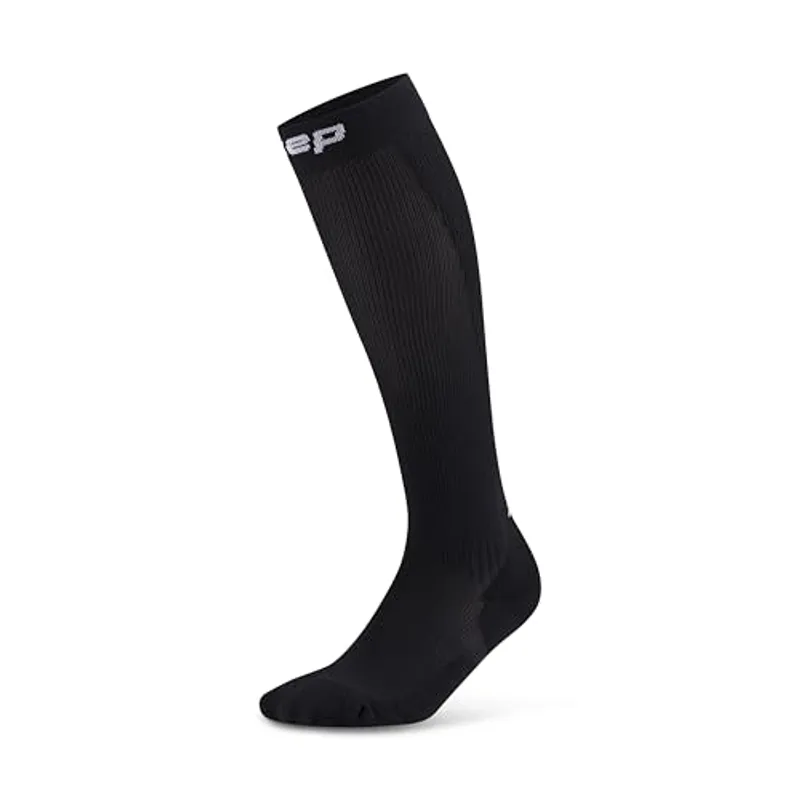
Solid compression technology with proven 20-30mmHg graduated support. Price reflects premium construction, but durability and recovery benefits justify the investment for frequent ruckers.
Best for: Serious ruckers prioritizing recovery and injury prevention
Check Price — $59.90Specifications
| Price | $59.90 |
Durability
CEP uses premium synthetic blends that maintain compression integrity through repeated wash cycles. The fabric holds its shape well after months of use, unlike cheaper compression socks that lose tension quickly.
Reinforced heel and toe zones withstand the friction from ruck boots without developing holes. The elastic bands stay secure without rolling or bunching. Expect 8-12 months of regular use before compression degrades noticeably.
The quick-dry material resists odor buildup better than cotton blends, important for multi-day events or back-to-back training sessions.
Comfort
The graduated 20-30mmHg compression feels snug without cutting off circulation. Pressure zones target the calf, ankle, and arch precisely, providing support where ruckers need it most during loaded carries.
Breathable air channels prevent overheating during summer rucks. The smooth toe seam eliminates the irritation common with compression wear. Impact cushioning along the sole absorbs shock from concrete and asphalt without adding bulk.
These run tall enough to stay up during movement but don't bind behind the knee. First-time compression sock users need a break-in period to adjust to the snug fit.
Features
The patented 20-30mmHg compression technology is the standout feature. This medical-grade pressure improves blood flow during activity and speeds lactate clearance afterward, reducing next-day soreness.
Targeted compression zones address common ruck injuries like shin splints and plantar fasciitis. The arch support helps prevent foot fatigue during long events. Traction zones along the sole keep your foot stable inside the boot.
Breathable fabric channels and moisture-wicking materials keep feet dry. The quick-dry property means you can wash them after evening training and wear them the next morning. Ergonomic design accommodates different calf sizes within each size range.
Value
At $58.80, these sit at the premium end of compression sock pricing. That's 2-3 times the cost of basic compression wear, but CEP delivers medical-grade technology rather than marketing hype.
The durability justifies the upfront cost. Cheaper socks need replacing every few months when compression fails. CEP's construction maintains effectiveness for nearly a year of regular use, making the per-wear cost competitive.
For serious ruckers training 3-5 times weekly, the recovery benefits translate to better performance and fewer rest days. Recreational ruckers might find equal value in $25-35 options. Consider this an investment in recovery infrastructure.
Pros & Cons
Pros
- ✓ Medical-grade 20-30mmHg graduated compression technology
- ✓ Durable construction maintains compression through 8-12 months
- ✓ Targeted zones address shin splints and plantar fasciitis
- ✓ Quick-dry, breathable fabric prevents overheating
- ✓ Smooth toe seam and cushioning prevent blisters
- ✓ Tall design stays secure without binding knees
Cons
- ✗ Premium $58.80 price point limits accessibility
- ✗ Snug fit requires break-in period for new users
- ✗ No natural fiber options for those avoiding synthetics
- ✗ Limited color selection in this model
Frequently Asked Questions
How tight should compression socks feel?
CEP's 20-30mmHg compression feels snug but not painful. You should feel firm, even pressure from ankle to calf. If you experience numbness or skin discoloration, size up. First-time users typically adjust within 2-3 wears.
Can I wear these during rucks or just for recovery?
Both. The compression supports performance during loaded carries by improving blood flow and reducing muscle vibration. Many ruckers wear them during events, then keep them on for 2-3 hours post-ruck to speed recovery.
How do I maintain compression effectiveness?
Wash in cold water and air dry. Heat from dryers degrades elastic fibers faster. Rotate between two pairs if training daily. Replace when the sock feels noticeably looser or no longer provides firm pressure around your calf.
What size should I order?
CEP sizes by calf circumference, not shoe size. Measure the widest part of your calf. Size III fits 14-16 inch calves. Between sizes? Go larger for comfort, smaller for maximum compression. Check CEP's size chart for precise measurements.