Effective Recovery Tool at Premium Price
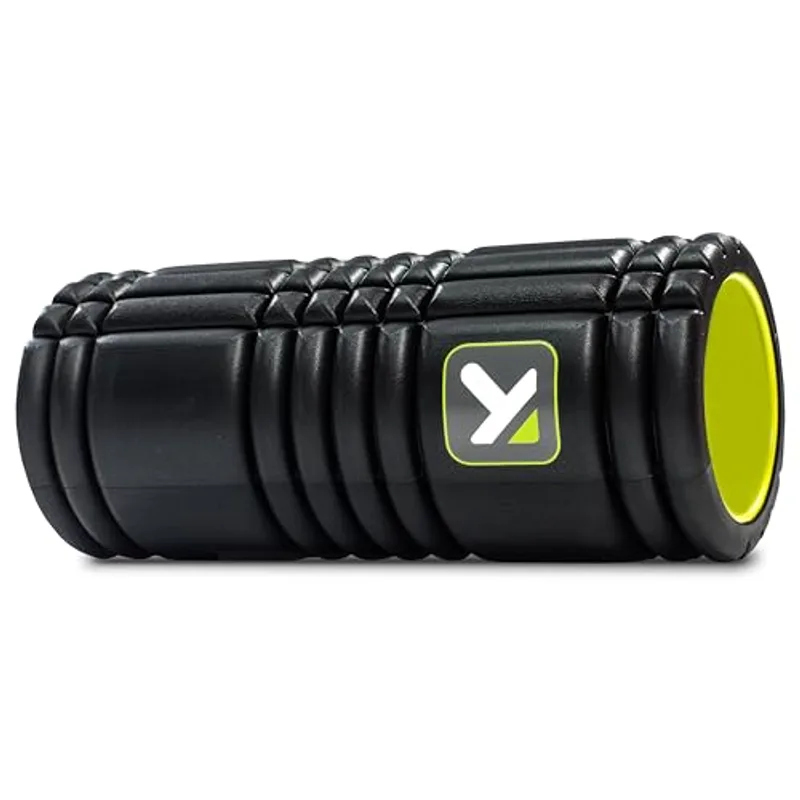
The TriggerPoint Grid 1.0 has long been the gold standard in foam rolling, but a 60% price jump to $39.95 tests its value proposition. The patented surface pattern and durable construction remain best-in-class, but budget alternatives now compete closely.
Solid recovery tool with proven design and lasting durability. The price increase makes it harder to recommend over competitors, but quality remains excellent for serious ruckers.
Best for: Daily rollers prioritizing durability over budget concerns
Check Price — $28.99Specifications
| Price | $28.99 |
| Weight | 1.1 lbs |
| Dimensions | 5.1H x 5.1W x 3.9L in |
| Material | EVA |
Durability
TriggerPoint's EVA foam construction delivers on longevity promises. The hollow core design maintains structural integrity even after hundreds of rolling sessions, with no flattening or surface degradation typical of cheaper models.
The 13-inch length provides enough coverage for targeted work without the bulk of full-length rollers. At 1.1 pounds, it's light enough to pack for events but substantial enough to feel stable during use. The EVA outer layer resists moisture and cleaning products, making it genuinely gym-bag friendly for post-ruck recovery.
Comfort
The Grid pattern earns its reputation. Variable density zones let you control pressure intensity by adjusting body position and weight distribution. Firmer than standard foam rollers, it provides massage-therapist-level compression that reaches deep tissue effectively.
The three-dimensional surface pattern creates distinct experiences across different zones. Raised nodules target trigger points while channels promote blood flow and reduce skin drag. For post-ruck calf and IT band work, the firmness level hits the sweet spot between therapeutic and tolerable.
Features
The Distrodensity Zones are more than marketing speak. The multi-density construction genuinely replicates manual massage techniques, with varying firmness levels across the roller surface. This allows progressive intensity as you work through tight spots.
The hollow core serves dual purposes: reducing weight for portability while maintaining firmness for deep tissue work. The patented surface pattern channels promote circulation as you roll, theoretically improving recovery efficiency. For ruckers dealing with lower leg tightness and hip flexor issues, the 13-inch length targets problem areas without excess bulk.
Value
At $39.95, the Grid 1.0 enters premium territory where value becomes questionable. Yes, it's well-built and effective, but the 60% price jump from $24.97 changes the competitive landscape significantly. Budget rollers at $15-25 now offer similar density and pattern designs.
The durability justifies some premium, as this roller will outlast cheaper alternatives by years. If you roll daily and want guaranteed longevity, the investment makes sense. For occasional recovery sessions, cheaper options deliver 85% of the performance at half the cost. The Grid 1.0 remains excellent—just no longer the obvious choice it once was.
Pros & Cons
Pros
- ✓ Proven multi-density GRID pattern effectively targets trigger points
- ✓ Durable EVA construction maintains shape after repeated use
- ✓ Lightweight at 1.1 lbs yet stable during rolling sessions
- ✓ Firm compression reaches deep tissue better than standard foam
- ✓ 13-inch length balances portability with functional coverage
- ✓ Easy to clean and moisture-resistant for gym bag storage
Cons
- ✗ 60% price increase significantly impacts value proposition
- ✗ Firmness may be excessive for beginners or sensitive users
- ✗ 13-inch length limits full-back rolling applications
- ✗ Premium price now competes with massage gun alternatives
Frequently Asked Questions
Is the TriggerPoint Grid 1.0 too firm for beginners?
It's firmer than standard foam rollers, which can be intense initially. Start with lighter pressure and shorter sessions (30-60 seconds per area) until your muscles adapt. The firmness is actually what makes it effective for deep tissue work.
Will 13 inches provide enough coverage for post-ruck recovery?
Yes, for targeted work on calves, quads, IT bands, and hip flexors. The 13-inch length is ideal for isolating specific muscle groups. If you want full-back coverage, consider their 26-inch model instead.
How does this compare to $20 foam rollers?
The Grid pattern and EVA construction are superior to budget models, providing more effective tissue compression and lasting significantly longer. However, the performance gap has narrowed—you're paying a premium for proven durability and brand reputation.
Can I travel with this roller for rucking events?
Absolutely. At 1.1 pounds and 13 inches, it fits easily in most ruck bags or luggage. The hollow core keeps it lightweight while the durable exterior handles transport wear without damage.
How often should I use this after rucking?
Aim for 10-15 minutes post-ruck, focusing on calves, quads, and hip flexors. Daily rolling of problem areas accelerates recovery. The durable construction handles frequent use without degradation, making it suitable for daily recovery routines.