Budget Massage Stick for Basic Recovery
The MZDXJ Muscle Roller is an 18-inch massage stick targeting post-ruck muscle tension at an ultra-budget price point. At $8.99, it promises deep tissue relief and fascia care, but can this entry-level tool actually deliver for serious ruckers?
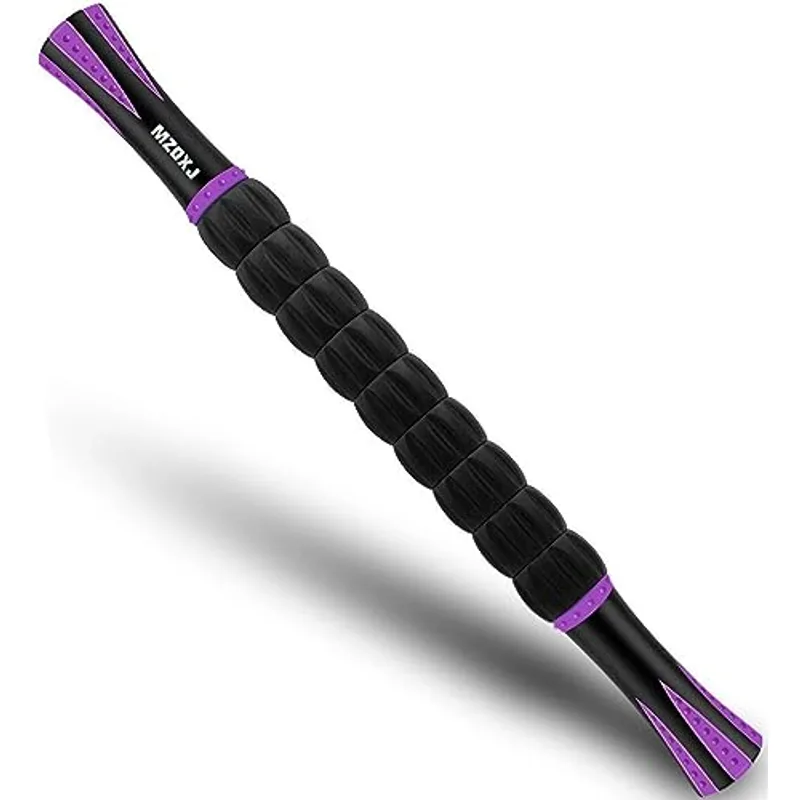
A functional budget massage stick that handles light recovery work. At $8.99, it's worth trying for basic muscle rolling, but don't expect professional-grade durability or deep tissue effectiveness.
Best for: Budget-conscious ruckers trying basic muscle rolling recovery
Check Price — $9.99Specifications
| Price | $9.99 |
| Weight | 0.66 lbs |
| Dimensions | 1.5H x 1.5W x 17.8L in |
Durability
The 0.66-pound construction suggests lightweight materials that prioritize portability over longevity. Without specific material specifications, we're likely looking at basic plastic components with rubberized rollers. This weight class typically means the stick won't withstand aggressive deep tissue work or heavy daily use.
The nine independent roller design should provide decent surface coverage, but the connection points between rollers are potential failure zones. Budget massage sticks in this price range often develop squeaks or loose rollers after 3-6 months of regular use. The handles appear to be standard grip design without premium cushioning or reinforcement.
For occasional post-ruck rolling sessions, it should hold up adequately. If you're planning daily aggressive fascia work or targeting stubborn trigger points with significant pressure, expect a shorter lifespan than professional-grade alternatives.
Comfort
The 18-inch length provides reasonable leverage for self-massage, allowing you to work calves, quads, and IT bands with controlled pressure. The ergonomic handle design appears standard for this price point—functional but not particularly refined. You won't find the cushioned grips or contoured handles that higher-end sticks offer.
The multiple roller configuration should distribute pressure reasonably well across muscle groups, preventing the sharp single-point discomfort of basic foam rollers. However, the roller texture and firmness remain unknown variables. Budget rollers sometimes use harder plastic that can feel uncomfortable on sensitive areas without the nuanced pressure control of premium models.
For post-ruck recovery sessions lasting 10-15 minutes, the stick provides adequate comfort. Extended use may cause hand fatigue due to basic grip construction, and the lightweight build means you'll need to apply more manual pressure than heavier, gravity-assisted tools would require.
Features
The marketing emphasizes trigger point relief, fascia care, and lymphatic drainage—ambitious claims for an $8.99 tool. The reality is more modest. The independent roller design allows the stick to conform somewhat to muscle contours, which helps target specific areas like tight calves after loaded rucks.
The 18-inch length hits a practical middle ground for versatility. You can reach most major muscle groups solo, though a longer stick would provide better leverage for larger areas like the back. The purple-black color scheme is purely cosmetic, adding no functional value but providing visual differentiation from basic black alternatives.
Missing are any advanced features like textured rollers, adjustable pressure settings, or travel-friendly disassembly. This is a straightforward manual massage stick—no complexity, no innovation, just basic rolling mechanics. The "expert recommended" and "blood circulation accelerator" claims lack verifiable backing and should be taken as marketing language rather than validated performance metrics.
Value
At $8.99, this massage stick occupies the absolute budget tier of recovery tools. That's less than a single sports massage session and comparable to a basic foam roller. For ruckers curious about adding manual muscle rolling to their recovery routine without financial commitment, the price removes all barriers to entry.
The value equation depends entirely on your expectations and usage patterns. If you ruck 2-3 times weekly and want a simple tool for post-workout calf and quad rolling, this delivers adequate function per dollar spent. You're not getting premium materials, advanced ergonomics, or long-term durability, but you are getting functional muscle rolling capability.
Compared to $30-60 massage sticks from established brands, you sacrifice build quality and longevity. However, for beginners unsure if they'll consistently use a massage stick, starting with this budget option makes practical sense. Consider it a trial tool—if you find yourself using it regularly and wishing for better performance, upgrade later. If it sits unused, you've risked less than ten dollars. The current pricing reflects fair value for what amounts to a basic entry-level recovery tool.
Pros & Cons
Pros
- ✓ Extremely affordable entry point at $8.99
- ✓ Lightweight and portable at 0.66 lbs
- ✓ 18-inch length works for most major muscle groups
- ✓ Multiple independent rollers provide decent coverage
- ✓ Low financial risk for recovery tool experimentation
- ✓ Suitable for light post-ruck muscle rolling
Cons
- ✗ No material specifications raise durability concerns
- ✗ Lightweight construction limits deep tissue effectiveness
- ✗ Basic handle design without premium grip features
- ✗ Marketing claims lack verifiable evidence
- ✗ Short expected lifespan with regular aggressive use
Frequently Asked Questions
Is this massage stick durable enough for daily use?
At this price point and weight (0.66 lbs), expect moderate durability suitable for light-to-moderate use. Daily aggressive deep tissue work will likely shorten its lifespan to several months rather than years.
Can this effectively roll out post-ruck muscle tightness?
Yes, for basic muscle rolling and surface-level tension relief. It works adequately on calves, quads, and IT bands after rucks, though it won't match the deep tissue pressure of heavier professional-grade sticks.
How does the 18-inch length work for self-massage?
The 18-inch length provides good versatility for most users, allowing you to reach major leg muscle groups with reasonable leverage. Taller individuals or those targeting back muscles might prefer a longer stick.
Is this worth buying at $8.99 for ruck recovery?
Yes, as a low-risk entry into manual muscle rolling. It's affordable enough to try without significant financial commitment, making it ideal for beginners exploring recovery tools before investing in premium options.
What's the main limitation of this budget massage stick?
The lightweight construction limits how much pressure you can apply for deep tissue work. It's best for light-to-moderate muscle rolling rather than aggressive trigger point therapy or stubborn fascia adhesions.