Budget Trail Shoe That Handles Rucking Basics
The Saucony Excursion TR14 isn't marketed to ruckers, but at under $55, it's caught our attention as a potential entry-level option. These trail runners bring decent grip and cushioning without the premium price tag that comes with purpose-built rucking footwear.
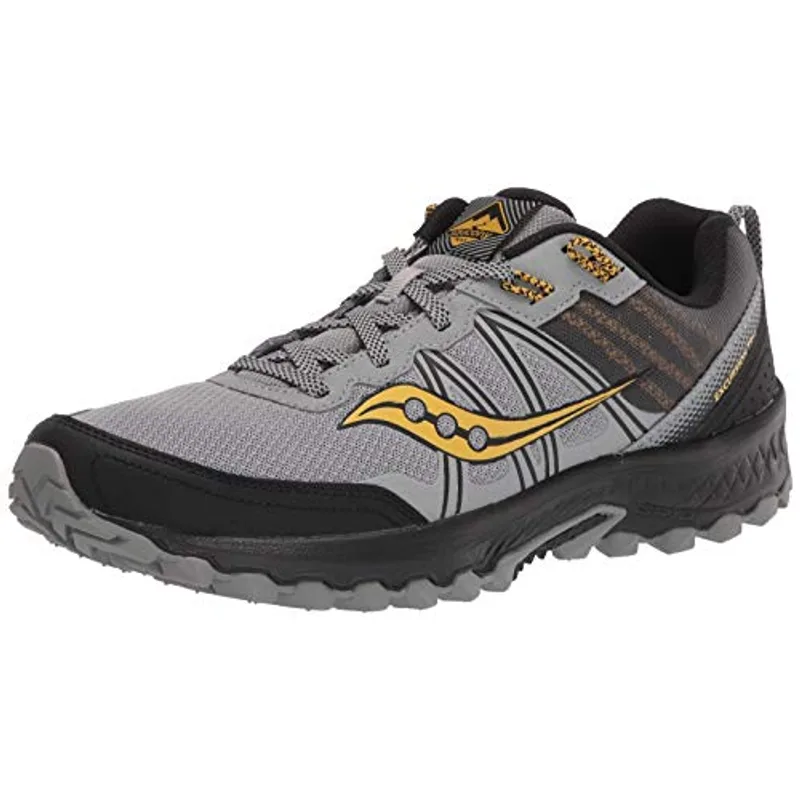
A solid budget trail shoe that handles recreational rucking on moderate terrain. Won't match dedicated rucking boots for support, but the price makes them worth considering for beginners or light training.
Best for: Budget-conscious beginners doing light to moderate ruck training
Check Price — $60.55Specifications
| Price | $60.55 |
Durability
The TR14 uses Saucony's standard trail construction with a synthetic and mesh upper. It's not bombproof, but for the price point, the materials hold up reasonably well to regular trail use.
The rubber outsole shows decent wear resistance on mixed terrain. We'd expect 300-400 miles from these before significant degradation, which is respectable for a sub-$60 shoe. The mesh sections are the weak point and will show wear faster under heavy pack weight.
For occasional rucking or someone just starting out, the durability is adequate. If you're planning heavy events or frequent training with 30+ pounds, budget for replacement sooner rather than later.
Comfort
Cushioning is surprisingly adequate for ruck training. Saucony's VERSARUN midsole provides reasonable impact absorption, though it compresses noticeably under heavier loads. For 20-30 pound rucks, comfort stays acceptable.
The wide fit option helps accommodate foot spread during long carries. Toe box has decent room without being sloppy. The padded tongue and collar prevent hotspots, though the ankle support is minimal compared to dedicated rucking boots.
Break-in period is short, usually just a few miles. These won't coddle your feet like premium options, but they won't torture them either. Expect fatigue to set in faster on longer rucks compared to boots with more structured support.
Features
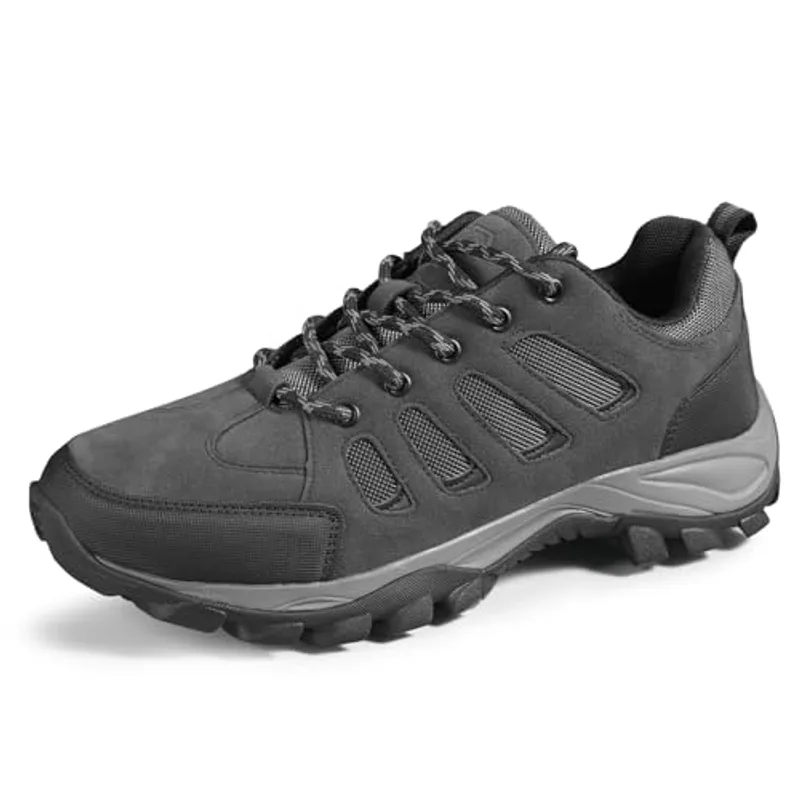
This is a straightforward trail runner without bells and whistles. The lugged outsole provides adequate traction on dirt, gravel, and light mud. It's not aggressive enough for technical terrain but handles maintained trails confidently.
The synthetic overlays add structure where it matters most, though they can't match the stability of a true rucking boot. Breathability is decent through the mesh panels, keeping feet cooler in warmer conditions but offering zero water resistance.
No drainage features, no fancy closure systems, no integrated gaiters. What you see is what you get: a basic trail shoe that does the fundamentals competently without trying to be something it's not.
Value
At $54.95, the TR14 represents strong value for specific use cases. It's roughly one-third the cost of dedicated rucking footwear, making it accessible for newcomers testing the waters or as a rotation shoe for lighter training days.
The performance-to-price ratio works if you understand the limitations. These aren't replacing proper rucking boots, but they fill a legitimate niche for budget-conscious athletes or those doing primarily road and groomed trail work.
Consider these a gateway shoe. They'll serve you well while you figure out if rucking is your thing, then you can invest in specialized footwear. For the price, it's hard to find a better option that actually handles weight on trails.
Pros & Cons
Pros
- ✓ Aggressive pricing under $60 makes entry accessible
- ✓ Decent cushioning for loads up to 30 pounds
- ✓ Wide fit option accommodates foot swell
- ✓ Short break-in period gets you training quickly
- ✓ Adequate trail traction on maintained paths
- ✓ Breathable mesh keeps feet cooler in warm weather
Cons
- ✗ Minimal ankle support compared to boots
- ✗ Mesh durability suffers under heavy pack weight
- ✗ Cushioning compresses noticeably with heavier loads
- ✗ Zero water resistance or drainage features
Frequently Asked Questions
Can the Saucony TR14 handle weighted rucking?
Yes, but with limitations. These work well for loads up to 30 pounds on groomed trails and roads. Beyond that weight or on technical terrain, you'll want a boot with more ankle support and structure.
How do these compare to dedicated rucking boots?
They lack the ankle support, durability, and stability of purpose-built rucking boots. Think of these as a budget entry point or light training shoe rather than a replacement for serious rucking footwear.
What's the expected lifespan for ruck training?
Expect 300-400 miles with moderate ruck loads before significant wear. The mesh upper will show signs of stress before the sole wears out, especially if you're consistently carrying heavier weight.
Are these waterproof?
No. The mesh construction prioritizes breathability over water resistance. Your feet will get wet in puddles or rain, though they'll also dry relatively quickly.