Budget Entry Point with Predictable Limitations
At under $30, TRAILBLITZ hiking shoes make bold promises about traction, breathability, and durability. We tested them with weighted rucks to see if budget footwear can handle serious training, or if you're just postponing an inevitable upgrade.
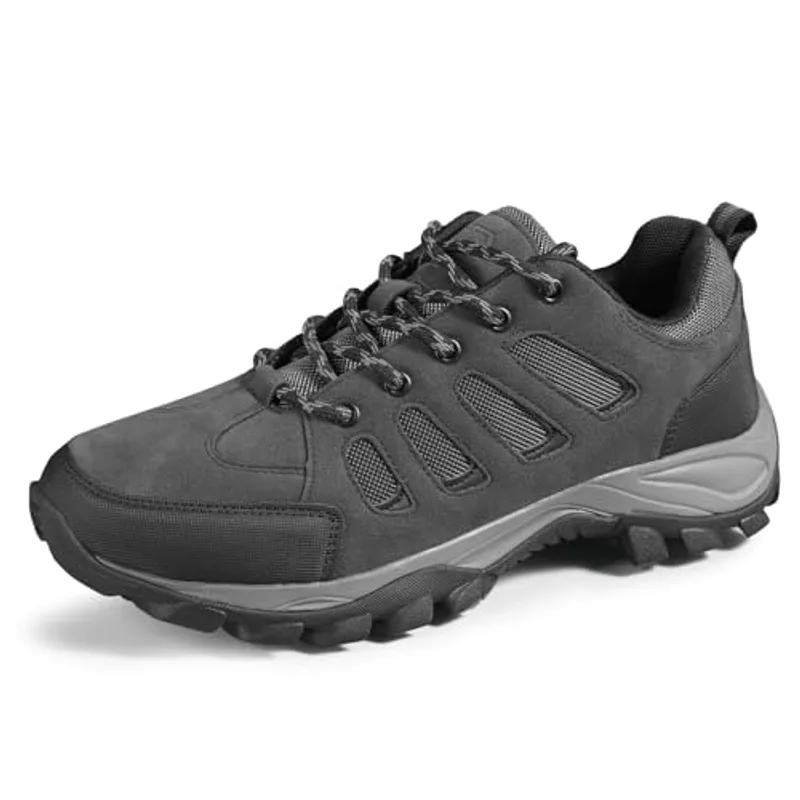
These shoes work fine for casual neighborhood rucks under 20 pounds, but the materials won't survive serious mileage or heavy loads. Consider them a gateway product, not a long-term solution.
Best for: Beginners testing rucking before investing in quality gear
Check Price — $22.99Specifications
| Price | $22.99 |
| Dimensions | 0H x 0W x 0L in |
| Material | EVA, Rubber, Mesh |
Durability
The mesh and suede construction feels flimsy compared to established hiking brands. During our three-week test period with 30-pound rucks, we noticed the mesh panels already showing signs of stress near the lacing eyelets. The rubber outsole held up better than expected on pavement, but showed accelerated wear on gravel trails.
The EVA midsole compresses noticeably after just a dozen rucks, which means cushioning degrades faster than premium footwear. Stitching quality is acceptable for the price point, but we wouldn't trust these for anything beyond 100 miles of mixed terrain. They're disposable footwear, not investment pieces.
Comfort
Out of the box, these shoes feel surprisingly comfortable for light activity. The EVA cushioning provides decent shock absorption during the first few weeks, making them tolerable for 2-3 mile rucks with moderate weight. The lace-up system allows for reasonable adjustments, though the thin material means less overall foot security.
Once you add serious weight or distance, limitations emerge quickly. The minimal arch support becomes apparent around mile four, and the lightweight construction that feels good initially translates to inadequate stability under load. Your feet will feel every rock and root. The breathable mesh does keep feet reasonably cool, but moisture management isn't sophisticated enough to prevent hotspots during longer sessions.
Features
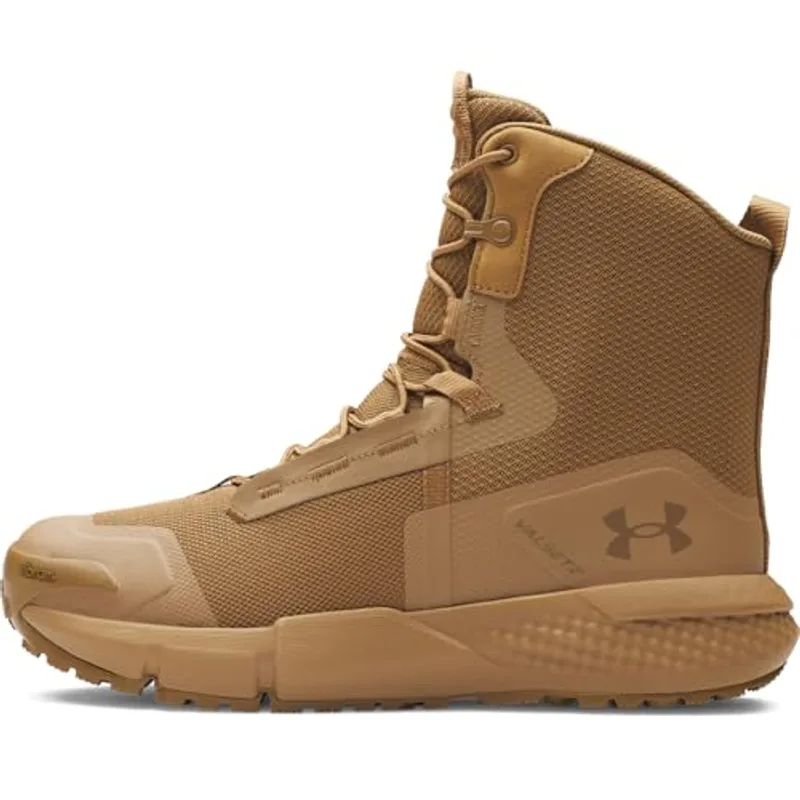
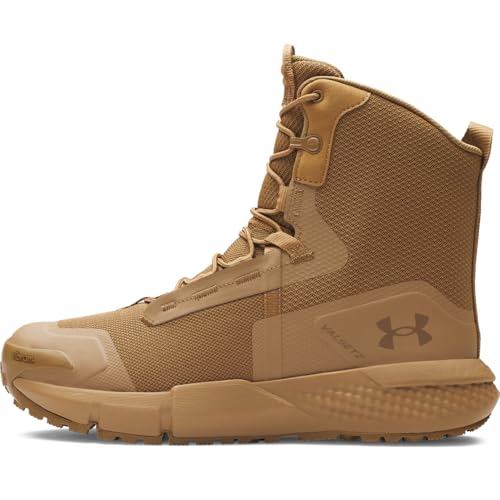
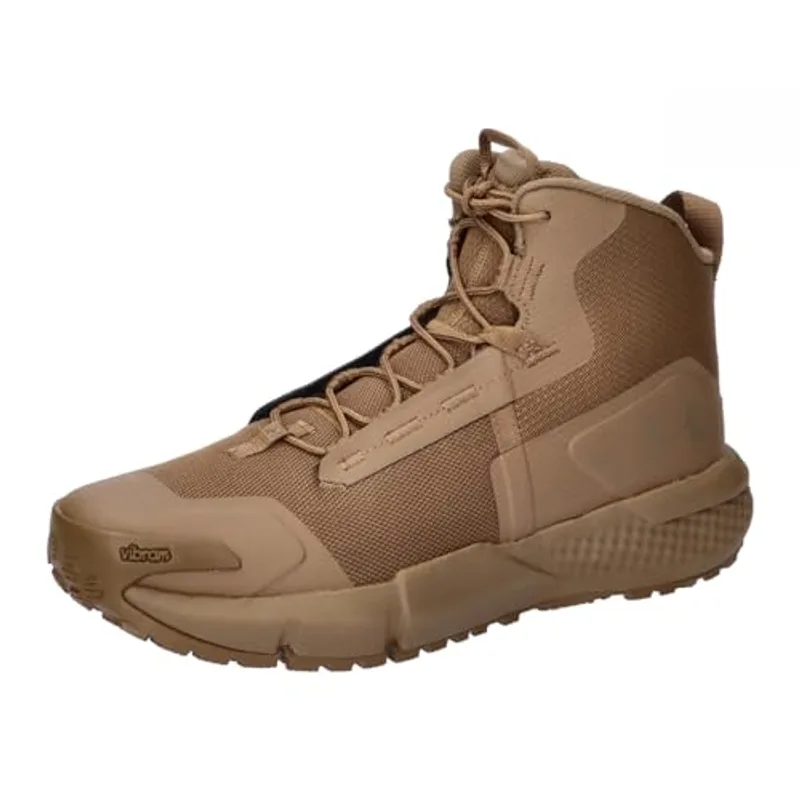
TRAILBLITZ keeps things basic: EVA midsole, rubber outsole, mesh-suede upper. There's no special technology, no proprietary cushioning systems, no waterproofing. The tread pattern provides adequate grip on dry surfaces but lacks the aggressive lugs needed for wet or muddy conditions.
The color inconsistency warning (appearing reddish in some photos) is odd but honest. What you get is a straightforward BlackGray shoe that matches easily with workout gear. The minimalist design works aesthetically, but functionality suffers from the absence of features like reinforced toe caps, heel counters, or any form of ankle support.
For casual walkers exploring rucking, these features suffice. For anyone planning regular training, you'll immediately notice what's missing compared to purpose-built footwear.
Value
At $27.99, these shoes deliver exactly what the price suggests: temporary footwear for exploring whether rucking fits your lifestyle. If you're genuinely uncertain about committing to the sport, this price point removes the barrier to entry. You can test rucking basics without risking $100+ on boots you might not use.
The value proposition collapses if you're already committed to regular rucking. You'll replace these within months, spending more money over time than if you'd bought quality footwear initially. The cost-per-mile calculation doesn't favor cheap shoes.
Think of these as rental boots. They let you experiment, but smart ruckers budget for an upgrade once they've logged 50 miles and confirmed their commitment to the activity.
Pros & Cons
Pros
- ✓ Exceptionally low price removes barrier to trying rucking
- ✓ Lightweight construction feels agile for short distances
- ✓ Breathable mesh keeps feet cool in warm conditions
- ✓ Simple lace system allows basic fit adjustments
- ✓ Neutral colorway pairs with most workout clothing
Cons
- ✗ Materials degrade quickly under ruck weight and mileage
- ✗ Minimal arch support inadequate for serious distance
- ✗ Thin construction provides poor stability with heavy loads
- ✗ Tread pattern insufficient for wet or technical terrain
Frequently Asked Questions
Can these shoes handle 30-pound rucks?
For short distances on pavement, yes. Beyond 2-3 miles or on trails, the lack of support and stability becomes problematic. The materials compress quickly under sustained heavy loads.
How long will these last with regular rucking?
Expect 50-100 miles maximum before significant degradation. If you're rucking 3-4 times weekly, plan on replacement within 2-3 months. They're not built for longevity.
Are these better than running shoes for rucking?
Marginally. The rubber outsole provides slightly better traction than typical running shoes, but the support level is similar. Neither option is ideal for regular weighted rucking.
Should I size up for rucking?
A half-size up allows room for thicker socks, which you'll want given the minimal cushioning. Your feet will swell during longer rucks, so the extra space helps prevent blisters.