Trail-Tested Comfort for Urban and Dirt Rucking
The Moab line has earned its reputation as the workhorse of hiking footwear, and the third generation doesn't disappoint. For ruckers who prefer low-cut shoes over boots, the Moab 3 delivers the stability and protection you need without unnecessary weight.
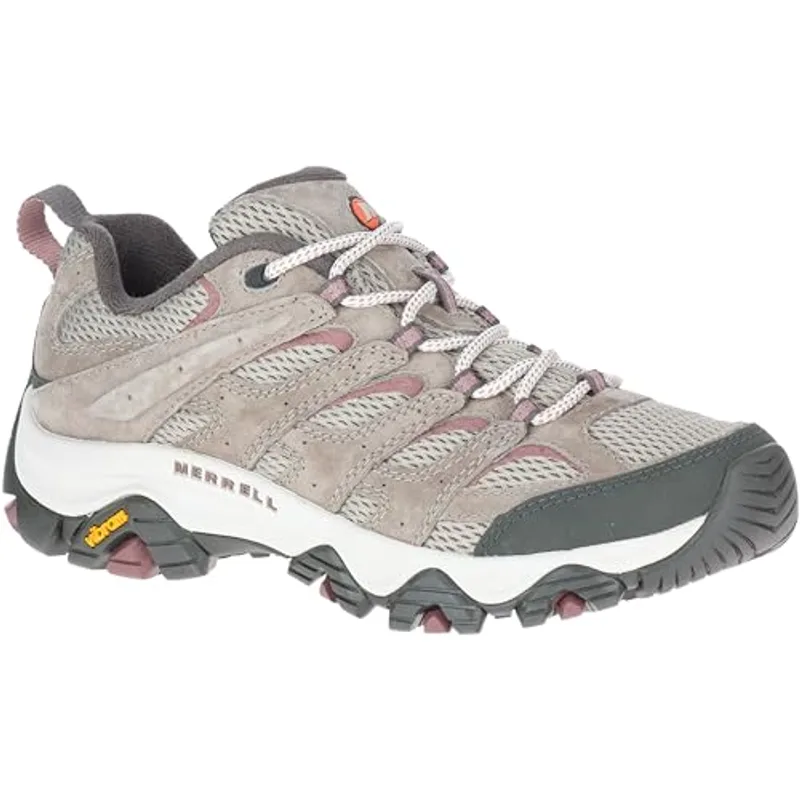
At $127, the Moab 3 offers legitimate trail performance for ruckers who value proven durability and comfort. It's not the lightest option, but it's built to last through hundreds of miles.
Best for: Ruckers seeking proven trail durability in low-cut footwear
Check Price — $129.95Specifications
| Price | $129.95 |
| Weight | 1.5 lbs |
| Dimensions | 6H x 9W x 14L in |
| Material | Leather, Mesh, Suede |
Durability
The pig suede leather and mesh upper construction strikes the right balance between breathability and toughness. We've seen Moab shoes survive years of trail abuse, and the reinforced toe cap adds protection where ruckers need it most during uneven terrain.
The Vibram TC5+ outsole is the real durability standout here. Vibram rubber consistently outlasts generic compounds, and we appreciate that Merrell didn't cheap out on the contact point that matters most. The 100% recycled laces and webbing hold up better than you'd expect from eco-friendly materials.
Comfort
The Kinetic Fit ADVANCED insole provides genuine arch support without feeling stiff. Ruckers carrying 20-40 pounds will appreciate the reinforced heel cushioning, which prevents the foot fatigue that typically hits around mile three.
The bellows tongue actually works—debris stays out during trail rucks, and the mesh lining breathes well enough for summer miles without creating hot spots. At 1.5 pounds per pair, these feel substantial but not clunky. The Merrell Air Cushion system in the heel absorbs impact effectively, though it's not as responsive as dedicated running shoe cushioning.
Features
The molded nylon arch shank adds midfoot stability that ruckers need when carrying load over uneven ground. Combined with the EVA midsole, you get a platform that resists twisting without feeling rigid.
The 100% recycled mesh lining and laces show Merrell's commitment to sustainability without sacrificing performance. The removable insole lets you swap in custom orthotics if needed. The protective toe cap sits low enough to avoid looking bulky while still preventing stubbed toes on rocks and roots.
Value
At $127, the Moab 3 sits in the competitive middle ground for hiking shoes. You're paying for Vibram soles and legitimate durability rather than marketing hype. Cheaper alternatives exist, but they rarely last beyond 200 miles of loaded rucking.
The real value proposition is longevity. If you're rucking three to five times weekly, these should deliver a full year of service, making the cost-per-mile reasonable. The recycled materials add environmental value without premium pricing.
Pros & Cons
Pros
- ✓ Vibram TC5+ outsole delivers exceptional traction and durability
- ✓ Kinetic Fit insole provides genuine arch support for loaded miles
- ✓ Bellows tongue effectively blocks trail debris
- ✓ Proven Moab platform refined over three generations
- ✓ Breathable mesh construction prevents overheating
Cons
- ✗ At 1.5 pounds, heavier than minimalist rucking shoes
- ✗ Low-cut design offers less ankle support than boots
- ✗ Break-in period required for optimal comfort
Frequently Asked Questions
Are the Moab 3s good for rucking with weight?
Yes, the reinforced heel cushioning and arch shank provide adequate support for 20-40 pound rucks. The Vibram sole maintains traction under load.
How do these compare to the Moab 2?
The Moab 3 features improved cushioning, a more breathable upper, and recycled materials. The fit remains consistent with previous generations.
Do I need to size up?
Most ruckers find true-to-size works well. If you wear thick socks or have wide feet, consider going up a half size.
Can these handle wet conditions?
The mesh upper breathes well but isn't waterproof. For wet rucking, consider the Moab 3 waterproof variant.
What's the expected lifespan?
With regular rucking 3-5 times weekly, expect 200-300 miles before the midsole compression becomes noticeable. The Vibram outsole typically outlasts the midsole.