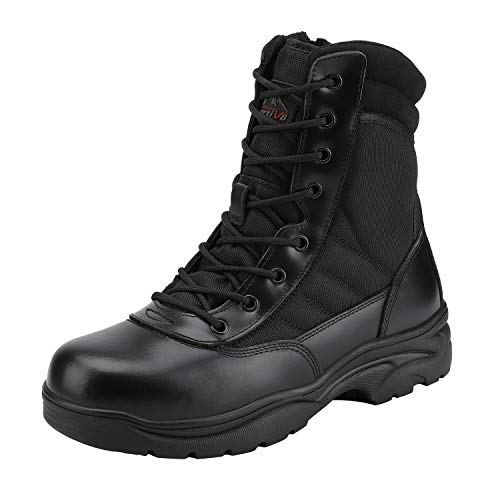
Budget Trail Shoe Meets Light Rucking Duty
The New Balance 410 V9 drops to $52.49, making it an interesting budget option for ruckers who want trail capability without the premium price tag. It's a running shoe first, but the specs suggest potential for light ruck work.

At $52.49, the 410 V9 offers solid value for occasional ruckers or those testing the waters. The cushioning impresses, but dedicated ruckers will want more robust construction.
Best for: Budget-conscious ruckers carrying light to moderate loads occasionally
Check Price — $52.49Specifications
| Price | $52.49 |
| Material | Mesh |
Durability
The reinforced overlays and mesh upper construction handle light trail abuse adequately. The AT Tread outsole shows reasonable wear resistance for the price point, though it won't match dedicated hiking boots.
This is a running shoe adapted for trails, not a ruck-specific design. Expect decent longevity under 20-30 pound loads for shorter sessions. Heavy ruckers or those logging serious mileage weekly should look elsewhere. The mesh breathes well but sacrifices some protective durability you'd get from leather or synthetic leather uppers.
Comfort
The Fresh Foam and BIO Foam dual-cushioning system delivers impressive underfoot comfort for a sub-$60 shoe. The midsole engineering absorbs trail chatter effectively, reducing fatigue on uneven terrain.
The breathable mesh keeps feet cool during summer rucks, though you'll sacrifice warmth in cold weather. The traditional lace-up closure provides adequate lockdown, allowing you to dial in fit for loaded carries. Break-in period is minimal—most ruckers can wear these out of the box without hot spots.
Features
The AT Tread outsole handles mixed terrain competently, gripping both pavement and dirt trails without specializing in either. It's genuinely versatile for ruckers who transition between environments.
Fresh Foam cushioning strikes a balance between comfort and ground feel. You won't get the rigid stability of a hiking boot, but you'll maintain better proprioception than heavily cushioned trainers. The lightweight construction won't bog you down, though it also means less structure under heavy loads. Think 15-25 pounds maximum for comfortable use.
Value
At $52.49, down from $69.99, the 410 V9 represents legitimate budget value. You're getting New Balance's cushioning technology at a price point where most competitors offer basic foam and generic construction.
This is entry-level territory—perfect for ruckers who split time between running and light rucking, or those who need a backup pair. The price drop makes these particularly attractive for beginners unwilling to invest $120+ before knowing if rucking sticks. For dedicated ruckers carrying heavy loads regularly, spend more. For everyone else testing the sport or keeping mileage light, this price-to-performance ratio works.
Pros & Cons
Pros
- ✓ Fresh Foam cushioning delivers genuine comfort under light loads
- ✓ AT Tread outsole handles mixed terrain confidently
- ✓ Breathable mesh keeps feet cool during warm weather rucks
- ✓ $52.49 price point offers strong value for casual ruckers
- ✓ Minimal break-in required for immediate use
- ✓ Lightweight construction won't fatigue legs prematurely
Cons
- ✗ Running shoe DNA limits durability under heavy ruck loads
- ✗ Mesh construction lacks weather protection for cold/wet conditions
- ✗ Not enough structure for ruckers carrying 40+ pounds regularly
- ✗ Generic styling won't appeal to tactical aesthetics
Frequently Asked Questions
Can the New Balance 410 V9 handle rucking with weight?
Yes, but keep loads to 15-25 pounds. The cushioning system and trail construction work fine for light rucking, but this is fundamentally a running shoe. Heavier loads require more robust footwear with better ankle support and reinforced construction.
How does the AT Tread outsole perform on different surfaces?
The AT Tread delivers versatile traction on both pavement and dirt trails. It grips well enough for moderate inclines and handles wet grass adequately, though it won't match dedicated trail boots on technical terrain or mud. Good for mixed-surface rucking routes.
Is the mesh upper durable enough for regular rucking?
For occasional rucking or lighter loads, yes. The reinforced overlays add some protection, and the breathability helps with temperature regulation. However, expect faster wear than leather boots. Budget for replacement after 200-300 miles of loaded use.
How does the cushioning feel compared to hiking boots?
Much softer and more responsive. The Fresh Foam and BIO Foam combination provides running shoe comfort rather than hiking boot stability. You'll feel more ground feedback and less fatigue on shorter rucks, but sacrifice the rigid support needed for heavy loads or long distances.
Are these good for someone new to rucking?
Absolutely. At $52.49, they're an affordable way to start rucking without committing to expensive boots. The comfort and versatility let beginners focus on form and mileage. Upgrade to dedicated ruck footwear once you know your commitment level and typical load requirements.