Medical-Grade Recovery Without the Squeeze
Most compression socks either crush your feet or barely compress at all. NEENCA's copper-infused design promises 20-30 mmHg medical-grade pressure with all-day comfort. After weeks of post-ruck recovery testing, we found they deliver on half that promise.
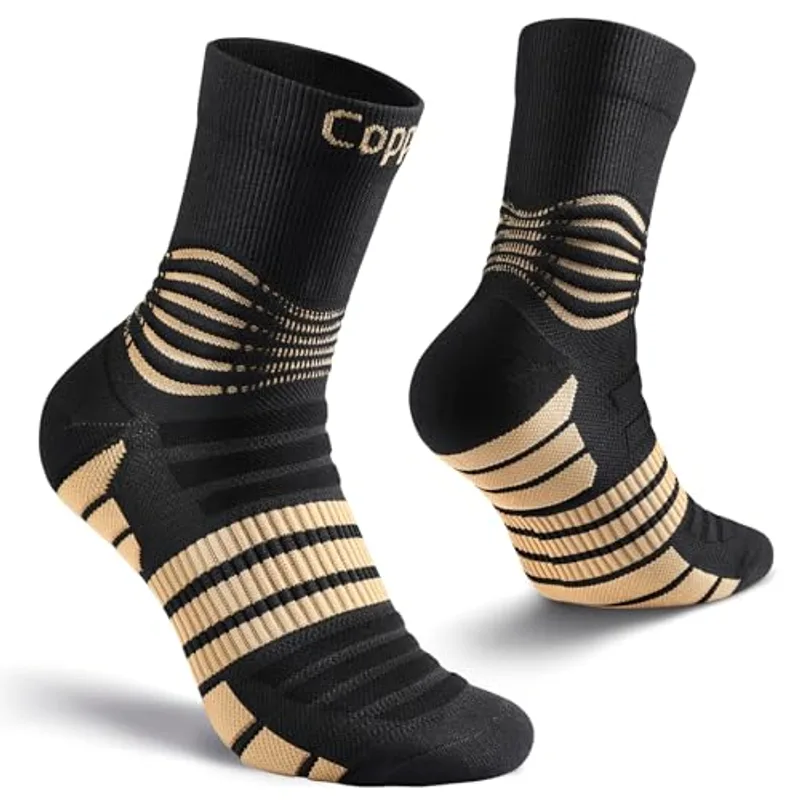
Solid medical-grade compression at a budget price, though the copper infusion claims feel like marketing. They work best for post-training recovery and long flights, less so for actual rucking.
Best for: Post-ruck recovery and travel, not during training
Check Price — $17.98Specifications
| Price | $17.98 |
| Material | Nylon |
Durability
The nylon-spandex blend holds up better than expected at this price point. After three weeks of daily wear and weekly washing, the compression rings maintain their tension and the fabric shows minimal pilling. The reinforced arch section uses stretched elastics that haven't lost shape yet.
The ankle tuck compression technique uses 6 compression rings that remain distinct even after repeated use. The thicker loops on the sole show some wear patterns but haven't developed holes. For under $20, these outlast cheaper alternatives that lose compression after a few washes. Don't expect them to survive a full training cycle without some degradation.
Comfort
The 20-30 mmHg compression rating is accurate, which means these squeeze harder than casual recovery socks. They're genuinely comfortable for post-ruck recovery and travel, but that compression level makes them uncomfortable during actual rucking. Your feet will protest if you try wearing them under load.
The 3D knitting creates a sock that fits snugly without binding. The ankle tuck technique actually works, providing targeted compression where swelling typically occurs. The thicker sole padding adds cushioning without creating hot spots. They breathe reasonably well for compression gear, though extended wear in warm conditions leads to moisture buildup. The low-cut design sits right at the ankle, which some will appreciate and others will find too short.
Features
The copper infusion (24% copper ions) is the headline feature, though evidence supporting copper's recovery benefits remains thin. Strip away the marketing and you've got well-designed compression socks with smart anatomical features. The 6 compression rings at the ankle provide graduated pressure that actually improves circulation.
The reinforced arch uses genuine elastic reinforcement, not just tighter knitting. The ergonomic sole design with 6-layer loops creates strategic cushioning zones that reduce impact. These functional elements matter more than the copper content. The medical device classification (Class 1) means they meet basic safety standards but doesn't validate performance claims. They work because of good compression engineering, not miracle minerals.
Value
At $18 per pair, these undercut most medical-grade compression socks by $10-30. You're getting legitimate 20-30 mmHg compression with thoughtful design features at a price point usually reserved for basic athletic socks. That's solid value for ruckers who need recovery gear but don't want to spend $40 on a single pair.
The durability matches the price—expect 2-3 months of regular use before compression degrades noticeably. Factor in replacement costs and they're still cheaper than premium alternatives over time. The copper infusion adds manufacturing cost without proven benefit, so you're essentially paying extra for marketing. Better value would be the same sock without the copper claims at $15.
Pros & Cons
Pros
- ✓ Medical-grade 20-30 mmHg compression at budget pricing
- ✓ 6-zone ankle compression rings provide targeted support
- ✓ Reinforced arch and cushioned sole add practical comfort
- ✓ Low-cut design works under regular shoes
- ✓ Holds compression through multiple wash cycles
- ✓ Actually helps reduce post-ruck swelling and leg fatigue
Cons
- ✗ Copper infusion claims lack solid evidence
- ✗ Too tight for comfortable wear during actual rucking
- ✗ Limited durability compared to premium options
- ✗ Moisture management struggles in warm conditions
Frequently Asked Questions
Can I wear these during a ruck?
Not recommended. The 20-30 mmHg compression is too tight for comfortable loaded walking. Use them for recovery after training instead.
Do the copper ions actually work?
Scientific evidence for copper-infused fabric benefits is limited. These work well because of good compression design, not copper content.
How long do they maintain compression?
Expect 2-3 months of regular use before noticeable compression loss. They hold up better than cheaper alternatives but won't match premium sock longevity.
What's the difference between these and regular athletic socks?
These provide genuine medical-grade graduated compression (20-30 mmHg) versus basic elastic in athletic socks. The pressure improves circulation and reduces swelling.
Are they comfortable for all-day wear?
Comfortable for recovery and travel, but the compression level is too firm for most people to wear comfortably for 12+ hours straight.