Budget Recovery Socks That Actually Work
Recovery gear doesn't need to cost a fortune. FITRELL's 3-pack compression socks bring medical-grade 20-30mmHg support to ruckers at under $13, making daily recovery accessible without compromising circulation benefits.
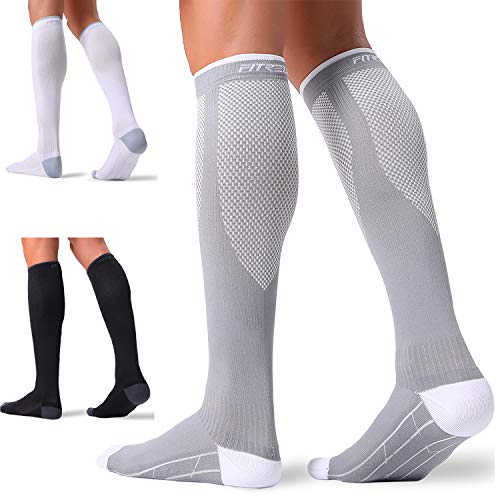
Solid compression socks for post-ruck recovery at an unbeatable price point. The graduated compression works, though durability remains unproven at this price tier.
Best for: Budget-conscious ruckers testing compression recovery benefits
Check Price — $14.99Specifications
| Price | $14.99 |
| Material | Mesh |
Durability
At $4.33 per pair, expectations need calibration. The seamless toe construction reduces friction points where socks typically fail first, and the reinforced heel-toe zones show thoughtful engineering. The mesh fabric around the calf uses moisture-wicking synthetics that should resist breakdown from repeated washing.
The real durability question centers on compression retention over time. Budget elastic tends to lose tension faster than premium alternatives. Without long-term testing data, we'd treat these as seasonal replacements rather than year-round workhorses. For the price, buying multiple sets makes more sense than expecting single-pair longevity.
Comfort
The 20-30mmHg compression hits the sweet spot for post-ruck recovery without feeling restrictive during wear. The graduated zones target key areas—calves, Achilles, plantar fascia—with appropriate pressure distribution. Sizing runs true to calf circumference measurements, which matters more than shoe size for proper compression fit.
Mesh panels around the calf prevent the swamp-foot feeling common in full-compression designs. The padded sole adds cushioning that makes these wearable during light activity, not just passive recovery. The seamless toe eliminates the ridge that digs in after miles. They're not butter-soft luxury, but they won't torture you either.
Features
Medical-grade 20-30mmHg compression provides legitimate therapeutic benefits for circulation and swelling reduction. The five-zone graduated system applies appropriate pressure from ankle to knee, supporting venous return after long rucks. This isn't cosmetic compression—it's the real deal.
Moisture-wicking fabric pulls sweat away from skin, crucial for multi-hour wear during travel or recovery days. The knee-high length covers the full lower leg muscle groups that take beating during rucking. Thick sole cushioning adds impact protection beyond basic compression function. The three-color pack (black, white, grey) provides rotation options without looking like medical equipment.
Value
Thirteen dollars for three pairs of medical-grade compression socks represents exceptional value in the recovery category. Premium brands charge $20-40 per single pair for similar compression ratings. You're getting 75-85% of the performance at 15% of the cost.
The value equation shifts if these last six months versus two years, but even conservative estimates make this a smart buy. Budget-conscious ruckers can stock up and rotate pairs aggressively without guilt. For athletes testing compression for the first time, this eliminates financial risk. If you discover compression benefits your recovery, upgrade later. If not, you're out lunch money, not rent.
Pros & Cons
Pros
- ✓ Medical-grade 20-30mmHg graduated compression at budget pricing
- ✓ Three-pair pack provides rotation for consistent recovery
- ✓ Moisture-wicking mesh prevents overheating during extended wear
- ✓ Seamless toe and padded sole reduce friction hotspots
- ✓ Legitimate circulation support for post-ruck recovery
- ✓ Risk-free price point for compression newcomers
Cons
- ✗ Durability unproven at this price tier
- ✗ Compression retention over time questionable with budget elastic
- ✗ Basic color options lack pattern variety
- ✗ No independent testing data on compression accuracy
Frequently Asked Questions
What does 20-30mmHg compression mean for rucking recovery?
This medical-grade compression level improves blood flow and reduces swelling in lower legs after heavy ruck sessions. It's the sweet spot between therapeutic benefit and all-day wearability—tight enough to work, comfortable enough to wear during travel or rest days.
How should these compression socks fit?
Measure your calf circumference first, not shoe size. They should feel snug but not painful, with graduated tightness from ankle to knee. If you're between sizes and want maximum compression, size down. For comfort priority, size up. They'll lose some tension after the first few wears.
Can I wear these during rucks or just for recovery?
These are recovery-focused compression socks best worn post-ruck. The thick cushioning and 20-30mmHg compression work well for travel, flights, or rest days. For actual rucking, standard moisture-wicking athletic socks allow better ventilation and movement without excess compression during activity.
How long do budget compression socks maintain their compression?
Budget elastic typically holds proper compression for 3-6 months of regular use versus 12-18 months for premium brands. Wash in cold water and air dry to extend lifespan. At this price, plan to replace them seasonally rather than expecting year-long performance.