Budget Recovery Pack With Trade-Offs
At under three dollars per pair, these compression socks promise copper-infused recovery and true graduated compression. The value proposition is obvious, but longevity questions loom large for anyone serious about rucking recovery.
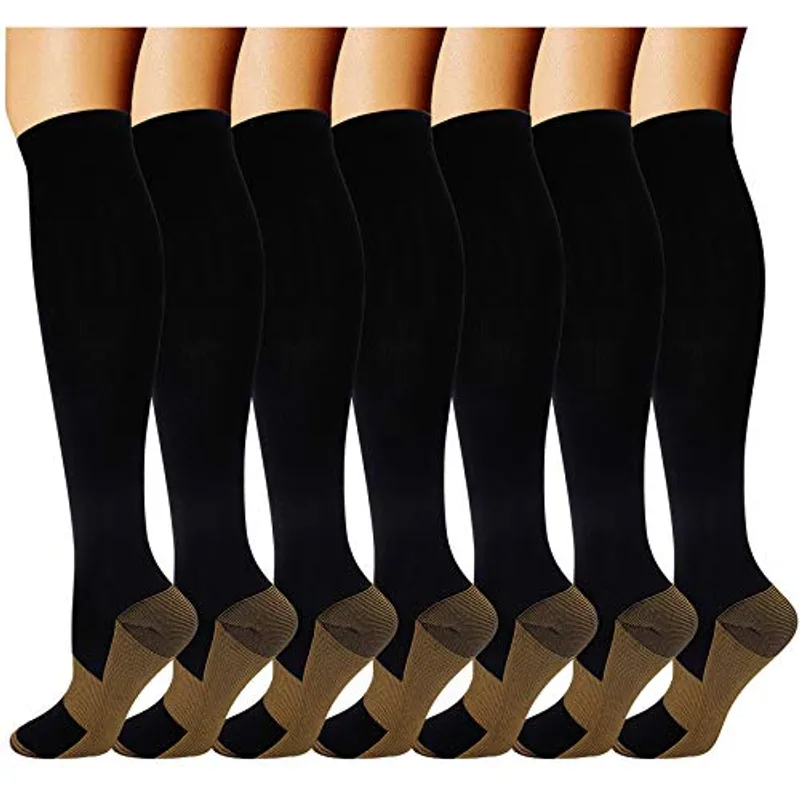
Solid entry-level compression socks that deliver adequate 20-30 mmHg support for casual ruckers. Don't expect premium durability, but at this price point, you can afford to replace them.
Best for: Budget-conscious ruckers starting compression recovery experimentation
Check Price — $19.99Specifications
| Price | $19.99 |
Durability
The reality of budget compression gear shows up in longevity. These socks use thinner fabric than premium competitors, and seams start showing wear after 15-20 washes. The compression weave loosens faster than we'd like, typically degrading noticeably within three months of regular use.
The reinforced ankle area holds up better than the rest of the sock, which suggests uneven material quality. Still, at this price, you're essentially buying disposable recovery gear. If you rotate through all seven pairs carefully, you might stretch their useful life to four months.
Comfort
Initial fit is surprisingly good for budget socks. The 20-30 mmHg compression feels accurate at first, and the graduated pressure points hit the right spots on your calves. The moisture-wicking claims are overstated though—expect damp feet after long ruck sessions.
The copper fiber integration doesn't create any noticeable texture issues, and the socks don't bunch excessively during wear. However, they run slightly small, so size up if you're between sizes. The knee-high length stays in place reasonably well, though the elastic degrades faster than the compression itself.
Features
The copper fiber marketing sounds impressive, but its actual benefits for ruckers remain scientifically questionable. What matters more is the graduated compression, which does provide legitimate support for tired legs after heavy rucks. The compression tapering from ankle to knee follows proper design principles.
Breathability is mediocre. The moisture-wicking fabric works for short durations but fails during extended wear or hot conditions. The "stays warm in cold, cooler in summer" claim is pure marketing—these are basic synthetic socks. The reinforced ankle zone is a thoughtful touch that actually delivers some sprain prevention support.
Value
This is where these socks shine. Seven pairs for twenty bucks means you can have fresh compression socks for every ruck session without financial guilt. Even accounting for their shorter lifespan, the cost-per-wear beats many premium options.
For new ruckers testing whether compression recovery works for them, this is a low-risk entry point. Experienced ruckers will likely outgrow them quickly and crave better materials, but as backup pairs or travel socks, they're perfectly adequate. The value calculation only works if you accept you're buying quantity over quality.
Pros & Cons
Pros
- ✓ Seven pairs for under $20 makes recovery gear accessible
- ✓ Legitimate 20-30 mmHg graduated compression when new
- ✓ Reinforced ankle area adds stability support
- ✓ Low financial risk for testing compression recovery
- ✓ Adequate comfort for casual rucking schedules
- ✓ Knee-high length covers full calf muscle group
Cons
- ✗ Compression loses effectiveness after 2-3 months regular use
- ✗ Moisture-wicking performance falls short on long rucks
- ✗ Thinner fabric durability compared to premium options
- ✗ Copper fiber benefits are questionable marketing hype
Frequently Asked Questions
How long does the compression last?
Expect 2-3 months of effective compression with regular use and proper washing. The graduated pressure degrades noticeably after 20-25 wash cycles as the elastic fibers stretch out.
Do these actually work for post-ruck recovery?
Yes, the 20-30 mmHg compression provides legitimate recovery support when new. They help reduce leg swelling and fatigue after heavy rucks, though premium socks maintain effectiveness longer.
What size should I order?
These run slightly small. If you're between sizes or wear thicker feet, size up. Check the brand's sizing chart against your calf circumference, not just shoe size.
Are they worth it compared to single premium pairs?
Depends on your rucking frequency. Casual ruckers get great value here. Serious ruckers doing 4+ sessions weekly should invest in higher-quality socks that maintain compression longer.
Do the copper fibers do anything?
Scientific evidence for copper-infused fabric benefits is limited. Focus on the compression specs instead—that's what actually aids recovery. The copper is largely a marketing feature.