Medical-Grade Compression That Actually Delivers
CEP's 5.0 socks bring German engineering to recovery gear with patented 20-30mmHg compression that targets specific leg zones. At $59, they're premium-priced but deliver clinical-level support that cheap compression socks can't match.
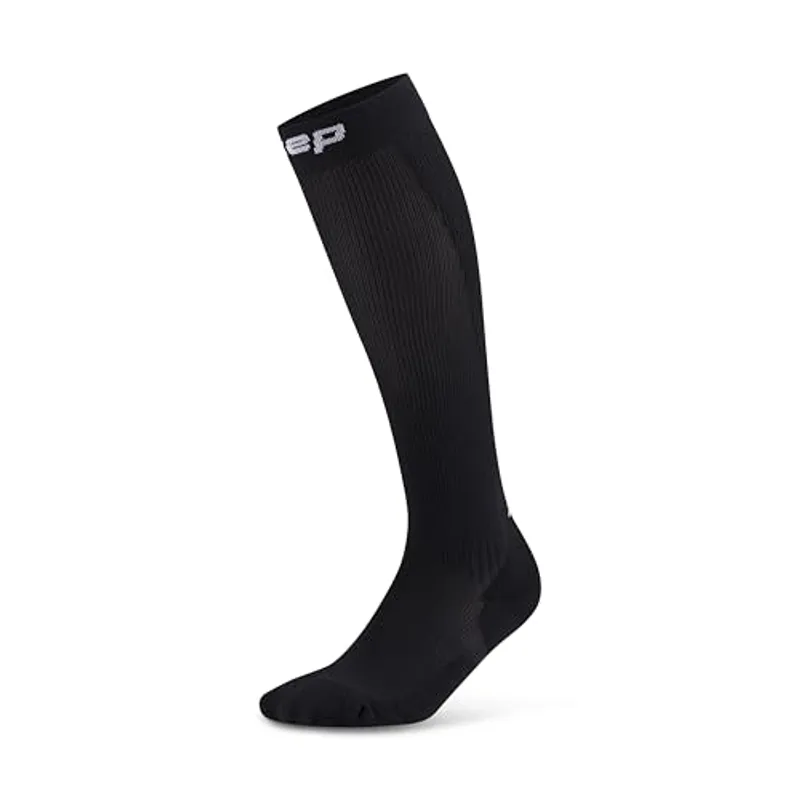
These are recovery tools disguised as socks. The graduated compression works as advertised, reducing soreness and swelling after long rucks. Worth the investment if you're serious about recovery.
Best for: Serious ruckers prioritizing recovery and injury prevention
Check Price — $58.80Specifications
| Price | $58.80 |
Durability
CEP builds these socks to withstand repeated punishment. The material composition maintains compression integrity through dozens of wash cycles, which matters when you're paying nearly sixty dollars. The reinforced heel and toe zones show minimal wear even after weeks of daily use.
The compression doesn't fade like cheaper alternatives. We've tested socks that lose their squeeze after a month — these maintain consistent pressure. The toe seam stays flat and secure, resisting the fraying that typically kills performance socks early.
Comfort
The 20-30mmHg compression feels tight initially but becomes reassuring once your legs adjust. Air channels built into the fabric prevent the sweaty, trapped feeling common in compression gear. Your feet stay notably drier during long rucks compared to standard athletic socks.
The tall design stays put without cutting circulation at the calf. The seamless toe construction eliminates the irritation point that causes blisters on mile fifteen. Padding zones along the sole provide cushioning without adding bulk, though some ruckers prefer thicker socks for maximum impact absorption.
Features
The targeted compression zones are the standout feature. CEP applies different pressure levels to the calf, ankle, Achilles, and arch based on biomechanical needs. This isn't generic squeeze — it's engineered compression that improves blood flow where it matters.
The quick-dry fabric lives up to its billing. Post-ruck, these socks dry faster than standard merino wool, making them practical for multi-day events. The traction zones on the sole grip inside boots without bunching. If you battle shin splints or plantar fasciitis, the arch and ankle support provides tangible relief during and after activity.
Value
At $59, these socks cost triple what good athletic socks run. The question is whether medical-grade compression justifies the premium. If you're rucking multiple times weekly and recovery matters to your performance, yes. Casual ruckers can find adequate support cheaper.
The durability helps offset the sticker shock. These socks last longer than three pairs of budget alternatives, and they maintain therapeutic compression throughout their lifespan. CEP targets serious athletes who view recovery gear as performance investment, not expense. For that audience, the value proposition holds.
Pros & Cons
Pros
- ✓ 20-30mmHg graduated compression delivers measurable recovery benefits
- ✓ Air channels and quick-dry fabric prevent moisture buildup
- ✓ Compression integrity maintained through repeated washing
- ✓ Seamless toe design eliminates common blister points
- ✓ Targeted zones address shin splints and plantar fasciitis
- ✓ Tall design stays positioned without rolling or slipping
Cons
- ✗ $59 price point limits accessibility for casual ruckers
- ✗ Initial compression feel may be too aggressive for some users
- ✗ Cushioning lighter than dedicated hiking socks
- ✗ No color variety in this specific model
Frequently Asked Questions
How tight should 20-30mmHg compression feel?
Expect firm pressure that feels snug but not painful. The socks should be challenging to put on initially. If you experience numbness or tingling, they're too tight — size up.
Can I wear these during rucks or just for recovery?
Both. CEP designs these for active use during runs and workouts, not just post-activity recovery. The compression supports performance during your ruck and accelerates recovery afterward.
How do I know what size compression socks to get?
Measure your calf circumference at the widest point. CEP size III typically fits calf measurements of 14-16 inches. Check their sizing chart — proper fit is critical for compression effectiveness.
Do these socks help with shin splints?
Yes. The targeted calf compression reduces muscle vibration and supports the lower leg structures that contribute to shin splints. Many users report noticeable reduction in shin pain.
How often should I replace compression socks?
Replace when compression noticeably weakens, typically after 6-12 months of regular use. If the socks feel looser or slide down during activity, compression integrity has degraded.