Effective Recovery Without the Torture Session
Most foam rollers force you to choose between ineffective smoothness or painful aggression. The 321 STRONG splits that difference with a patented projection design that actually works into muscle tissue without making you wince. At $26, it's positioned as a budget-friendly recovery tool, but the real question is whether it holds up to serious post-ruck use.
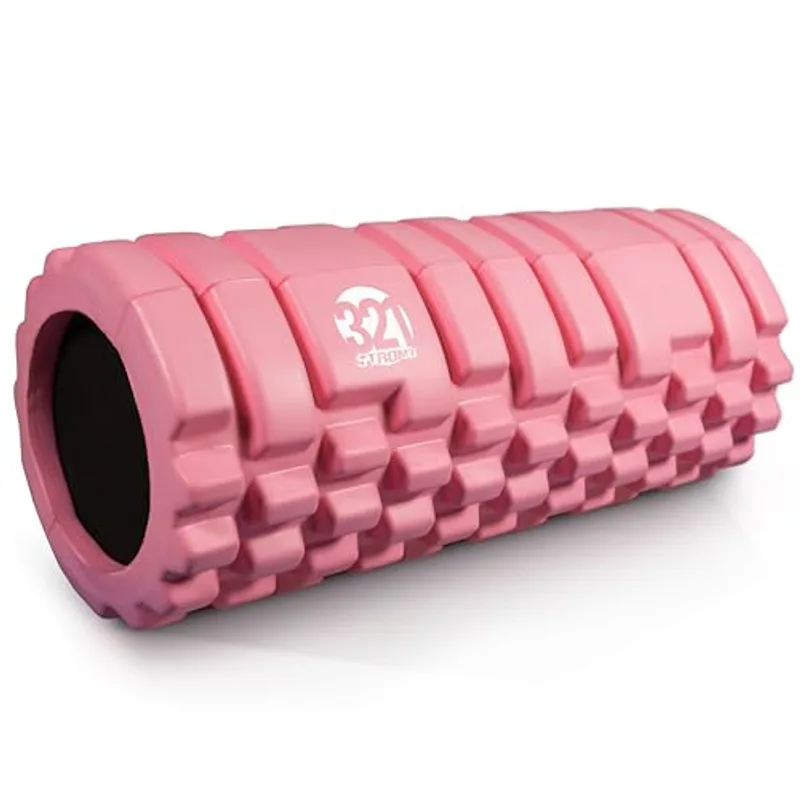
This roller delivers legitimate deep tissue work at a reasonable price point. The EVA foam projections provide targeted relief without crossing into painful territory, making it ideal for consistent recovery routines after heavy ruck sessions.
Best for: Budget-conscious ruckers needing consistent post-workout myofascial release
Check Price — $25.91Specifications
| Price | $25.91 |
| Weight | 0.54 lbs |
| Dimensions | 5.3H x 5.3W x 12.5L in |
| Material | EVA |
Durability
The EVA foam construction wrapped around a lightweight core presents a typical durability profile for this price range. There's no hard plastic to crack, which eliminates one common failure point, but EVA foam will compress over time with heavy use. The closed-cell construction resists moisture and bacteria better than open-cell alternatives.
For occasional recovery sessions, this roller should last several years. If you're foam rolling daily after intense rucks, expect the projections to soften within 12-18 months. At 0.69 pounds, the lightweight core trades some structural rigidity for portability. It won't deform under body weight, but aggressive use may accelerate wear on the foam surface.
Comfort
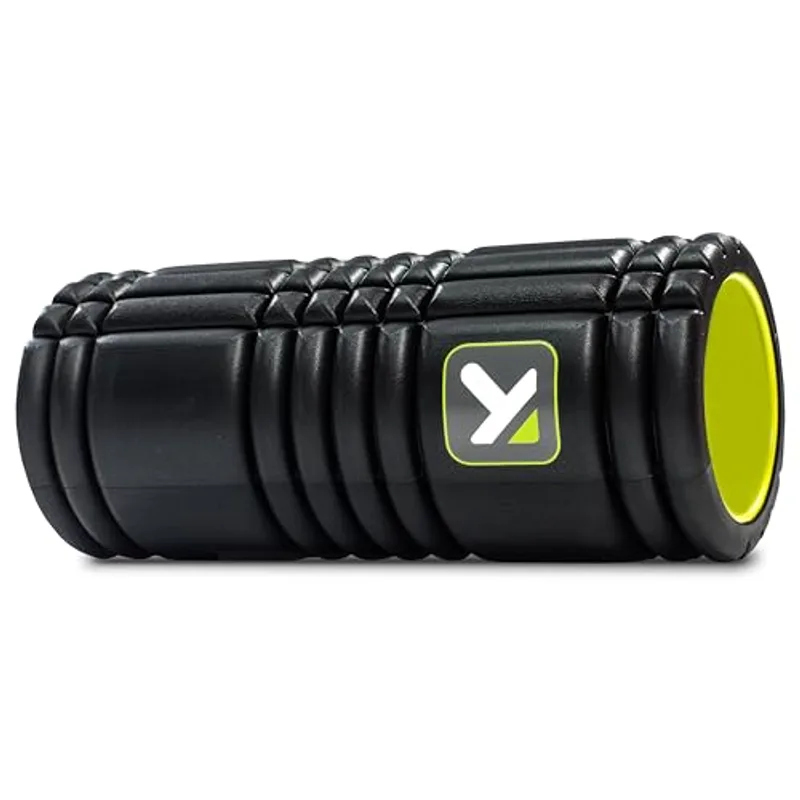
The three-zone projection system actually works as advertised. Smaller projections mimic fingertips for gentler work, mid-size ones provide thumb-like pressure, and larger projections deliver palm-heel intensity. This graduated approach lets you control penetration depth based on which body area you're targeting.
The medium density hits a sweet spot between therapeutic effectiveness and tolerable discomfort. Rolling your IT bands or thoracic spine won't feel pleasant, but it won't make you quit halfway through either. The projections extend into fascia without the aggressive bite of harder rollers or lacrosse balls. For ruckers dealing with tight calves, hip flexors, or upper back tension after weighted miles, this comfort-to-effectiveness ratio supports consistent use rather than avoidance.
Features
The patented projection pattern is the core differentiator here. Unlike generic textured rollers with random bumps, these projections follow specific spacing and height variations designed to target adhesions while flushing lactic acid. The EVA foam is BPA-free and stays grippy even when you're sweaty.
At standard foam roller dimensions, it works for all major muscle groups that need attention after rucking. The spine-safe design matters—it's firm enough to work paraspinal muscles but won't bruise your vertebrae if you roll directly over them. No fancy extras like vibration or adjustable firmness, just straightforward myofascial release. The three massage zones provide enough variation for targeted work without requiring multiple tools.
Value
At $26, this roller competes directly with basic smooth rollers while offering significantly more functionality. You're paying a small premium for the patented projection system, but the therapeutic benefit justifies the cost compared to $15-20 generic cylinders that only provide surface-level massage.
The clinical claims about 20% faster recovery and 30% less soreness reference foam rolling in general, not this specific product, but the mechanism is sound. For ruckers putting in 10-20 miles weekly with weight, investing $26 in recovery infrastructure makes sense. It's not built like a $60-80 premium roller from Trigger Point or Hyperice, but for budget-conscious athletes who need legitimate myofascial release, the value proposition holds up. Replacement cost in 1-2 years is manageable.
Pros & Cons
Pros
- ✓ Patented projection design provides effective deep tissue work without excessive pain
- ✓ Three massage zones allow targeted intensity based on muscle group
- ✓ Medium density sweet spot between comfort and therapeutic effectiveness
- ✓ Lightweight at 0.69 lbs for easy transport to events or gym
- ✓ BPA-free closed-cell EVA foam resists moisture and bacteria
- ✓ Budget-friendly at $26 while outperforming basic smooth rollers
Cons
- ✗ EVA foam will compress and soften with heavy daily use over 12-18 months
- ✗ No firmness adjustment for users who want more aggressive pressure
- ✗ Lightweight core trades some structural durability for portability
- ✗ Generic appearance lacks the premium feel of higher-end recovery tools
Frequently Asked Questions
How firm is this roller compared to smooth foam rollers?
It sits in the medium density range—firmer than basic smooth rollers but softer than aggressive textured models. The projections provide deep tissue work without the harsh pressure that makes people avoid foam rolling altogether.
Will this roller help with lower back tightness after rucking?
Yes, the spine-safe design works well for paraspinal muscles. It's firm enough to target muscles on either side of the spine but won't bruise vertebrae if you roll directly over them. The larger projections are particularly effective for lumbar tightness.
How long does the EVA foam last with regular use?
With 3-4 sessions per week, expect 18-24 months before the projections noticeably soften. Daily heavy use will compress the foam faster, around 12-15 months. The closed-cell construction prevents moisture damage that kills cheaper rollers.
Can I use this for calves and IT bands after ruck marches?
Absolutely. The graduated projection sizes work well for both areas. Start with smaller projections on sensitive spots like calves, then move to larger ones for IT bands. The 0.69-pound weight makes it easy to position and control pressure.