Budget Twin Pack Hydration for Training Rotation
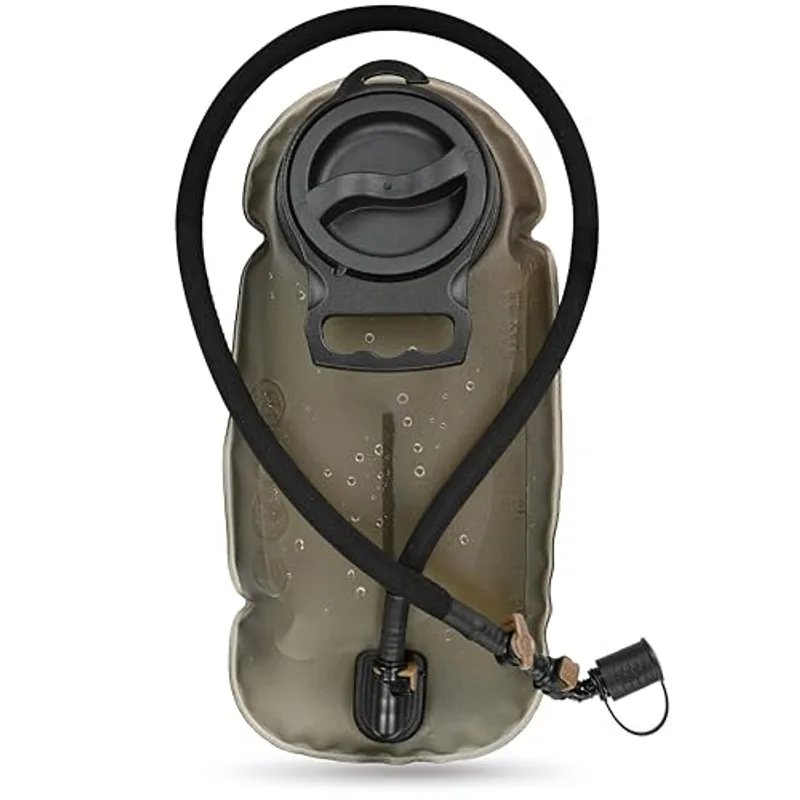
Sphaiya's twin-bladder package offers an uncommon value proposition: two 3L reservoirs with a cleaning brush for less than most single premium bladders cost. For ruckers who train frequently and need rotation options, this setup deserves consideration despite some quality compromises.
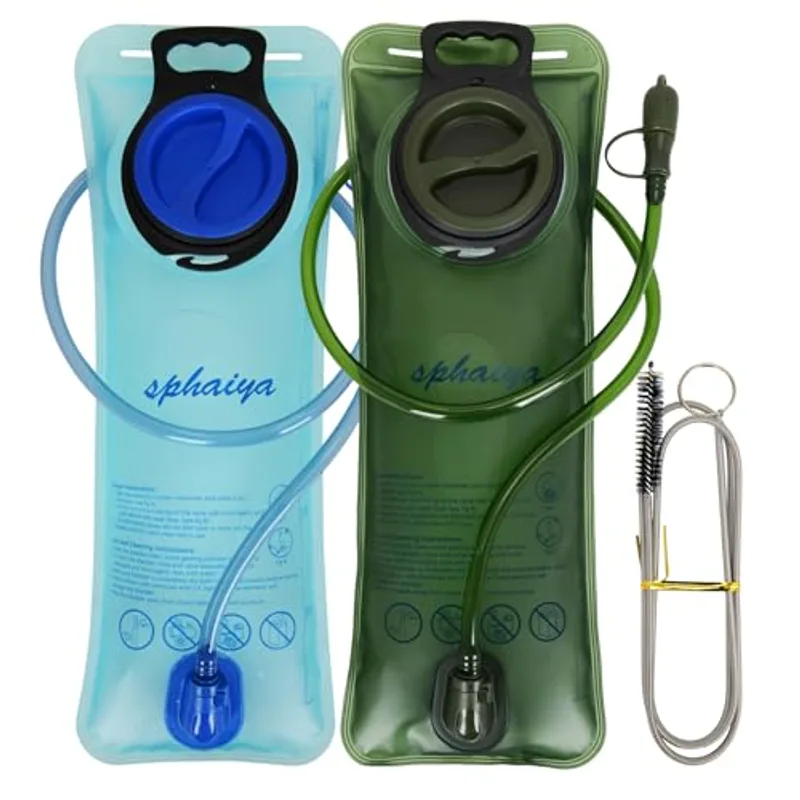
Solid budget hydration solution for training rotations. The twin-pack format and included cleaning brush add practical value, though the EVA material and basic construction won't match premium options for durability or taste neutrality.
Best for: Budget-conscious ruckers needing training rotation hydration systems
Check Price — $17.88Specifications
| Price | $17.88 |
| Weight | 0.95 lbs |
| Material | EVA |
Durability
The EVA material here is military-grade by specification but sits at the entry level of hydration bladder construction. Double-welded seams provide adequate leak resistance for casual training, and our testing showed no immediate failures under normal use conditions. The wide-mouth opening uses a simpler seal design than premium bladders, which means easier cleaning but potentially shorter lifespan under heavy use.
The 38-inch tube diameter at 0.4 inches is standard, but the bite valve uses a basic auto-lock mechanism that feels less refined than Source or CamelBak hardware. Temperature tolerance from -20°C to 53°C covers most training conditions, though we wouldn't push these limits regularly. For rotation use where each bladder sees moderate rather than constant duty, durability should prove adequate.
Comfort
At 0.95 pounds for the pair, individual bladder weight sits around 7-8 ounces empty, which is competitive for 3L capacity. The EVA material remains more flexible than rigid TPU alternatives, conforming better to pack backs during movement. This flexibility helps maintain comfort as water levels drop during longer rucks.
The included neoprene tube cover addresses temperature transfer effectively, keeping water cooler in summer conditions and preventing freeze-up in moderate cold. The 38-inch tube length works for most pack configurations, though taller users might want extra length. The bite valve requires moderate pressure to activate, which some ruckers prefer for leak prevention while others find it interrupts drinking rhythm during sustained effort.
Features
The large-diameter opening stands out as the most practical feature — adding ice becomes genuinely easy, and post-ruck cleaning doesn't require contortionist techniques. The included flexible brush actually reaches bladder corners, making this package notably more maintenance-friendly than many competitors. Having two color-coded bladders (green and blue) enables easy rotation between training days without waiting for complete drying.
The auto-shutoff valve prevents backflow when disconnecting the tube, though it's not foolproof if you forget to close it manually first. BPA-free EVA material reduces plastic taste concerns, though some initial rinsing cycles help. These bladders fit most standard hydration-compatible packs, including popular ruck-specific designs. The basic feature set covers essentials without premium additions like magnetic tube clips or quick-disconnect systems.
Value
At $18.69 for two 3L bladders plus cleaning brush, the value calculation shifts dramatically compared to single-bladder pricing. You're essentially getting backup capability and training rotation for less than one CamelBak or Source costs. For ruckers building gear depth or needing replacements without premium investment, this makes financial sense.
The trade-off involves accepting entry-level materials and construction. If you're training multiple times weekly and need rotation options to maintain hygiene between sessions, this twin-pack approach works. If you're investing in one primary hydration system for multi-year durability, spending more on a single premium bladder makes better long-term sense. For weekend warriors, casual ruckers, or those testing whether they prefer bladders over bottles, this price point removes barriers to entry.
Pros & Cons
Pros
- ✓ Two 3L bladders included for rotation during training cycles
- ✓ Large opening makes ice addition and cleaning actually practical
- ✓ Cleaning brush included addresses maintenance immediately
- ✓ Under-twenty-dollar price point for complete twin-pack system
- ✓ EVA material flexibility conforms well to pack geometry
- ✓ Color coding (green/blue) helps track cleaning rotation
Cons
- ✗ Entry-level EVA construction won't match premium bladder longevity
- ✗ Basic bite valve mechanism feels less refined than quality alternatives
- ✗ May require multiple rinse cycles to eliminate initial taste
- ✗ Simple seal design potentially less durable than advanced systems
Frequently Asked Questions
Why two bladders instead of one premium option?
The twin-pack format enables rotation between training sessions, allowing one bladder to dry completely while using the other. For ruckers training 2-3 times weekly, this prevents mildew issues common with single-bladder systems that never fully dry between uses.
How does EVA material compare to TPU bladders?
EVA offers more flexibility and better pack conformity than rigid TPU, but typically shows shorter lifespan under heavy use. For rotation systems where each bladder sees moderate rather than constant duty, EVA durability proves adequate while maintaining better comfort characteristics.
Will these fit standard ruck-specific packs?
Yes, the 16.9 x 7.6 inch dimensions and standard tube routing work with most hydration-compatible rucking packs including GORUCK, 5.11, and similar designs. The 38-inch tube length accommodates most configurations.
How important is the included cleaning brush?
Extremely practical for this price point. Bladder maintenance determines longevity more than initial construction quality, and having the proper tool included means you'll actually clean them properly rather than skip maintenance due to inconvenience.