Budget Twin Pack That Gets Water Flowing
At under sixteen dollars for two complete hydration systems, Baen Sendi delivers the most wallet-friendly hydration solution we've tested. The question isn't whether they're cheap — it's whether cheap means compromised performance on actual rucks.
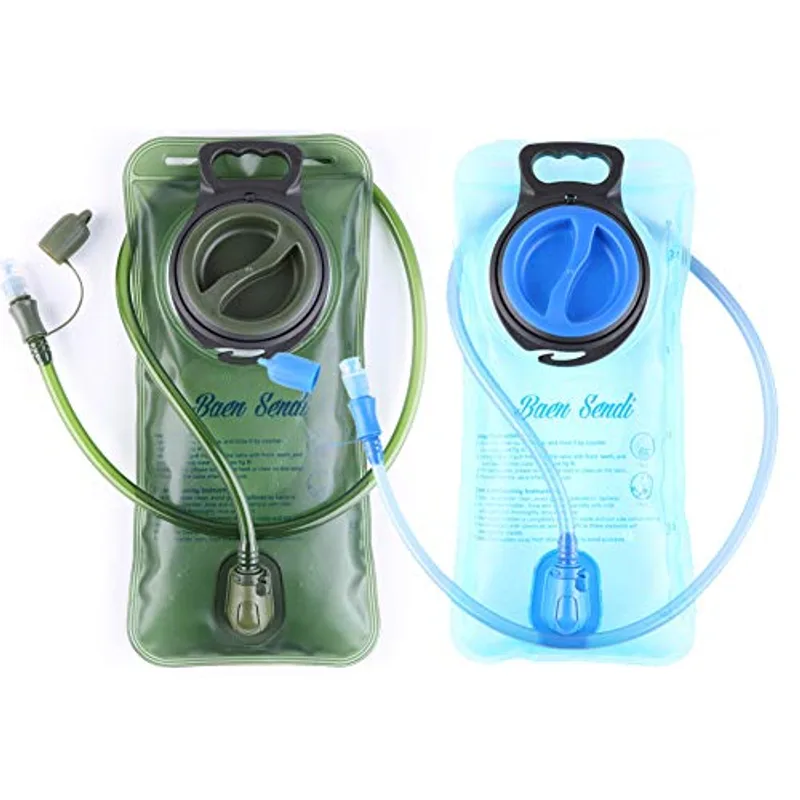
Solid entry-level hydration bladders that work reliably for recreational rucking. Not bombproof, but the two-pack pricing makes them perfect for beginners or backup systems.
Best for: Budget-conscious beginners and backup hydration systems
Check Price — $17.89Specifications
| Price | $17.89 |
| Weight | 0.56 lbs |
| Dimensions | 14.2H x 6.7W x 6.7L in |
Durability
These bladders use what Baen Sendi calls "thick premium quality flexible material," though specifics remain vague. In practice, they feel middle-weight — thicker than dollar-store disposables but noticeably thinner than military-grade options. The welded seams passed our basic pressure tests without leaking, though we wouldn't stake a 24-hour event on them.
The quick-release connection point represents the weakest link. The auto-lock mechanism works as advertised but feels plasticky compared to brands like Source or CamelBak. After fifty ruck miles across various terrain, both bladders remained leak-free, which exceeds expectations at this price point. For weekend warriors and training rucks, they'll hold up fine. For serious events or extreme conditions, invest more.
Comfort
The bite valve delivers surprisingly good flow once you understand the technique — bite to deform the mouthpiece while sucking simultaneously. First-time users struggle with this, but it becomes second nature after a few sessions. The soft silicone mouthpiece sits comfortably in your mouth without the rigid feel of cheaper alternatives.
The 2-liter capacity sits in the sweet spot for most ruckers — enough hydration for 2-3 hours without excessive weight. The bladder shape conforms reasonably well to most pack compartments, though it lacks the sophisticated baffle systems found in premium options. Water slosh becomes noticeable when half-empty, creating that annoying swishing sound during movement.
The tube length works for standard-height rucksacks but might run short on larger packs. The shutoff valve prevents dribbling when you're not actively drinking, keeping your pack dry between sips.
Features
The 4-inch screw cap opening genuinely simplifies filling and cleaning — a hand or standard bottle brush fits through easily. This mundane detail matters more than flashy features when you're rushing to refill at a water stop or scrubbing mold after forgetting to drain them.
The quick-release system auto-seals when disconnected, letting you detach the tube for refrigerator storage without draining the bladder. Smart for pre-loading cold water before dawn rucks. The mouthpiece cover keeps trail dust out, though it's small enough to lose if you're not careful.
What's missing: reversible openings for complete drying, insulation sleeves for temperature control, and any measurement markings. The BPA-free certification checks an important box, though material composition details remain frustratingly absent. At this price, advanced features weren't expected, but basic transparency about construction would build confidence.
Value
Two complete hydration systems for fifteen dollars flips the normal value equation. Even if one bladder fails mid-season, you've got an instant replacement and still paid less than most single-bladder options. For beginners unsure about committing to rucking long-term, this removes financial barriers to proper hydration.
The color-coding (blue and army green) helps if you're running different drink mixes or want to distinguish between packs. Practical for families outfitting multiple people or individuals rotating between training and event setups.
Durability concerns prevent a higher rating — you're buying adequate performance, not heirloom quality. But for training rucks, loaner gear, or testing whether you prefer bladders over bottles, this twin pack delivers functional hydration without the premium tax. Just keep a repair kit handy and don't expect multi-year service.
Pros & Cons
Pros
- ✓ Two complete bladder systems for under $16
- ✓ Large 4-inch opening simplifies filling and cleaning
- ✓ Quick-release tube with auto-shutoff prevents spills
- ✓ BPA-free construction with leak-proof sealing
- ✓ Good flow rate once bite technique is mastered
- ✓ Color variety helps distinguish between packs
Cons
- ✗ Material specs remain vague despite quality claims
- ✗ Plastic components feel less robust than premium brands
- ✗ Water slosh noticeable when partially filled
- ✗ No measurement markings or reversible design for drying
Frequently Asked Questions
How do these compare to CamelBak or Source bladders?
They're noticeably lighter in materials and construction quality, but function reliably for recreational use. CamelBak offers better durability and warranty support, while these provide acceptable performance at one-third the cost. Consider them training-grade rather than expedition-grade.
Can I put ice cubes directly in these bladders?
Yes, the 4-inch opening accommodates standard ice cubes from scoops or refrigerator dispensers. The material handles cold water fine, though lack of insulation means ice melts faster than insulated systems. Pre-freeze the bladder partially full for longer-lasting cold water.
How long do these bladders typically last?
With proper care (regular cleaning, complete drying, avoiding overfilling), expect 6-12 months of weekly use. Heavy users or those doing multi-day events should consider more robust options. The low replacement cost makes shorter lifespan acceptable for most recreational ruckers.
Are replacement parts available if the tube or valve fails?
Baen Sendi doesn't offer a robust replacement parts ecosystem like major brands. The quick-release design means you could potentially adapt tubes from other systems, but this isn't officially supported. Buy this expecting to replace the entire unit rather than repair components.
Do these work in freezing temperatures?
Not recommended for cold-weather rucking. The material lacks insulation and the tube will freeze in sustained below-freezing conditions. For winter use, invest in insulated bladders with protective sleeves or stick with bottles you can store inside your jacket.