Best Rucking Recovery Gear & Tools in 2026
Last updated: 2026-03-09
Recovery isn't optional for ruckers—it's how you stay in the fight. Whether you're logging miles with a weighted pack weekly or training for a GORUCK event, your muscles, fascia, and circulation need strategic intervention. The right recovery tools accelerate adaptation, reduce injury risk, and keep you mission-ready. But recovery gear ranges from $9 compression socks to $500 percussion devices, and not every tool delivers proportional value.
This guide focuses on what actually works for ruckers. We've tested foam rollers that hold up to body weight plus pack stress, massage guns that reach deep posterior chain knots, and compression gear calibrated for lower-leg demands. The products below represent the best intersection of effectiveness, durability, and value across three core recovery categories: percussion therapy, myofascial release, and compression recovery. Each has been evaluated against ruck-specific criteria—not general fitness fluff.
Your recovery stack doesn't need to be expensive, but it needs to be deliberate. The tools that make this list earned their place through consistent performance in post-ruck protocols, not marketing hype.
Our Top Picks at a Glance
Detailed Reviews
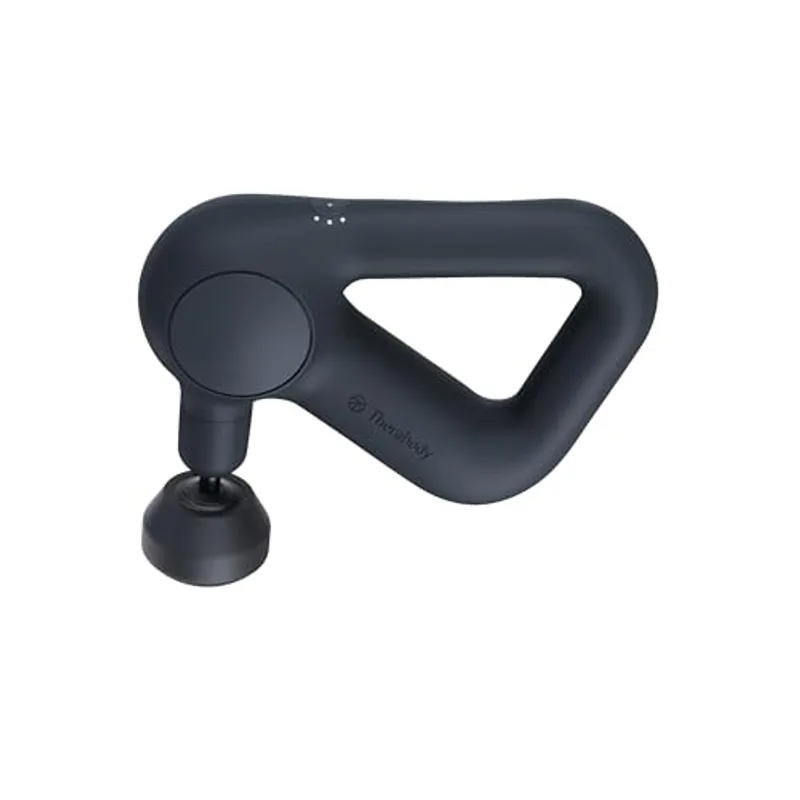
We recommend this massage gun because it delivers legitimate recovery benefits without the wrist fatigue or noise complaints that plague cheaper percussion tools.
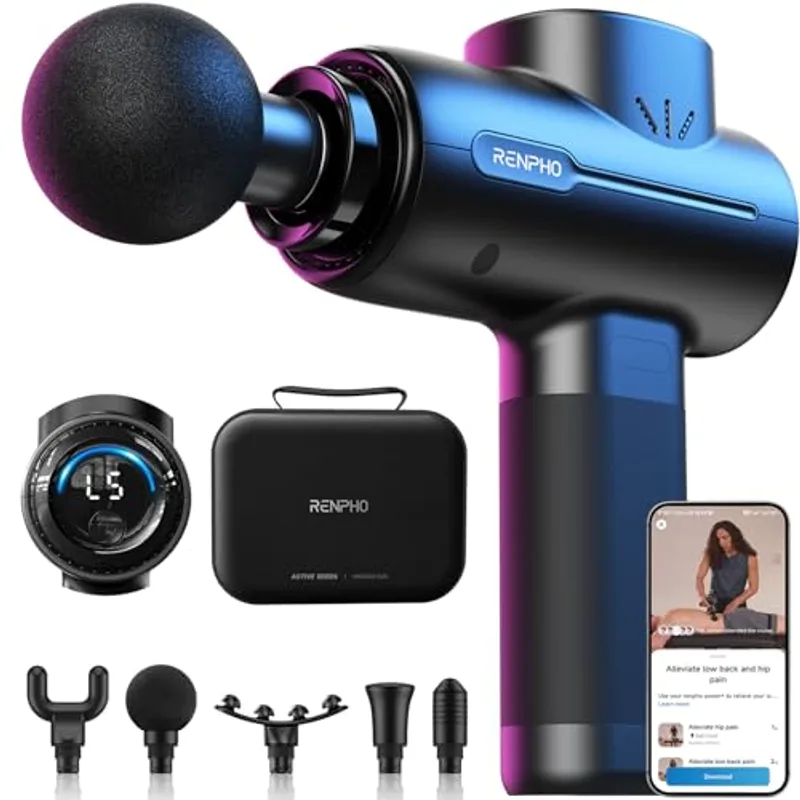
We rely on this massage gun because it delivers the deep tissue relief ruckers need at a price that doesn't require justification to anyone.
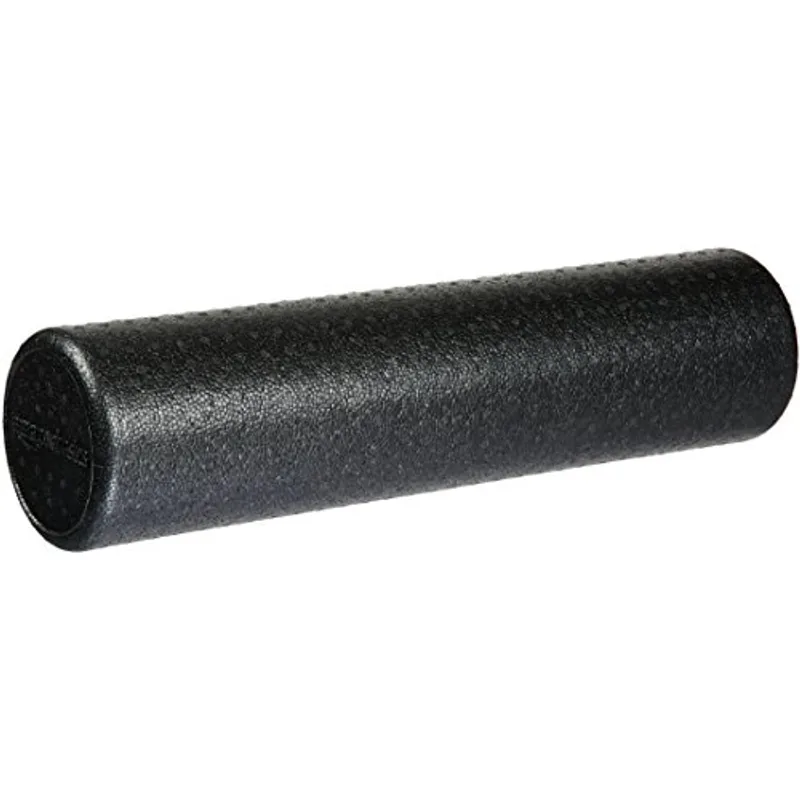
We appreciate this roller's no-nonsense approach to recovery — it's firm enough to actually work muscle knots without breaking down after a few sessions.
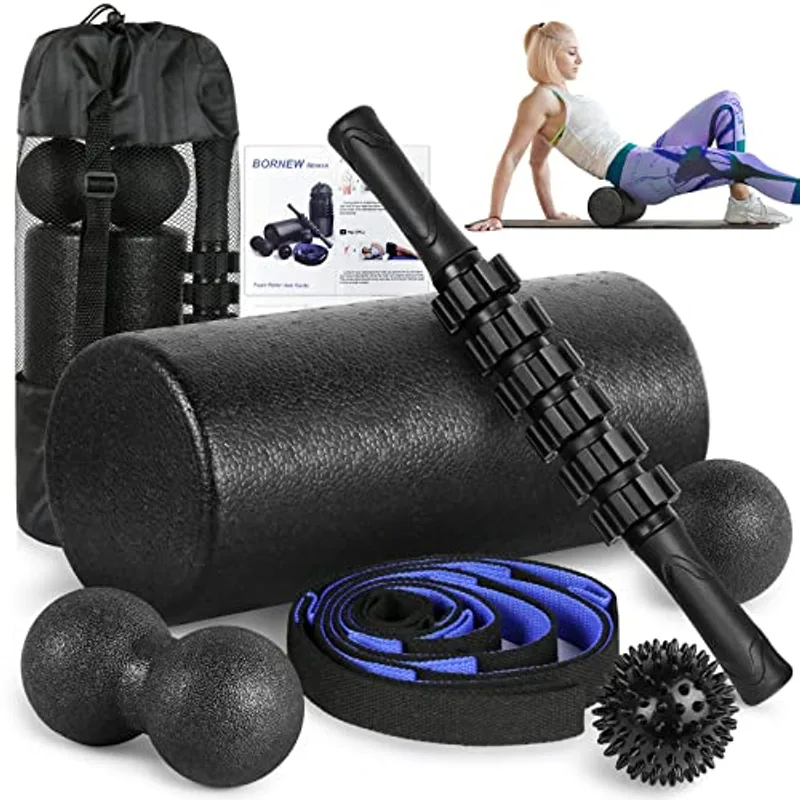
We picked this set because it covers every recovery base ruckers need without the premium price tag of single-tool kits.
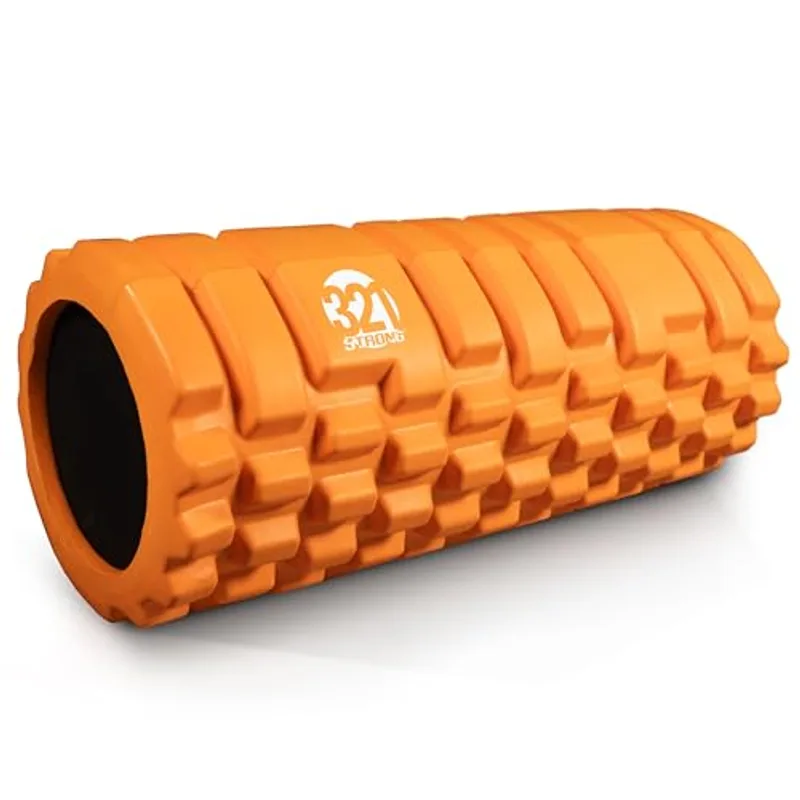
We recommend this roller because its patented three-zone design delivers targeted myofascial release without the brutality of overly-firm alternatives that leave ruckers dreading recovery sessions.
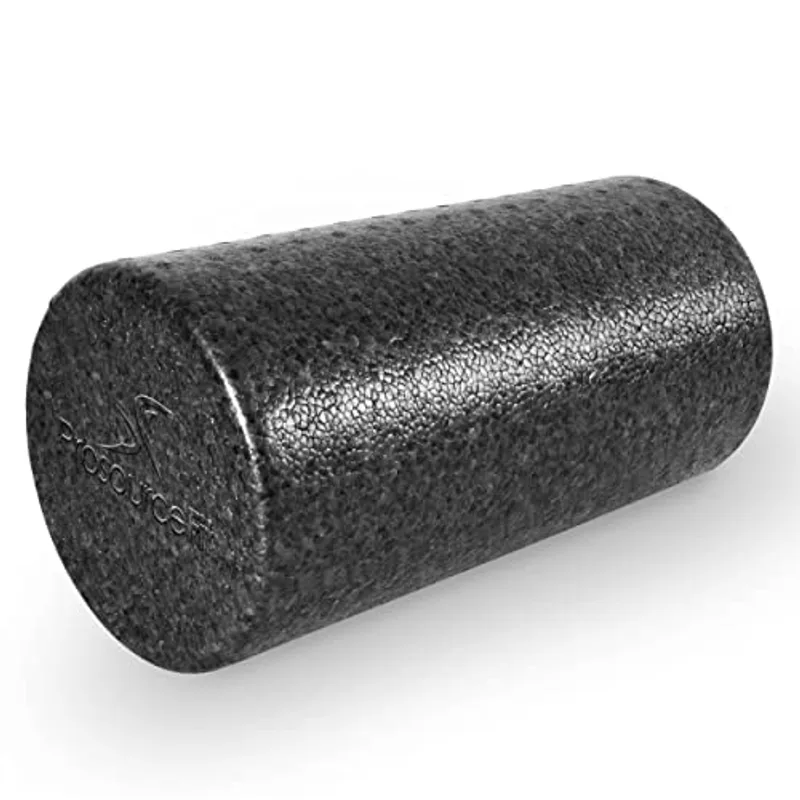
We pack this 12-inch roller on every ruck trip because it delivers legitimate muscle recovery without hogging precious pack space or adding meaningful weight.
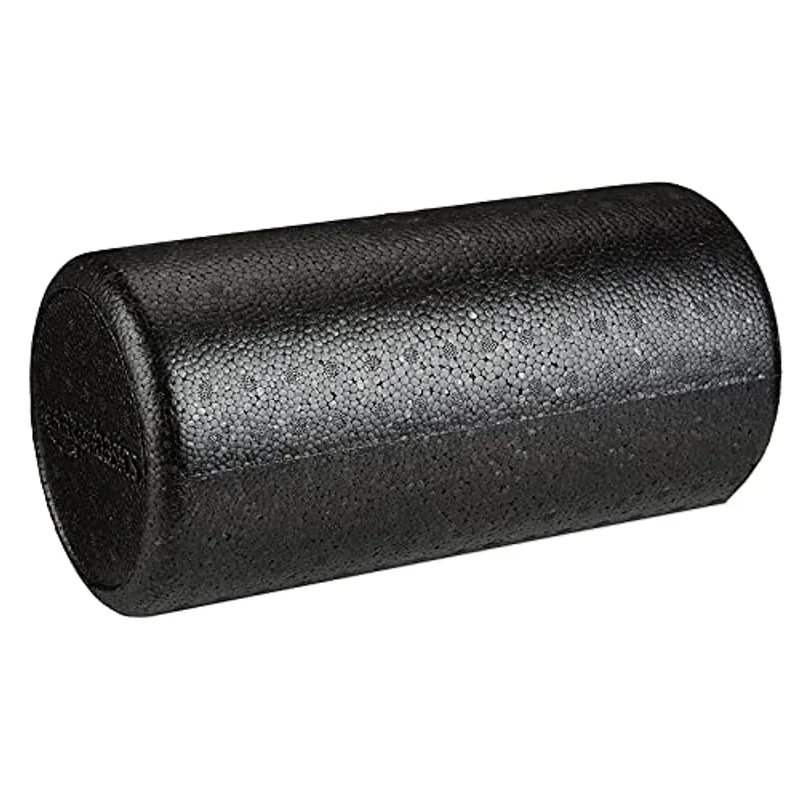
We chose this roller because it delivers firm, effective muscle recovery at a price point that lets ruckers keep one at home and another in the car.
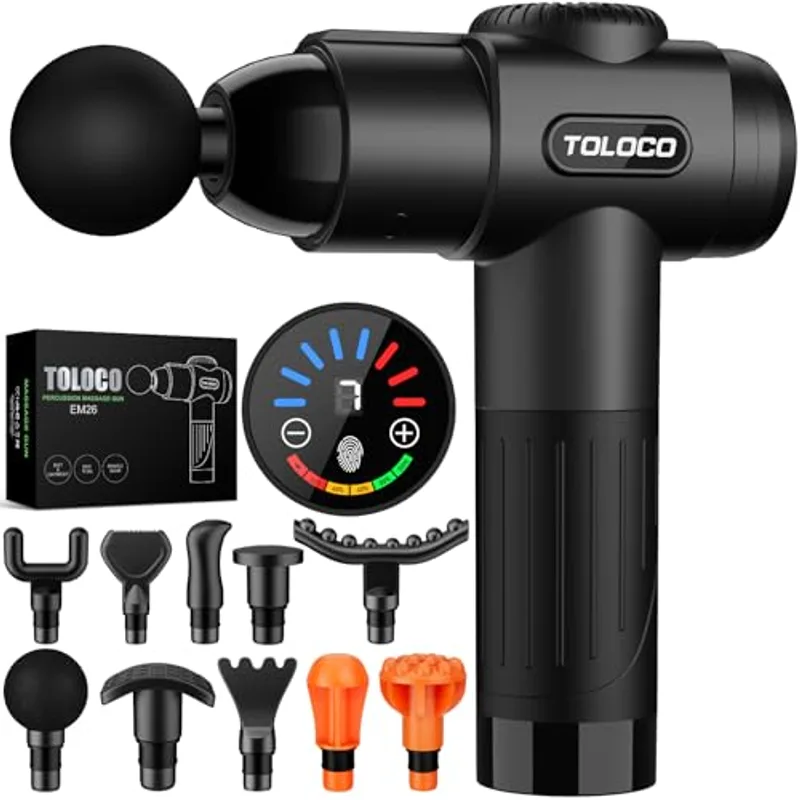
We recommend this budget massage gun because it delivers genuine recovery value at a price point that makes daily post-ruck sessions financially realistic for most people.
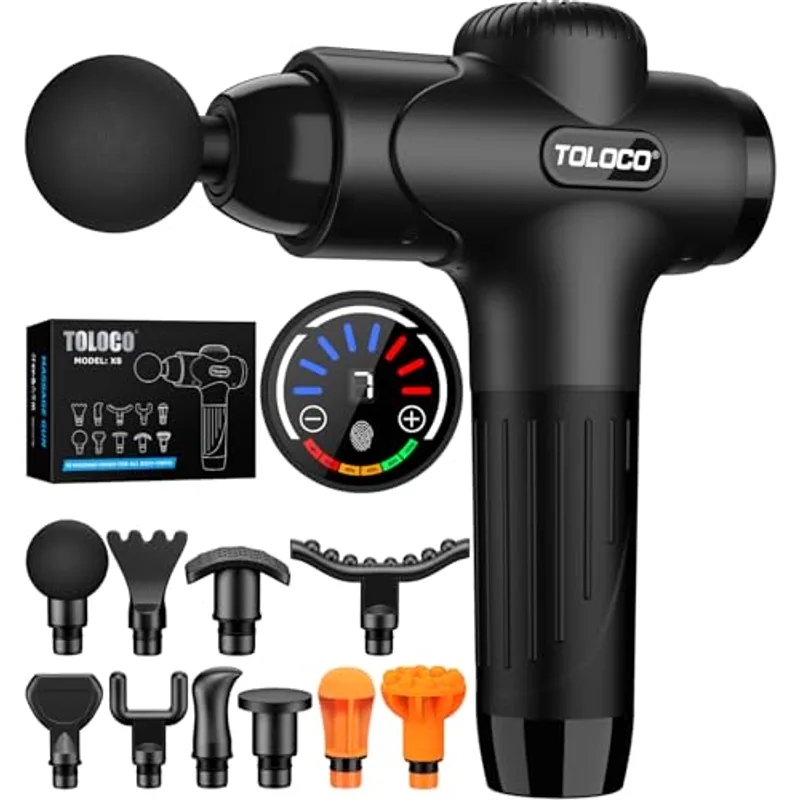
We picked this budget percussion massager because it delivers surprisingly effective post-ruck recovery without the premium price tag that most massage guns demand.
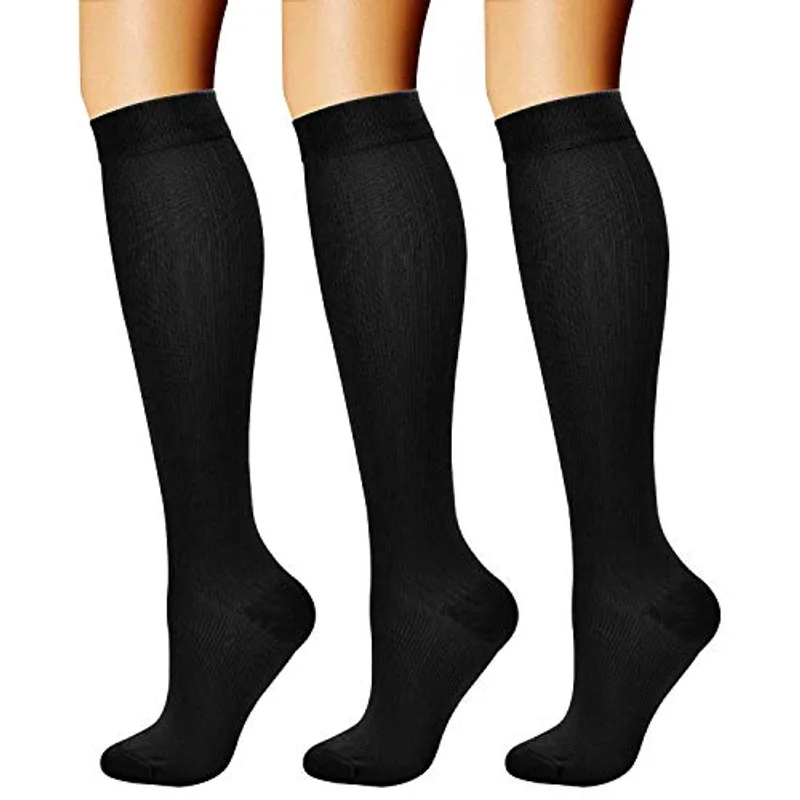
We added these to our recovery rotation because at $4 per pair, they deliver medical-grade compression without the premium price tag.
Side-by-Side Comparison
| rank | name | price | rating | best_for | weight | key_feature |
|---|---|---|---|---|---|---|
| 1 | Theragun Relief Percussion Massage Gun | $159.99 | 8/10 | Serious ruckers wanting legitimate recovery without premium pricing | 1.4 lbs | 12mm amplitude with real stall force |
| 2 | Amazon Basics High Density Foam Roller 24 Inch | $17.09 | 7/10 | Budget-conscious ruckers needing firm post-workout recovery | 0.56 lbs | High-density construction at budget price |
| 3 | 321 Strong Medium Density Foam Roller | $27.78 | 7/10 | Ruckers seeking effective recovery without aggressive discomfort | 0.69 lbs | EVA foam for balanced pressure |
| 4 | ProsourceFit High Density Foam Roller 12-Inch | $11.99 | 7/10 | Ruckers who need portable recovery tools for travel | Minimal | Compact size fits in ruck side pockets |
| 5 | TOLOCO Deep Tissue Massage Gun | $39.99 | 7/10 | Budget-conscious ruckers needing basic post-workout recovery | 2 lbs | Entry-level percussion at accessible price |
| 6 | TOLOCO Massage Gun with 10 Heads | $35.99 | 7/10 | Budget-conscious ruckers needing effective muscle recovery | 2.9 lbs | Multiple attachment options |
| 7 | CHARMKING Compression Socks 15-20 mmHg (3 Pairs) | $11.99 | 7/10 | Budget-conscious ruckers testing compression recovery benefits | 0.4 lbs | Mild compression for daily recovery |
| 8 | NEENCA Copper Compression Socks (20-30mmHg) | $16.99 | 7/10 | Budget-conscious ruckers needing serious post-event recovery support | Minimal | Medical-grade compression level |
| 9 | BLUEENJOY Copper Compression Socks (6 Pairs) | $18.99 | 6/10 | Budget-conscious ruckers wanting basic recovery compression | Minimal | Multi-pair value pack |
| 10 | Laite Hebe Compression Socks 4-Pack | $8.99 | 6/10 | Budget-conscious ruckers testing compression recovery or light everyday support | Minimal | Lowest entry price for compression testing |
Frequently Asked Questions
Do I need a massage gun if I already foam roll?
Yes, if you ruck regularly with heavy weight. Foam rollers provide broad myofascial release but can't reach deep trigger points in dense muscle tissue like glutes, hip flexors, and deep hamstrings. Massage guns deliver percussive therapy that penetrates 12-16mm deep, breaking up adhesions rollers miss. Use both: roller for large muscle groups and general tissue work, massage gun for targeted problem areas and deep knots that develop from repetitive load bearing.
What compression level should I use after rucking?
For routine recovery after standard ruck sessions, 15-20 mmHg provides adequate support without being restrictive. After heavy training days, long events, or when experiencing significant lower leg soreness, 20-30 mmHg delivers clinical-grade compression that meaningfully reduces inflammation and improves venous return. Don't wear high compression (20-30 mmHg) for extended periods beyond 4-6 hours unless medically directed. Match compression level to training intensity and recovery needs.
How often should I foam roll as a rucker?
Roll after every ruck session—minimum 10 minutes focusing on quads, IT bands, calves, glutes, and lower back. These areas absorb the most stress under load. On non-ruck days, 5-10 minutes of maintenance rolling prevents tissue adhesions from accumulating. If you're training for an event or increasing volume, add a second daily rolling session focusing on problem areas. Consistency matters more than duration; brief daily sessions outperform occasional long sessions for maintaining tissue quality and preventing injury.
Are budget massage guns worth buying?
Budget guns ($30-50) work adequately for light recovery after recreational rucking with moderate weight. They lack the amplitude and stall force to penetrate deep tissue effectively, so they're limited for serious training recovery. If you ruck 1-2 times weekly with 20 pounds or less, budget options suffice. If you're training regularly with 30+ pounds or preparing for events, invest in mid-tier devices ($100-200) with legitimate specifications. Cheap guns that stall under pressure waste your recovery time.
Can I travel with foam rollers?
Yes, but size matters. Standard 24-inch rollers don't pack efficiently. The 12-inch high-density rollers fit in ruck side pockets or attach externally without adding significant weight. They provide enough surface area for targeted leg work. For frequent travel, a 12-inch roller plus a compact massage gun covers your essential recovery needs in minimal space. Some ruckers use lacrosse balls as ultra-portable alternatives for trigger point work, though they can't replace full roller sessions for broad myofascial release.
Do copper compression socks actually work better?
Copper-infused fabrics provide antimicrobial properties that reduce odor during extended wear—useful for multi-day events or when wearing compression socks overnight. The copper itself doesn't enhance compression effectiveness or recovery speed compared to standard nylon-spandex blends. The primary recovery benefit comes from the compression level (mmHg rating), not the copper content. If you're doing single-day training, standard compression socks work identically. For multi-day events or situations requiring extended wear between washes, copper versions offer practical advantages.