Best Rucking Hydration Packs & Water Bottles in 2026
Last updated: 2026-03-09
Hydration isn't optional when you're rucking with 20-50 pounds on your back. Dehydration hits faster under load, and stopping to dig out a water bottle disrupts your pace and form. A quality hydration system keeps water accessible without breaking stride, which matters whether you're training for a ruck event or logging miles with your local club.
The hydration bladder market splits into two camps: established brands charging premium prices and budget options flooding Amazon. The performance gap has narrowed considerably, but durability and leak prevention still separate the reliable from the replaceable. Most ruckers need 2-3 liters of capacity for sessions over 90 minutes, along with bite valves that don't require jaw gymnastics to operate.
This guide covers hydration bladders specifically designed for rucking demands—not hiking daypacks or cycling vests. We've tested these systems under actual ruck conditions, evaluating leak rates, ease of filling, cleaning requirements, and compatibility with popular ruck plates and frames. Our rankings prioritize real-world performance over marketing claims.
Our Top Picks at a Glance
Detailed Reviews
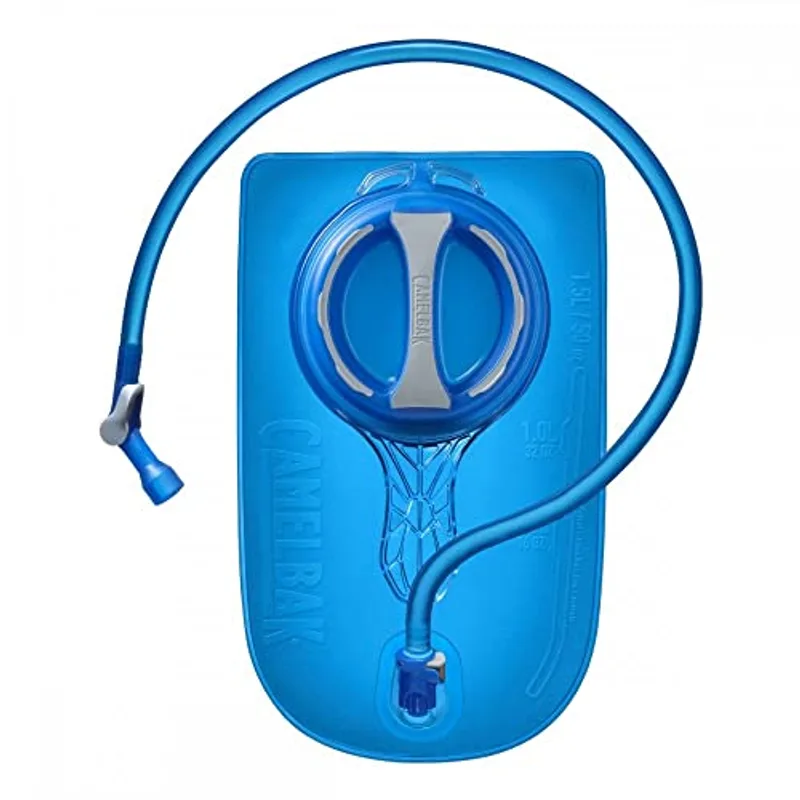
We trust this reservoir for long rucks because it delivers consistent flow without leaks, even when pushed hard in a loaded pack.
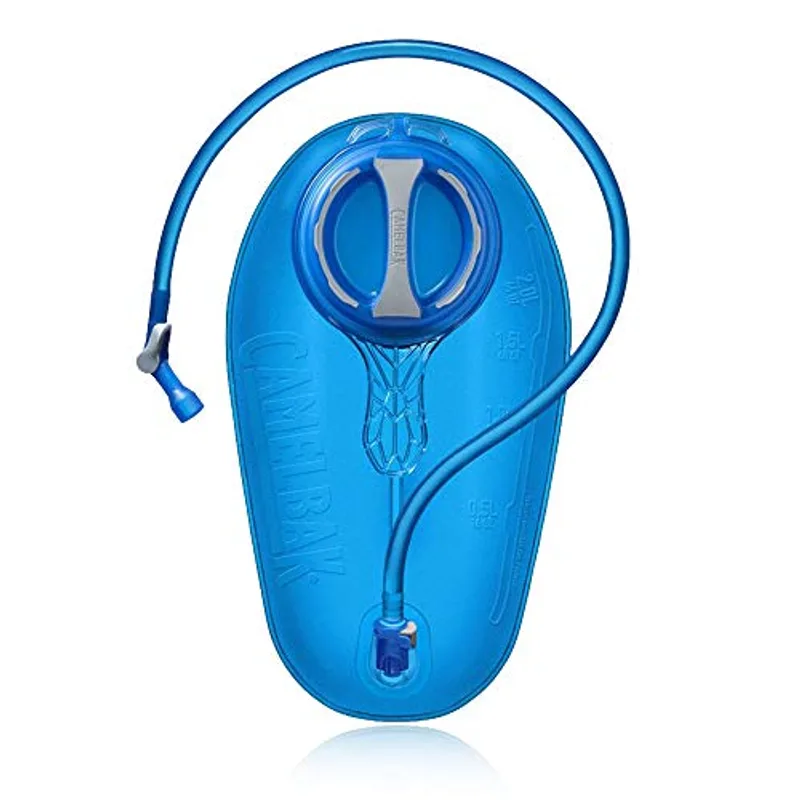
We trust the Crux reservoir in our rucking packs because it delivers consistent water flow without leaking, even during the roughest training sessions.
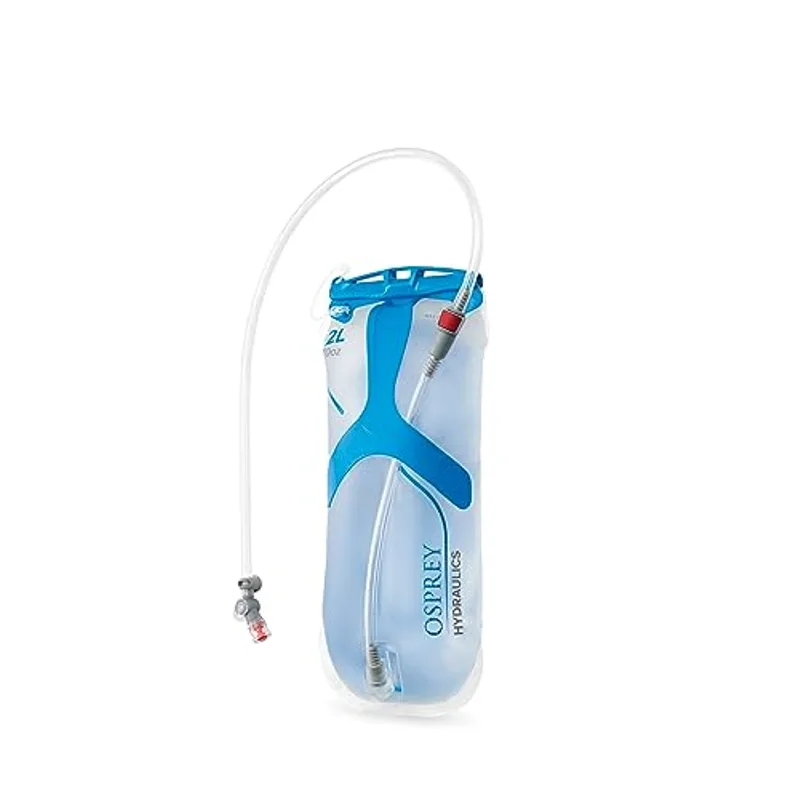
We recommend this reservoir because Osprey solved the two biggest hydration frustrations: filling without spillage and magnetic hose retention that actually works.
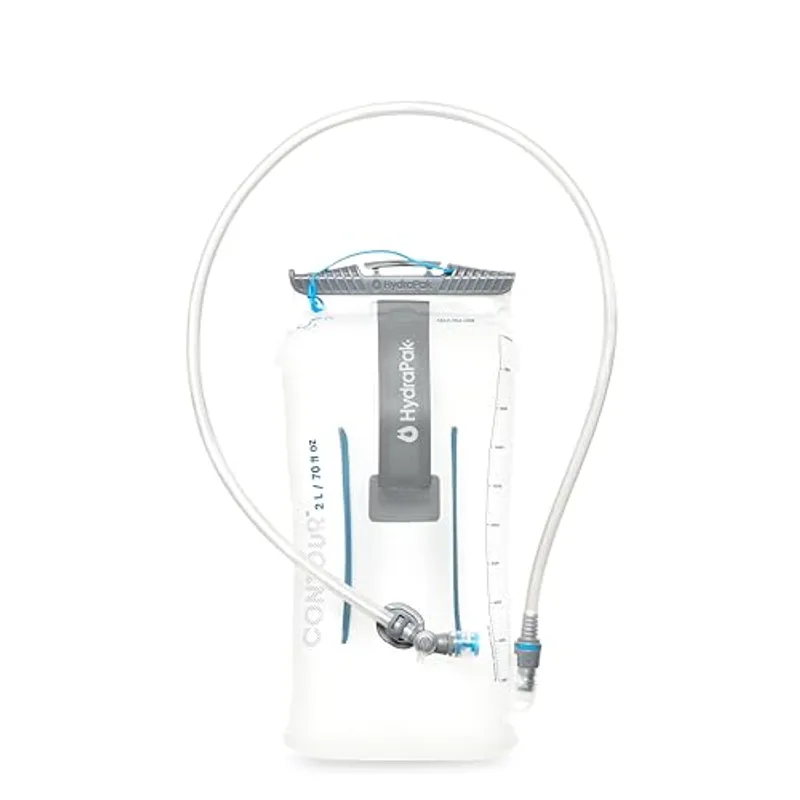
We recommend this reservoir because it's the most packable, maintenance-friendly bladder we've tested that doesn't compromise on flow rate or leak protection.
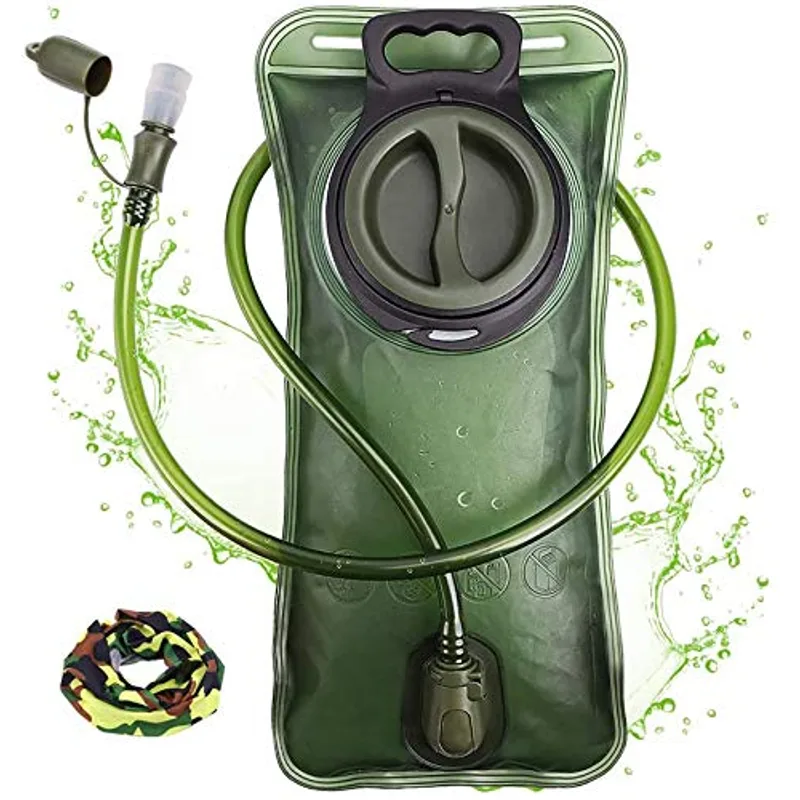
We appreciate this bladder's wide-mouth opening and double-sealed construction that actually prevents leaks without the premium price tag.
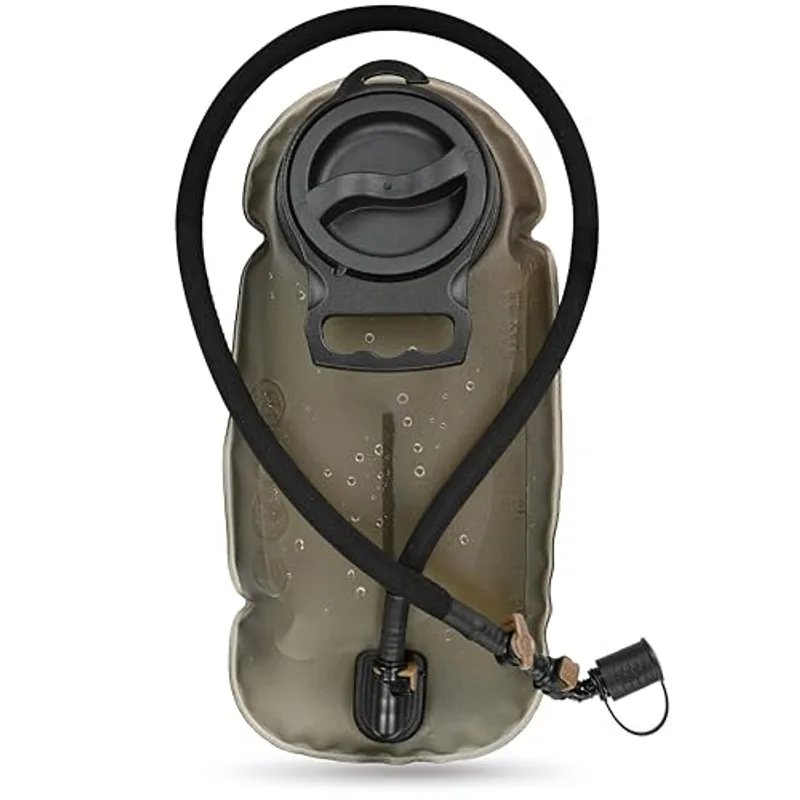
We appreciate MARCHWAY's focus on practical features like the quick-release tube and insulated sleeve that actually work when you're miles from the trailhead.
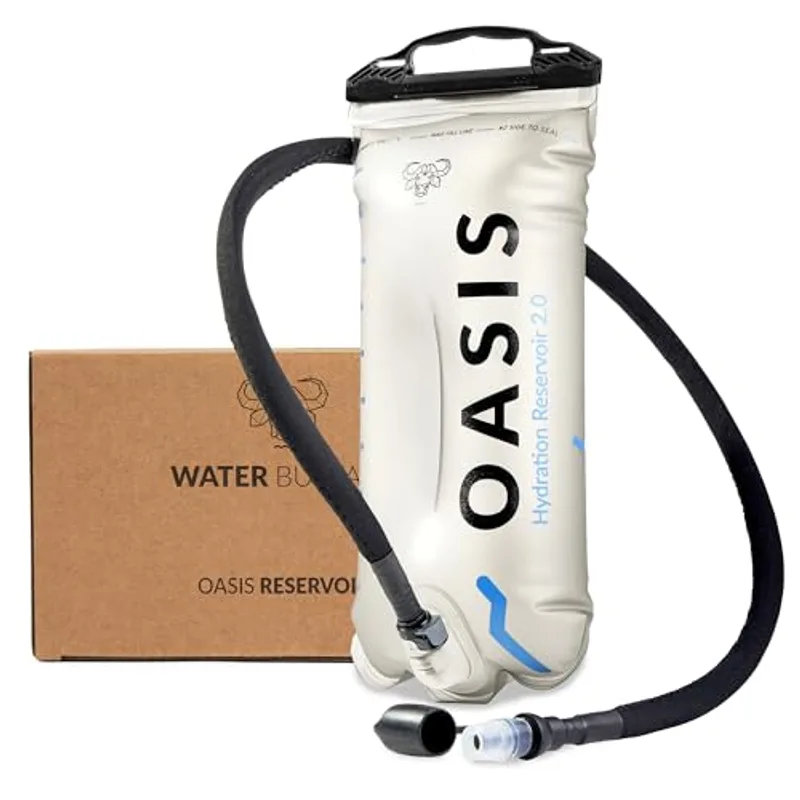
We selected this bladder because it delivers reliable hydration without the premium price tag that most insulated systems demand.
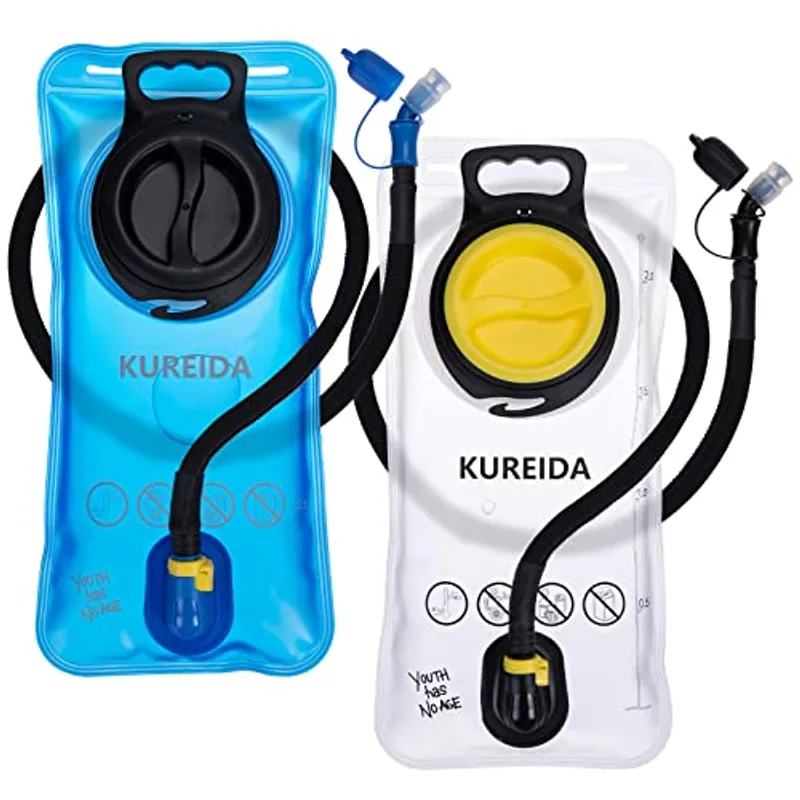
We included this budget bladder because it delivers insulated tube performance and leak-proof reliability at a fraction of premium prices.
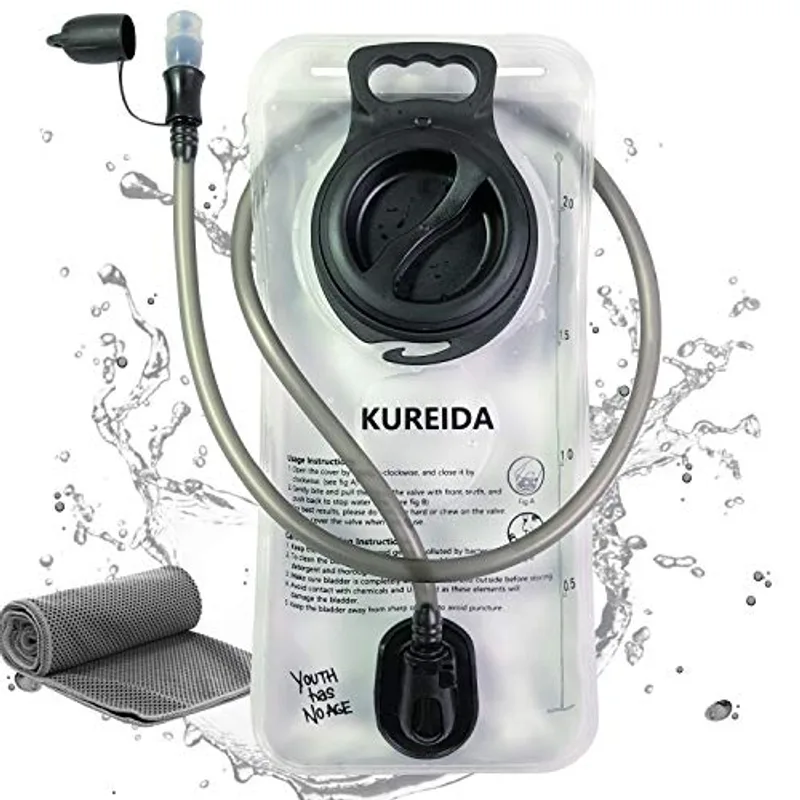
We appreciate the extra-wide opening that makes cleaning actually easy, and at under $10, it's a solid entry-level reservoir for beginners.
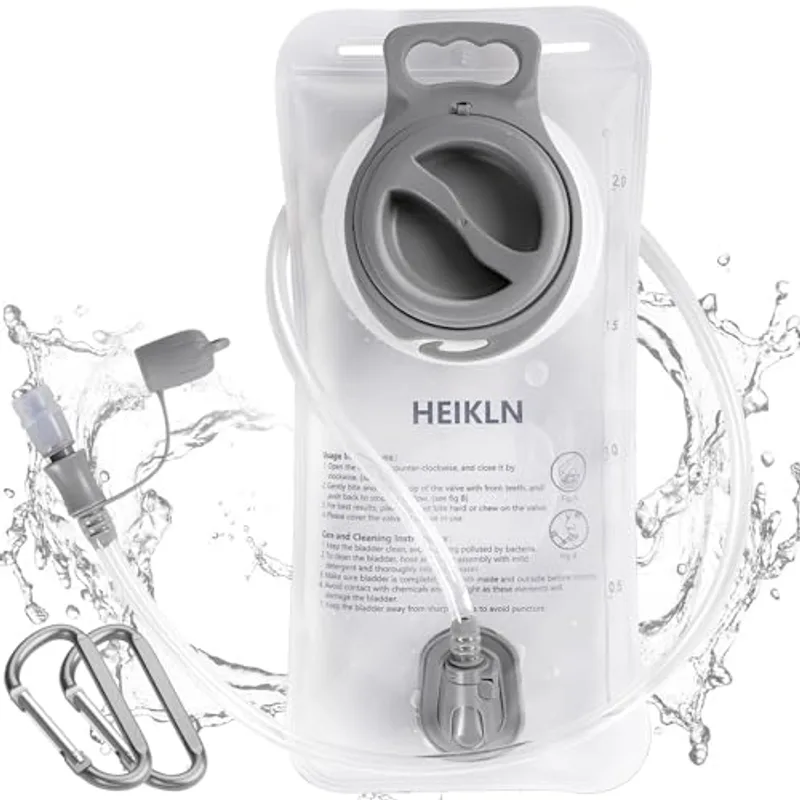
We appreciate this bladder's accessible price point and transparent tube design, making it a practical entry option for ruckers testing hydration systems before investing in premium gear.
Side-by-Side Comparison
| rank | name | price | rating | best_for | weight | key_feature |
|---|---|---|---|---|---|---|
| 1 | CamelBak Crux 1.5L Hydration Reservoir | $32.95 | 8/10 | Ruckers who need reliable hydration without constant maintenance | 0.44 lbs | Proven leak-proof design with wide-mouth opening |
| 2 | MARCHWAY 3L Tactical TPU Hydration Bladder | $17.99 | 7/10 | Budget-conscious ruckers wanting premium features without the premium price | 0.6 lbs | 3L capacity with tactical-grade TPU construction |
| 3 | HEIKLN Hydration Bladder 2 Liter | $8.99 | 6/10 | Budget-conscious ruckers or beginners testing hydration systems | 0.44 lbs | Entry-level price with basic functionality |
| 4 | Baen Sendi 2-Pack Hydration Bladder 2L | $15.49 | 6/10 | Budget-conscious beginners and backup hydration systems | 0.56 lbs | Two bladders for rotation or backup use |
| 5 | Mdvora Hydration Bladder 2L | $6.79 | 5/10 | Budget-conscious beginners or emergency backup bladders | 0.42 lbs | Ultra-budget option for occasional use |
Frequently Asked Questions
What size hydration bladder do I need for rucking?
For most training rucks under 6 miles, a 2-liter bladder provides sufficient hydration. Longer events or hot weather conditions require 3 liters minimum. Consider your sweat rate, temperature, and ruck weight—heavier loads increase hydration needs by 20-30%. A 2-3 liter bladder offers the best versatility for varied training conditions.
How do I prevent my hydration bladder from leaking?
Check all connections before each ruck, ensuring the hose is fully seated and the cap is properly sealed. Most leaks occur at connection points, not the bladder itself. Store bladders partially inflated to prevent creasing at seams. After filling, turn the bladder upside down for 30 seconds to identify leaks before loading into your ruck.
How often should I clean my hydration bladder?
Clean your bladder after every 3-4 uses or whenever switching from flavored drinks to water. Use warm water with mild soap or specialized cleaning tablets, then dry completely before storage. Incomplete drying causes mold growth. Many ruckers maintain two bladders in rotation—one in use while the other dries completely.
Are expensive hydration bladders worth the extra cost?
Premium bladders like CamelBak justify their cost for ruckers training 2-3+ times weekly through superior durability and leak prevention. Budget options work adequately for beginners or occasional ruckers but typically require replacement within a year. Mid-tier tactical bladders ($15-25) offer the best value for committed ruckers, delivering 80% of premium performance at half the price.
Can I use regular water bottles instead of a hydration bladder for rucking?
Water bottles work for short rucks under 3 miles but disrupt your pace and form on longer sessions. Stopping to access a bottle, drink, and re-stow breaks rhythm and compounds fatigue. Bladders keep both hands free and allow drinking without breaking stride. Most serious ruckers prefer bladders for any session exceeding 45 minutes.
Will a hydration bladder freeze during winter rucking?
Standard hoses freeze in temperatures below 35°F, making water inaccessible. Insulated hoses or hose covers prevent freezing but add weight. Some ruckers blow water back into the reservoir after each drink to keep the hose empty. For winter training, consider starting with warm water, which delays freezing by 30-45 minutes in moderate cold.