Best Rucking Boots & Tactical Footwear in 2026
Last updated: 2026-03-06
Your feet bear the cumulative impact of every mile marched under load, making boot selection as critical as your rucking pack. Unlike running shoes designed for controlled forward motion, rucking boots must support explosive lateral movements, absorb shock from heavy loads, and maintain integrity across diverse terrain. The best rucking boots balance ankle support, weight, durability, and break-in comfort—a combination that separates professional-grade footwear from casual hiking boots.
Successful rucking demands boots engineered for vertical load carry, not horizontal speed. A quality rucking boot features reinforced ankle collars that prevent inversion injuries during uneven terrain, substantial cushioning in the midsole to absorb impact from weighted pack forces, and outsoles designed for grip rather than speed. Proper support protects your feet from the repetitive stress of loaded marching, reducing injury risk and extending your rucking career. Additionally, break-in time matters: boots with structured support require proper conditioning but reward you with superior performance once broken in.
The rucking boot market spans military-heritage brands trusted by operators, technical footwear companies optimizing for performance, and budget alternatives offering basic functionality. Whether you prioritize AR670-1 military compliance, minimal break-in, ultralight weight, or maximum cushioning, today's options deliver solutions across every need and budget. This guide identifies the best boots to power your rucking journey.
Our Top Picks at a Glance
Detailed Reviews
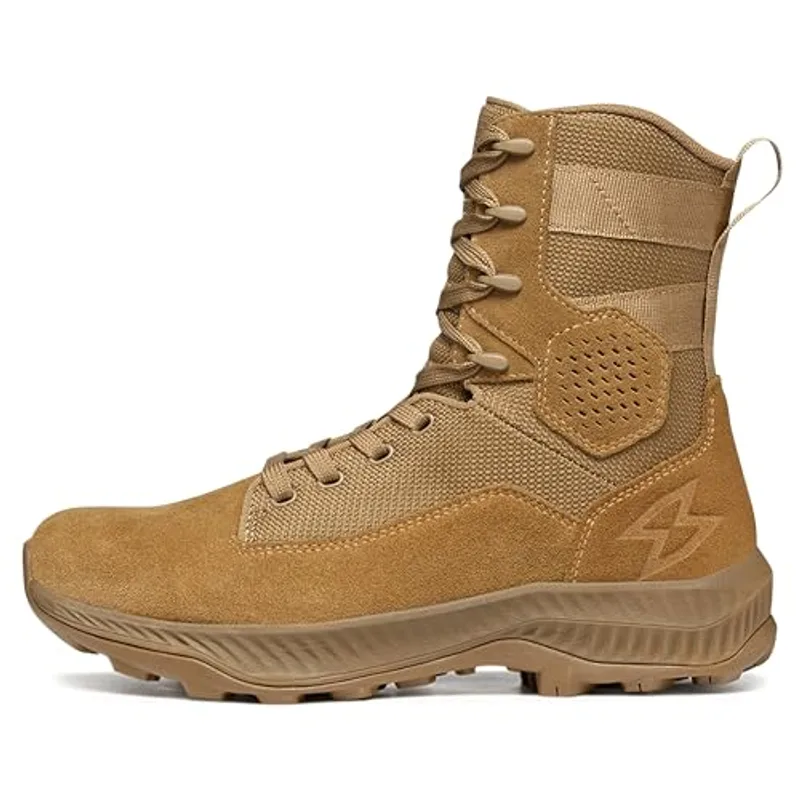
Best-in-class rucking boot for elite training. The GARMONT T8 Falcon combines military-grade construction, advanced sole technology, and AR 670-1 comp…
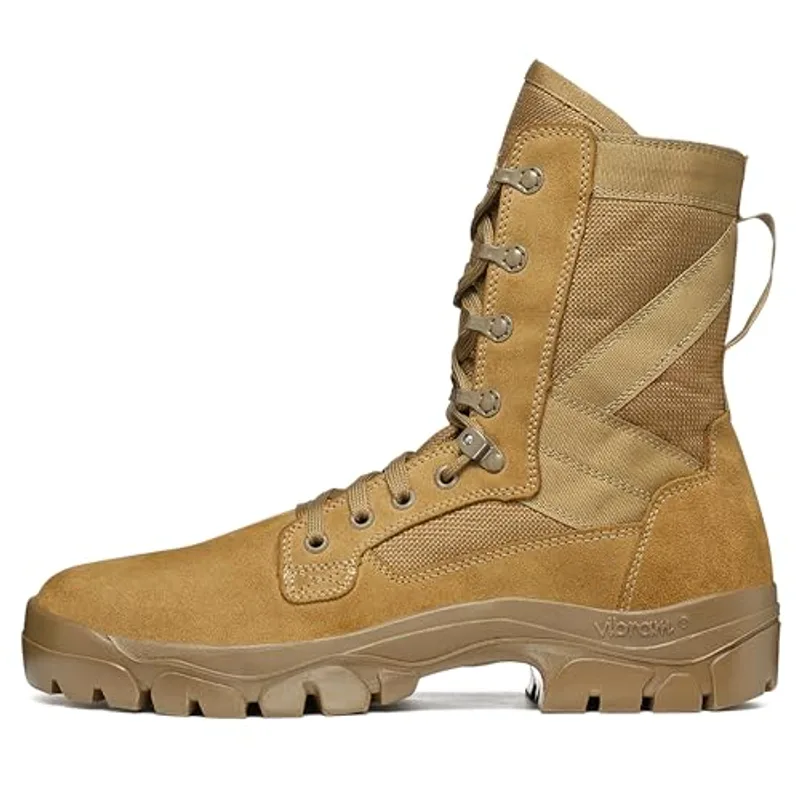
The T8 Bifida is premium gear for premium ruckers. GARMONT's Italian heritage and military certifications justify the $185 price. These boots promise …
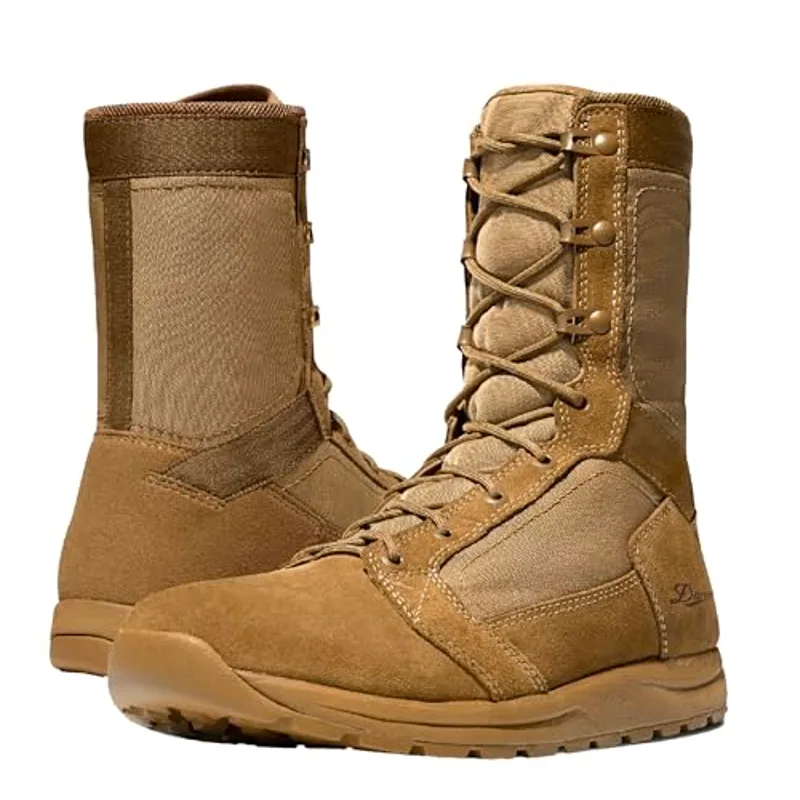
The Tachyon 8-inch is premium ultralight rucking footwear for operators who refuse to compromise on performance. The open cell footbed and speed lace …
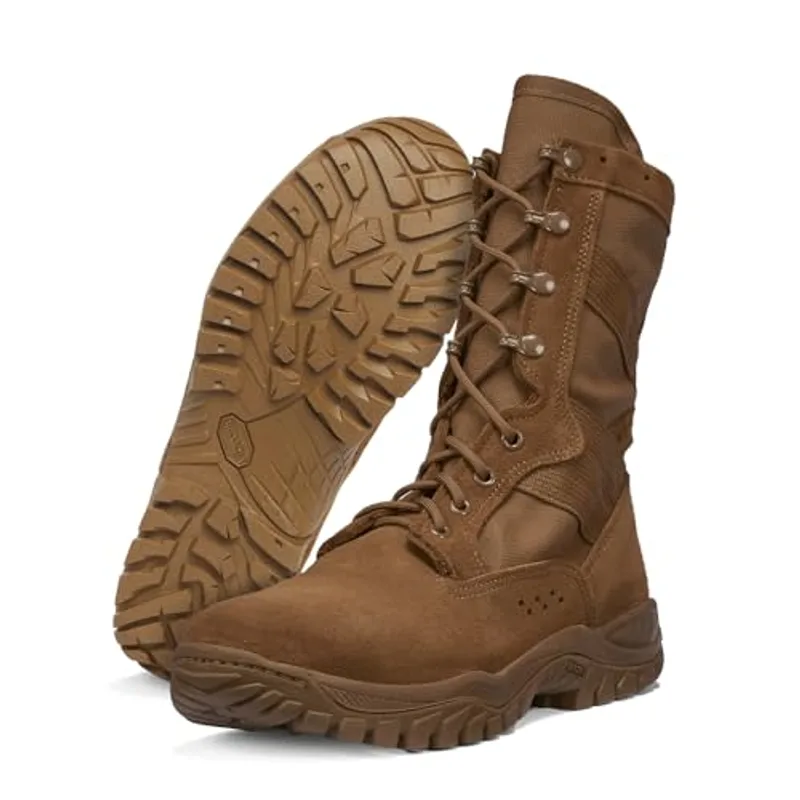
Ideal for military personnel, serious ruckers, and those prioritizing lightweight performance without compromise. The C320 delivers professional comba…
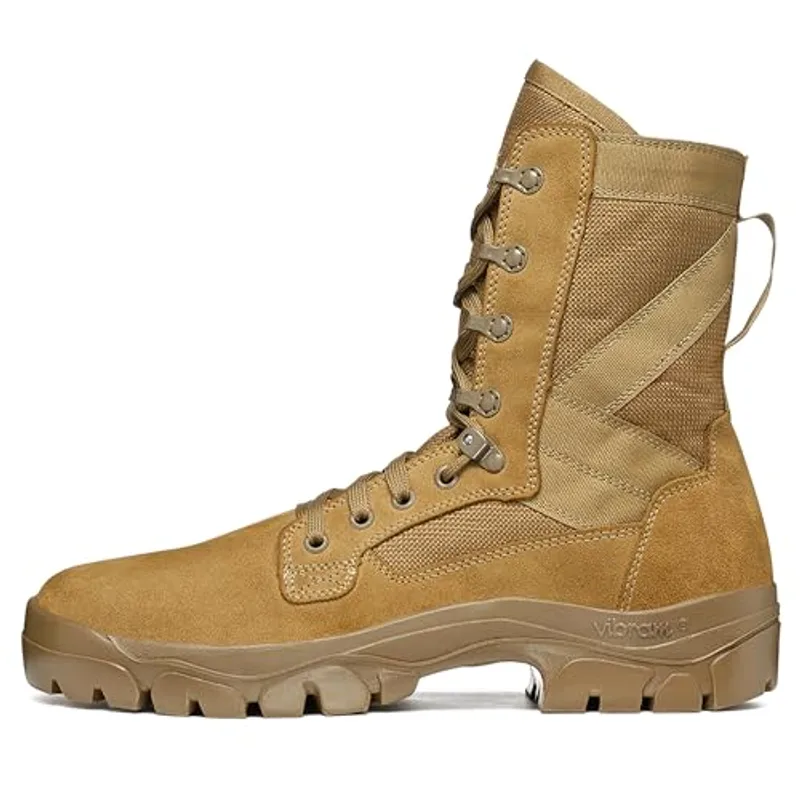
Built for professional military and serious rucking athletes. The T8 Bifida excels when weight matters and durability is non-negotiable. Perfect for s…
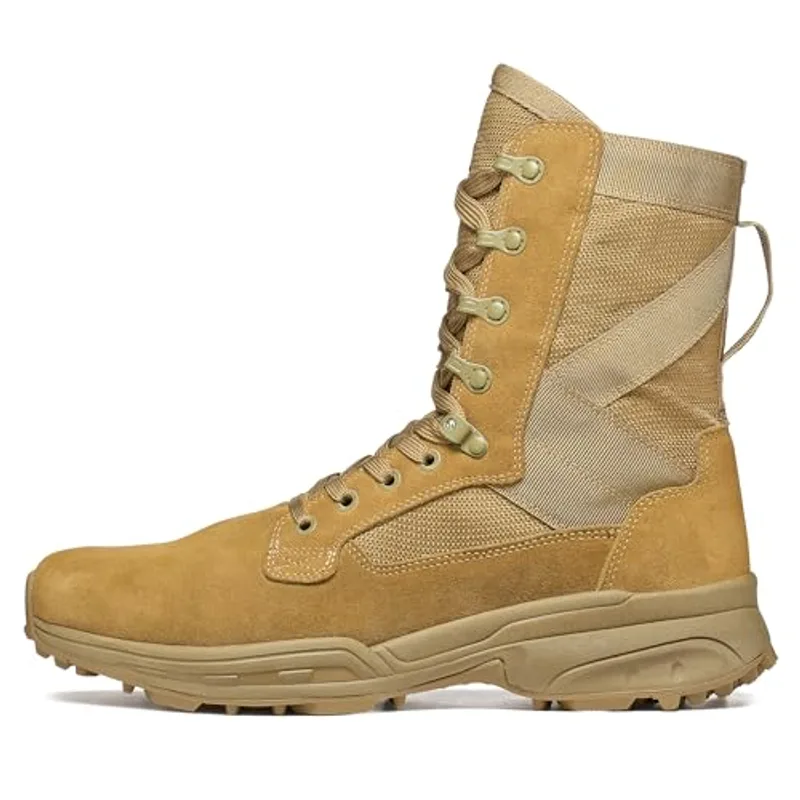
The T8 NFS 670 offers premium construction with an athletic twist. The Ortholite footbed and cleat-inspired outsole distinguish these from traditional…
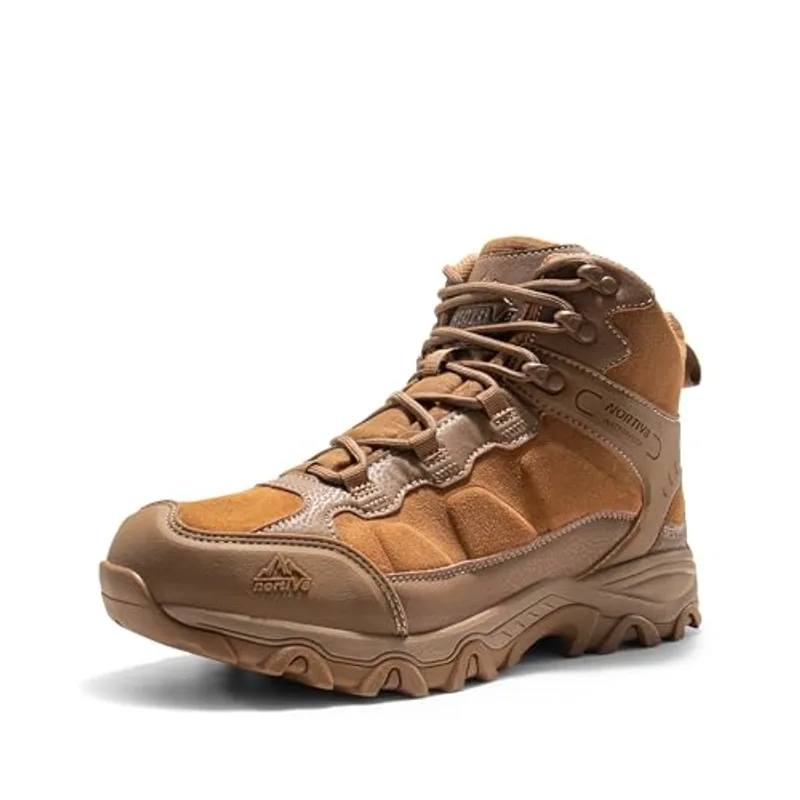
Excellent waterproof boot for ruckers seeking reliable trail performance. The NORTIV 8 balances protection, durability, and comfort—perfect for seriou…
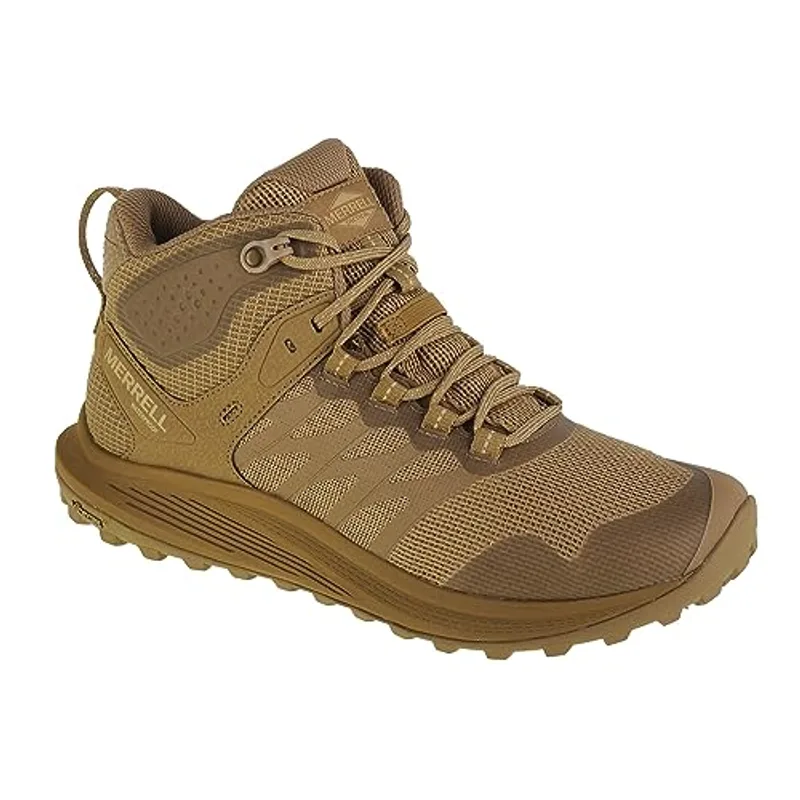
The Nova 3 Mid WP is purpose-built for trail rucking where technical terrain demands responsive footwear. The premium Merrell construction, waterproof…
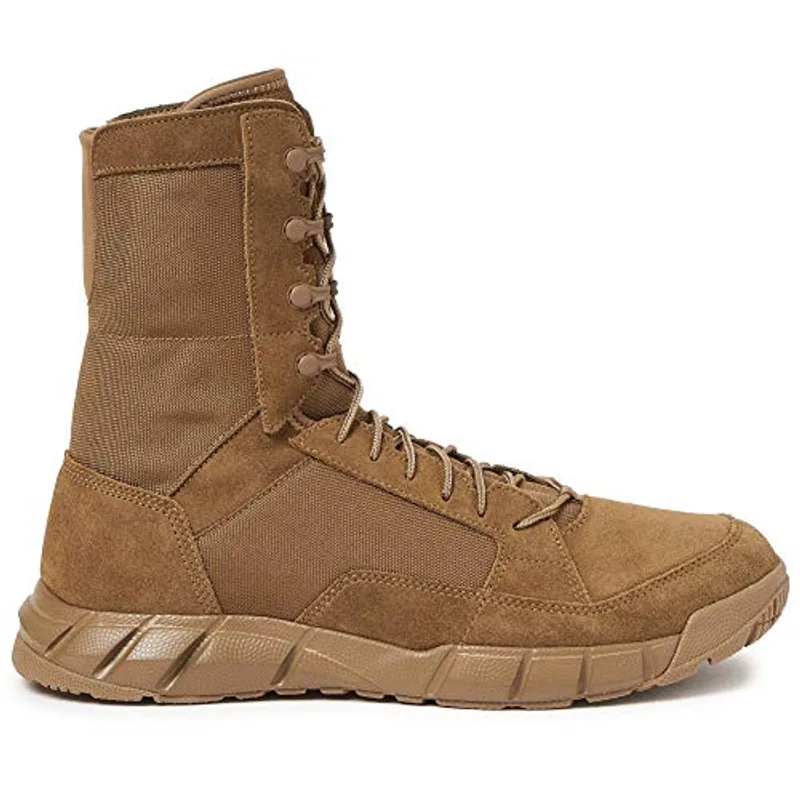
The Light Assault 2 bridges the gap between tactical protection and lightweight performance. Premium Cordura and leather construction promises durabil…
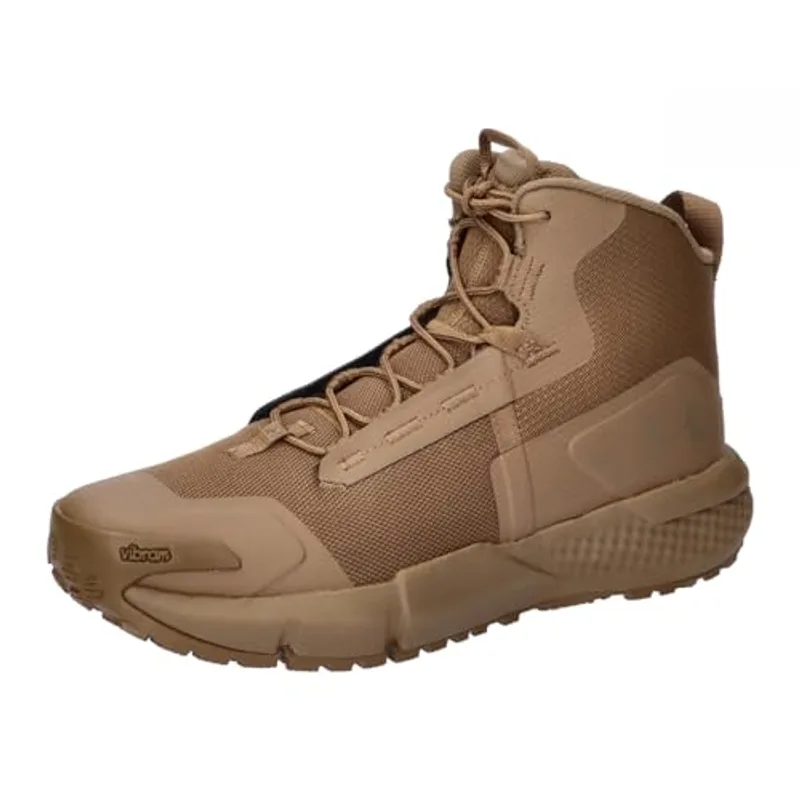
Ideal for ruckers seeking premium performance in a lightweight package. The Valsetz excels at balancing tactical durability with comfort, perfect for …
Side-by-Side Comparison
| rank | name | price | rating | best_for | weight | key_feature |
|---|---|---|---|---|---|---|
| 1 | GARMONT T8 Falcon | 140 | 9.4 | Best Overall | 11.2 oz | Alpine heritage engineering |
| 2 | Danner Tachyon 8" | 179.95 | 9.1 | Best Durability | 11.8 oz | Made in USA |
| 3 | GARMONT Bifida | 185 | 8.9 | Best Support | 11.4 oz | Premium ankle collar |
| 4 | Belleville Flyweight C320 | 203.94 | 8.8 | Best Lightweight | 9.6 oz | AR670-1 compliant |
| 5 | Oakley Light Assault 2 | 155 | 8.6 | Best Tactical | 12.1 oz | Purpose-built design |
| 6 | NORTIV 8 Tactical | 59.99 | 8.1 | Best Budget | 13.2 oz | Affordable entry point |
| 7 | GARMONT NFS 670 | 185 | 8.7 | Best Compliance | 11.5 oz | AR670-1 approved |
| 8 | Furuian Steel Toe Tactical | 39.99 | 7.5 | Ultra Budget | 14.1 oz | Minimal investment |
Frequently Asked Questions
How long do rucking boots take to break in?
Quality tactical boots typically require 40-60 miles of progressive wear to break in completely. Plan on 2-3 weeks of light rucking before pushing intensity. The stiffness that feels uncomfortable initially becomes the support structure that makes your boots perform—don't rush this process or you'll develop blisters and foot pain.
Are military-grade boots necessary for rucking?
Not required, but beneficial. Military-grade boots undergo rigorous durability testing and meet performance standards (like AR670-1) that prove their reliability. You can ruck in quality hiking boots, but mil-spec boots are engineered specifically for loaded carry and typically outlast casual footwear.
What's the difference between hiking boots and rucking boots?
Hiking boots prioritize foot comfort and minimize weight for uphill travel; rucking boots prioritize ankle support and durability under sustained vertical load. Rucking boots feature stiffer construction, stronger ankle collars, and materials that withstand repeated impact from weighted packs.
How much should I expect to spend on good rucking boots?
Quality rucking boots start around $100. Mid-range options ($120-$180) deliver excellent durability and support for serious ruckers. Premium boots ($180+) offer exceptional craftsmanship and longevity. Boots under $60 rarely provide the ankle support and durability necessary for consistent rucking.
Should I buy waterproof boots for rucking?
True waterproofing (Gore-Tex) reduces breathability and creates heat buildup during intense rucking. Most experienced ruckers prefer quick-drying boots over waterproof boots—boots that shed water and dry fast outperform boots that trap sweat. Choose waterproof only if you ruck consistently in wet conditions.
What's the lifespan of a rucking boot?
Quality boots last 1-2 years of heavy rucking (3+ times weekly) or 2-4 years of moderate use. Heel and outsole wear first—many cobblers can resole quality boots, extending life another 2+ years. Premium mil-spec boots designed for resoling can last 5+ years with proper maintenance.