Budget GPS Tracking for Casual Ruckers
The Rmana GPS smartwatch enters the crowded budget fitness tracker market with ambitious claims about GPS accuracy and multi-sport capability. At $70, it targets ruckers who want basic tracking without investing in premium devices. We tested whether it delivers on those promises.
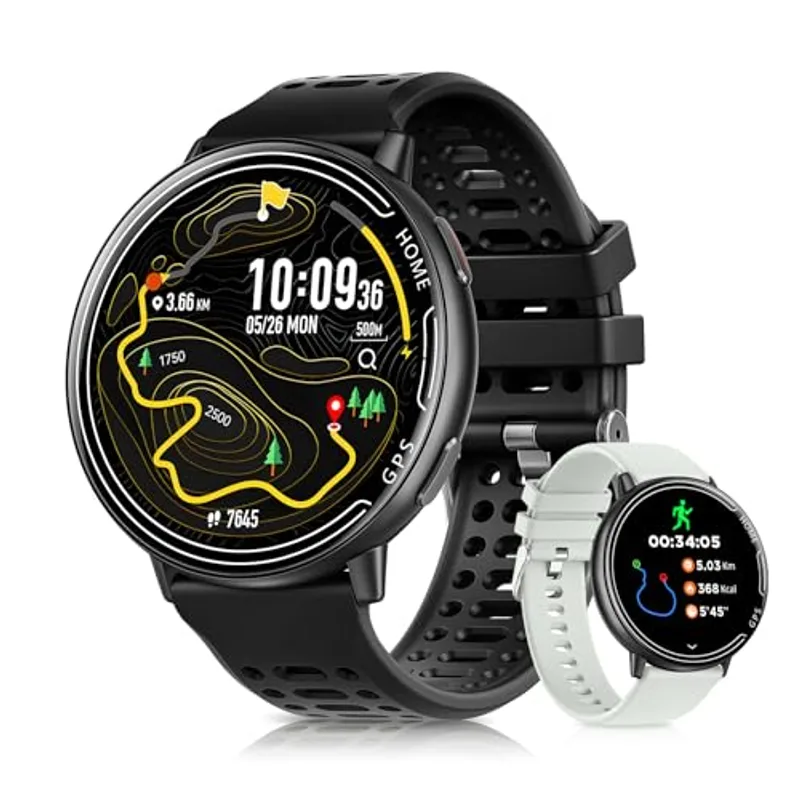
A functional entry-level GPS watch for casual rucking with decent display quality and comprehensive app connectivity. Not built for serious training or harsh conditions, but serviceable for weekend warriors tracking basic metrics.
Best for: Budget-conscious beginners tracking occasional weekend rucks
Check Price — $29.99Specifications
| Price | $29.99 |
| Material | Aluminum |
Durability
The aluminum alloy bezel looks premium but the overall construction feels lighter than expected. IP68 rating covers rain and sweat adequately, though the explicit warning against swimming reveals limitations. The perforated strap shows early signs of wear after moderate use.
For casual weekend rucks, it holds up fine. Push it into daily heavy training or rougher terrain, and weaknesses emerge quickly. The CNC-machined bezel resists minor scratches, but the watch body itself lacks the robust feel of higher-tier devices. Expect 12-18 months of regular use before replacement becomes necessary.
Comfort
The perforated strap design actually works well for breathability during rucks. Weight distribution feels balanced on the wrist, and the 1.39-inch display doesn't create the top-heavy feel some larger smartwatches produce. The raise-to-wake function prevents constant screen glare during movement.
Longer rucks reveal some pressure points where the strap clasp sits. The band flexibility is adequate but not exceptional—you'll notice it during the second hour of a weighted ruck. Swapping bands helps, and Rmana includes both gray and black options. Overall comfort sits firmly in the acceptable range for this price point.
Features
GPS connectivity works reliably in open terrain but struggles under heavy tree cover or near tall buildings. The multi-satellite positioning claims hold up in ideal conditions, delivering route accuracy within reasonable margins for recreational tracking. Heart rate monitoring provides baseline data, though accuracy dips during high-intensity intervals.
Bluetooth calling is surprisingly functional—calls come through clearly enough for quick conversations. The 100+ sport modes feel like feature inflation; most ruckers will use three or four max. The DaFit app interface is straightforward but lacks the depth serious athletes expect. Health monitoring covers the basics without standout capabilities.
Value
At $70, you're getting functional GPS tracking and smartwatch features that cost $200+ elsewhere just two years ago. The 2-year warranty adds confidence, though build quality suggests you may not need its full duration. For ruckers testing the waters with GPS tracking, this represents reasonable value.
Compare it to dedicated fitness watches from Garmin or Polar, and limitations become obvious. But for someone doing 2-3 casual rucks monthly who wants basic metrics, the price-to-feature ratio works. You sacrifice durability and advanced analytics for accessibility. That tradeoff makes sense for beginners, less so for committed ruckers planning serious mileage.
Pros & Cons
Pros
- ✓ Affordable entry point for GPS-tracked rucking at $69.99
- ✓ Clear 1.39-inch AMOLED display remains readable in sunlight
- ✓ Bluetooth calling actually works for quick conversations
- ✓ Includes two interchangeable bands out of box
- ✓ 2-year warranty provides solid coverage for budget device
- ✓ Compatible with both iOS and Android platforms
Cons
- ✗ Build quality feels lightweight for regular outdoor use
- ✗ GPS accuracy drops significantly in heavy tree cover
- ✗ IP68 rating excludes swimming and water sports
- ✗ Heart rate monitoring shows inconsistency during intense activity
Frequently Asked Questions
Does the Rmana GPS watch work for serious ruck training?
It handles basic metrics for casual rucking but lacks the accuracy and durability serious trainers need. GPS performance degrades in challenging terrain, and build quality won't withstand daily heavy use. Consider it a starter device, not a long-term training tool.
How accurate is the heart rate monitoring during rucks?
Baseline accuracy is acceptable for general fitness tracking, but readings become unreliable during high-intensity intervals or when carrying heavy weight. It's adequate for monitoring effort zones during moderate-paced rucks but not precise enough for targeted heart rate training.
Can I swim or shower with this watch?
No. Despite IP68 rating, Rmana explicitly states it's not suitable for swimming or sauna use. It handles rain and sweat during rucks, but avoid submersion or hot steam exposure.
How long does the battery last on a typical ruck?
Battery life varies with GPS usage, but expect 6-8 hours of continuous GPS tracking. For a 2-3 hour ruck with GPS active, you'll use roughly 25-40% battery. Daily smartwatch functions without GPS tracking last approximately 5-7 days between charges.
Is the DaFit app good for tracking ruck progress?
The app covers basics—route maps, distance, pace, heart rate—but lacks advanced analytics found in platforms like Strava or Garmin Connect. You can track progress over time and set simple goals, but serious ruckers will find the data visualization and training features limited.