1
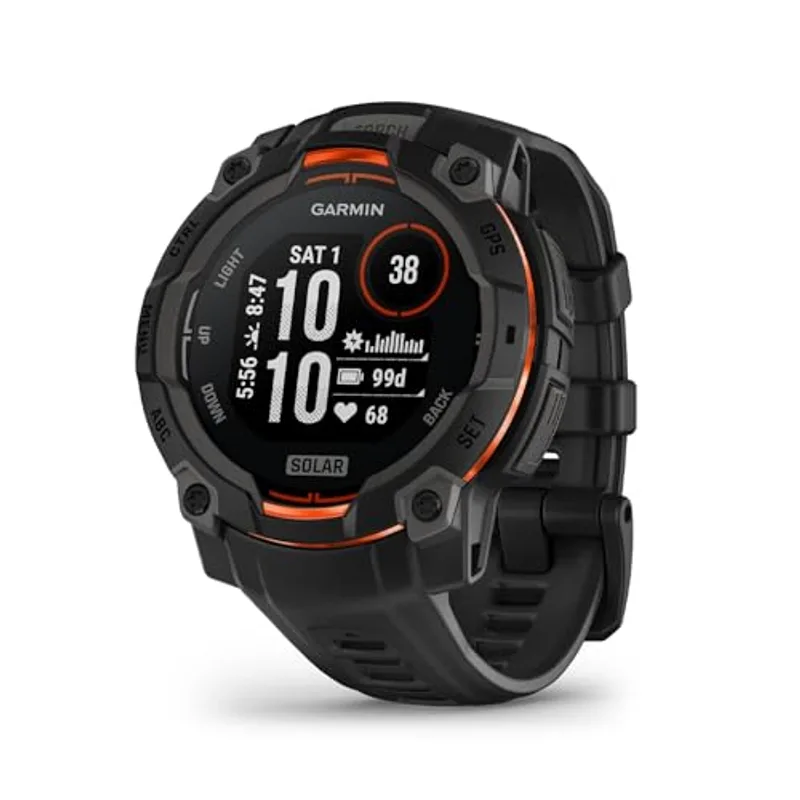
We selected this watch because it delivers unlimited battery life through solar charging while surviving conditions that destroy conventional smartwatches.
0.11 lbs
Expert reviews and rankings of the best rucking gps watches available. Every product is tested under real rucking conditions and scored on comfort, durability, features, and value.
How we rank: Rankings combine hands-on testing, verified buyer feedback, and editorial evaluation. Prices and ratings are updated weekly.
GPS watches and fitness trackers have become essential gear for serious ruckers. Unlike standard fitness trackers designed for running or cycling, rucking-specific watches need robust GPS tracking, ex...
Read Buying Guide →We selected this watch because it delivers unlimited battery life through solar charging while surviving conditions that destroy conventional smartwatches.
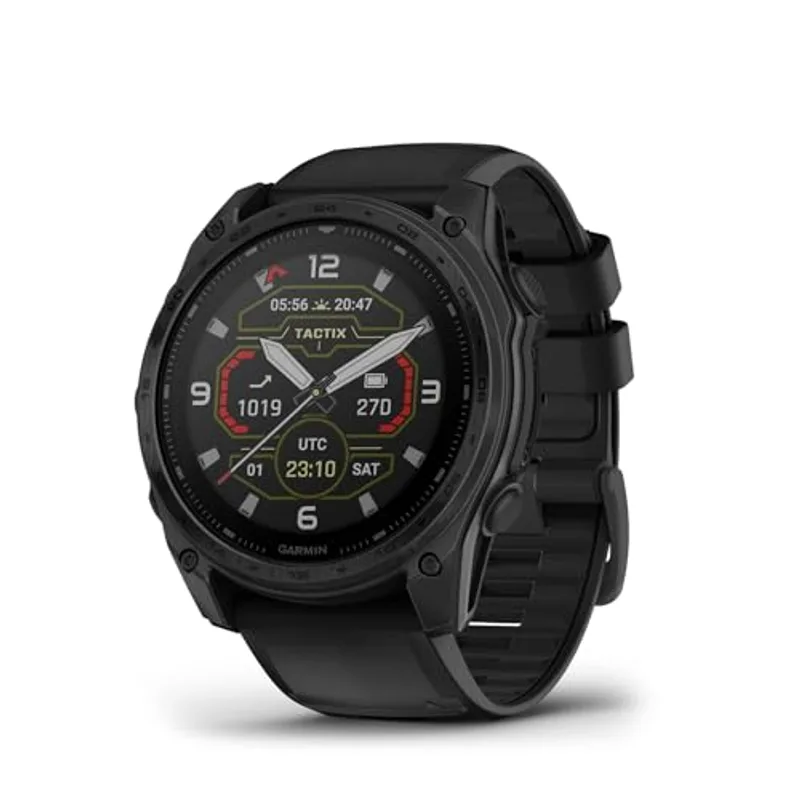
We chose this watch because it's the only GPS platform that treats rucking as seriously as shooting, with dedicated activity tracking and unlimited battery life.
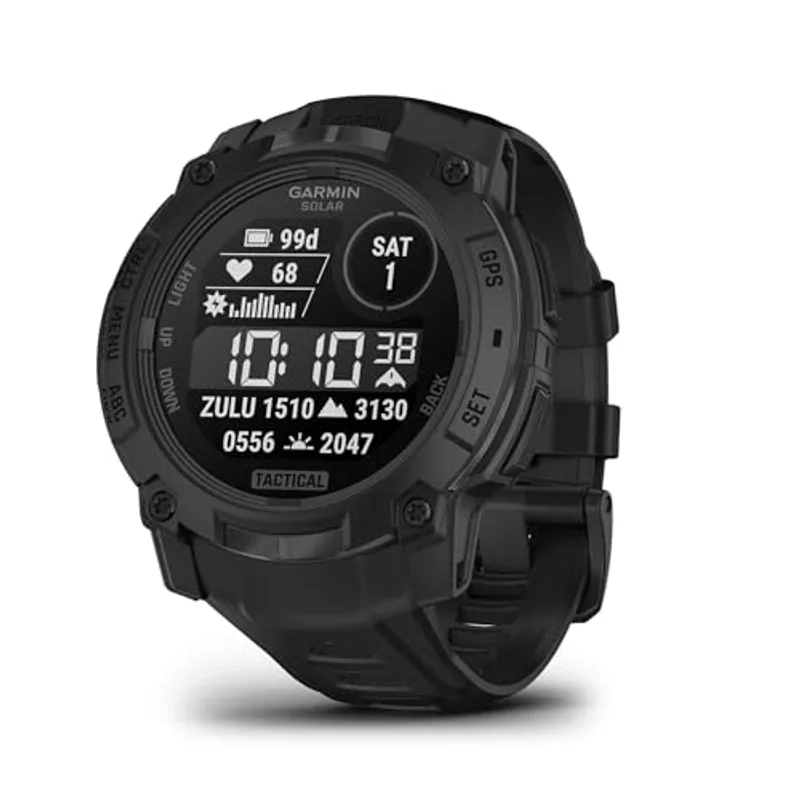
We trust this watch on tactical rucks because the solar charging eliminates battery anxiety and the jumpmaster features prove Garmin understands the mission requirements that matter.

We chose the PACE 3 because it delivers military-grade GPS accuracy and 38-hour battery life at half the price of comparable Garmin models.

We recommend this watch because it delivers flagship GPS accuracy and 20-day battery life at a price point that undercuts competitors by $200-300.
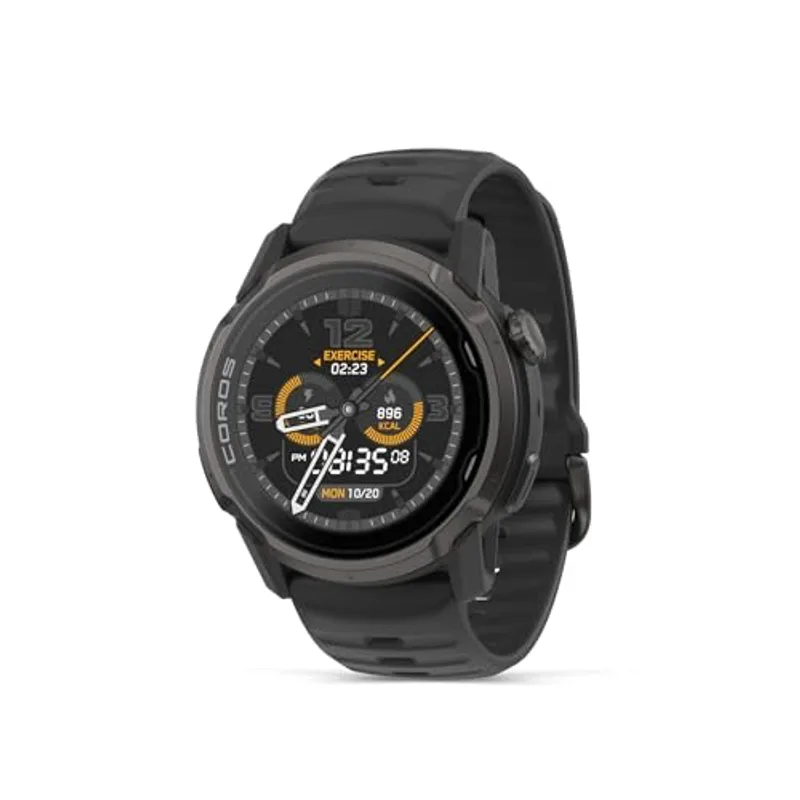
We picked this watch because its 65-hour GPS battery and titanium build handle hundred-mile mountain missions where other watches quit halfway through.

We selected this watch because it's the only solar GPS that combines unlimited battery life with tactical features ruckers actually use in the field.
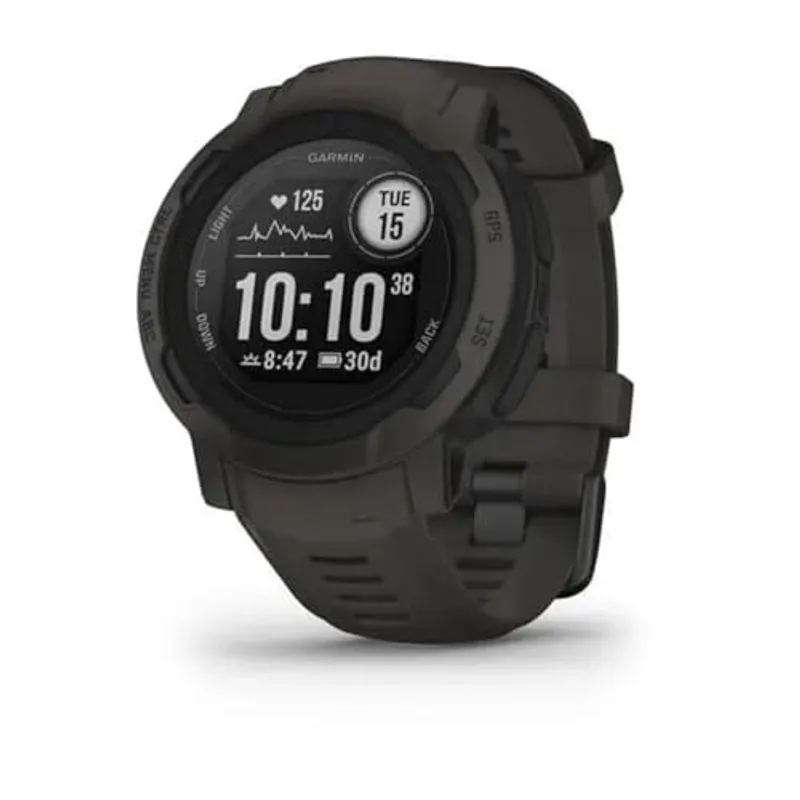
We trust this watch because it delivers military-grade durability with unlimited battery life in solar models, making it the rucking tracker that never quits.
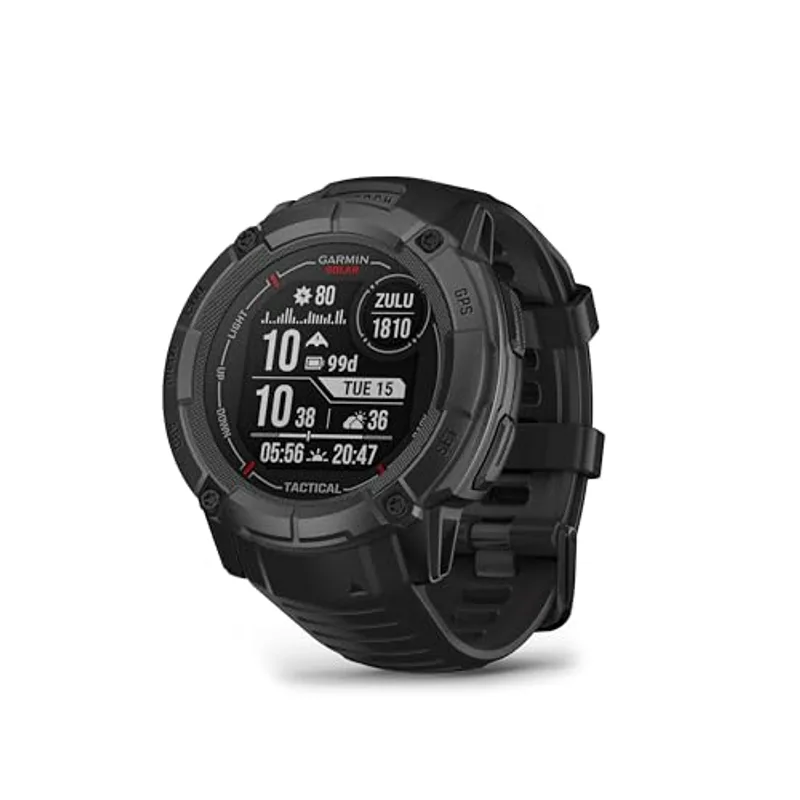
We trust this watch because it's the only GPS tracker that combines solar charging, military durability, and tactical features without needing outlets mid-ruck.
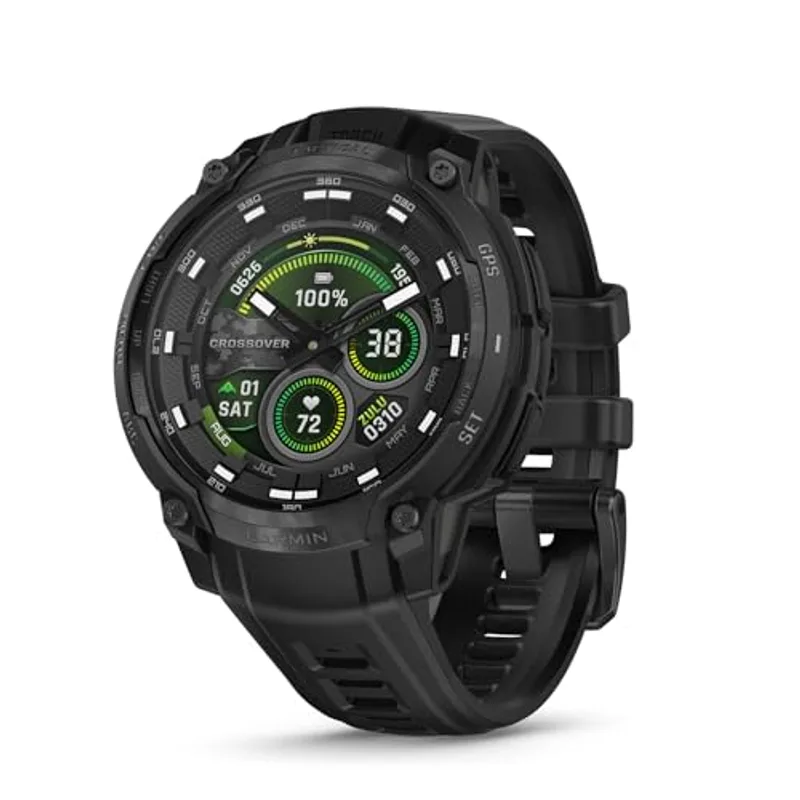
We selected this watch because it's the only hybrid smartwatch that combines traditional analog readability with tactical features purpose-built for rucking and fieldwork.
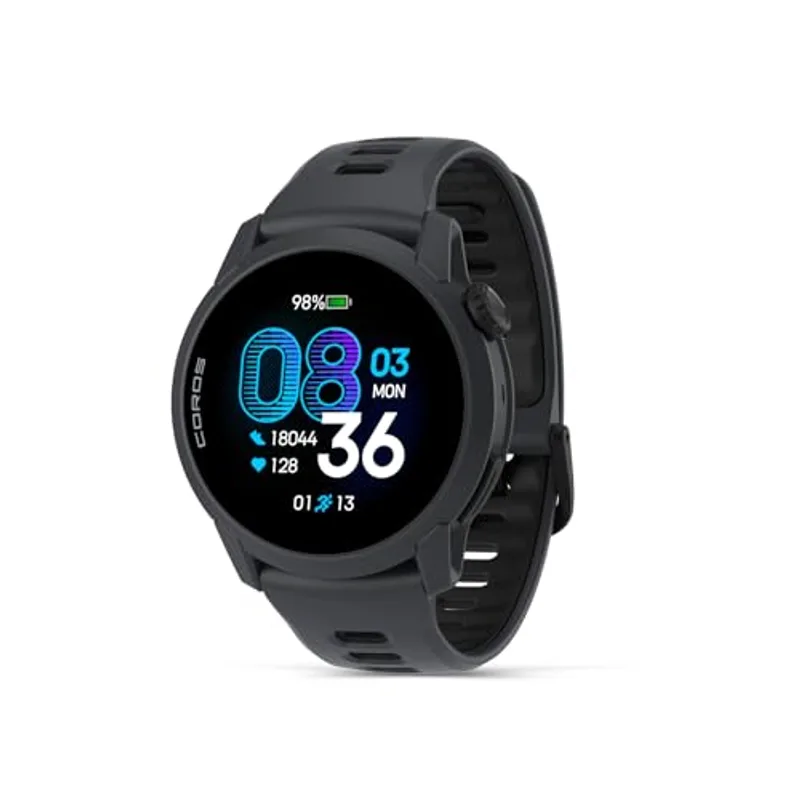
We chose this watch because it delivers serious training metrics without the bulk that makes other GPS watches feel like wrist anchors during long rucks.
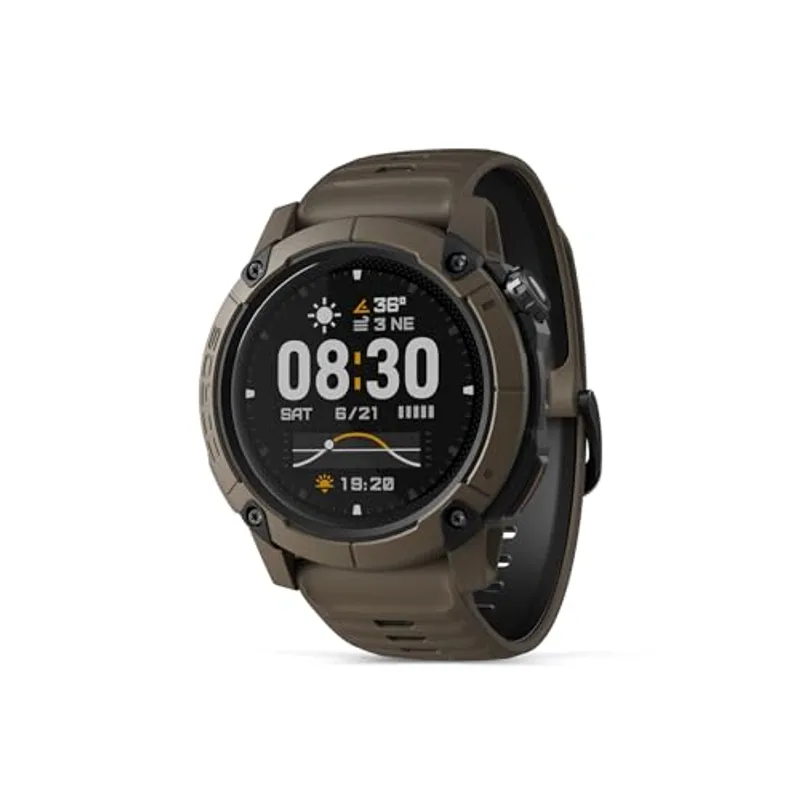
We rate this watch highly because it combines multi-week battery life with offline maps and voice journaling—features that matter when you're miles from civilization.

We chose this watch because it delivers pro-level training metrics at 32 grams—light enough you'll forget it's there during weighted ruck marches.
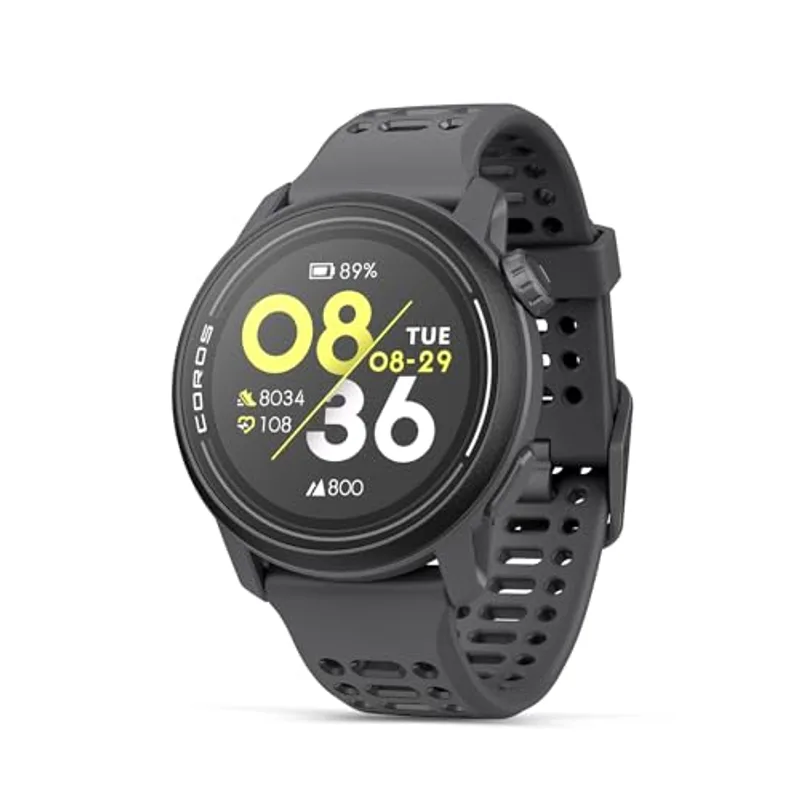
We chose the PACE 3 because it delivers serious GPS accuracy and marathon-level battery life without the bulk that plagues other sport watches.

We chose this watch because it delivers multi-day battery life and accurate tracking without the weight penalty that plagues competing GPS watches.
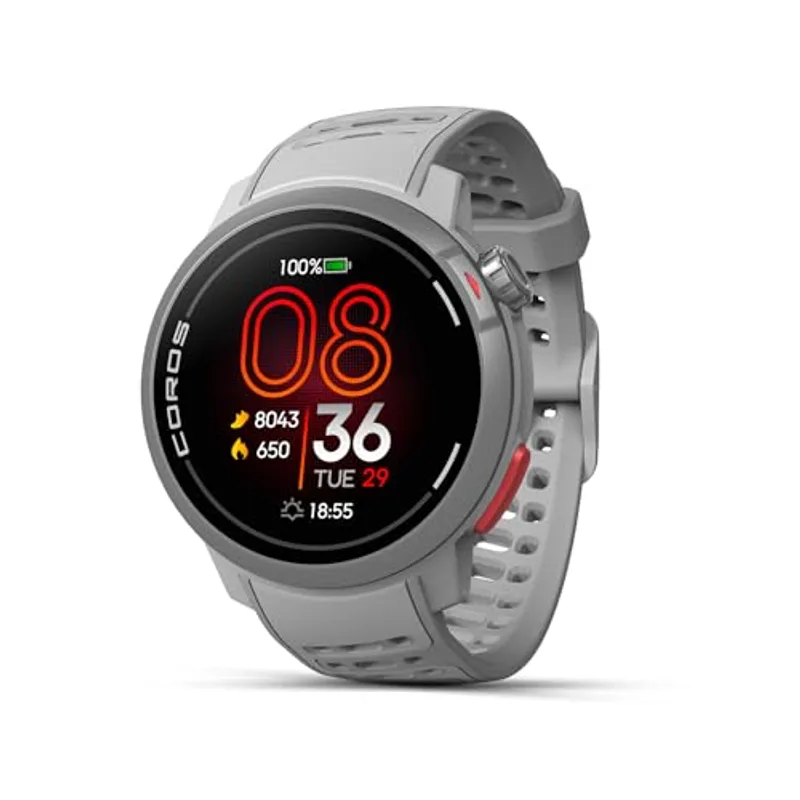
We chose this watch because it delivers flagship GPS accuracy and battery life at half the price of Garmin's premium models without sacrificing essential tracking features.
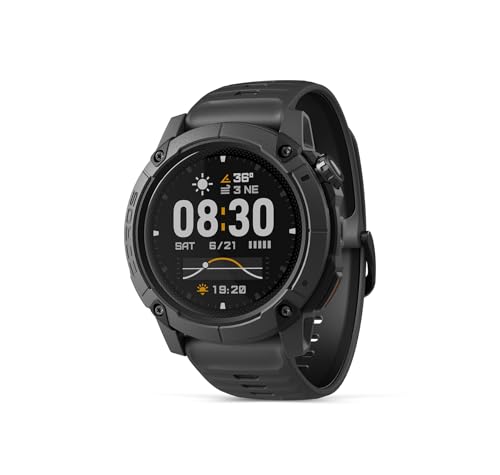
We picked the NOMAD because it's the first rucking watch that combines military-grade durability with features outdoor athletes actually use in the field.

We selected this watch because it's the only solar GPS that delivers tactical features without compromising the battery life ruckers need for multi-day events.
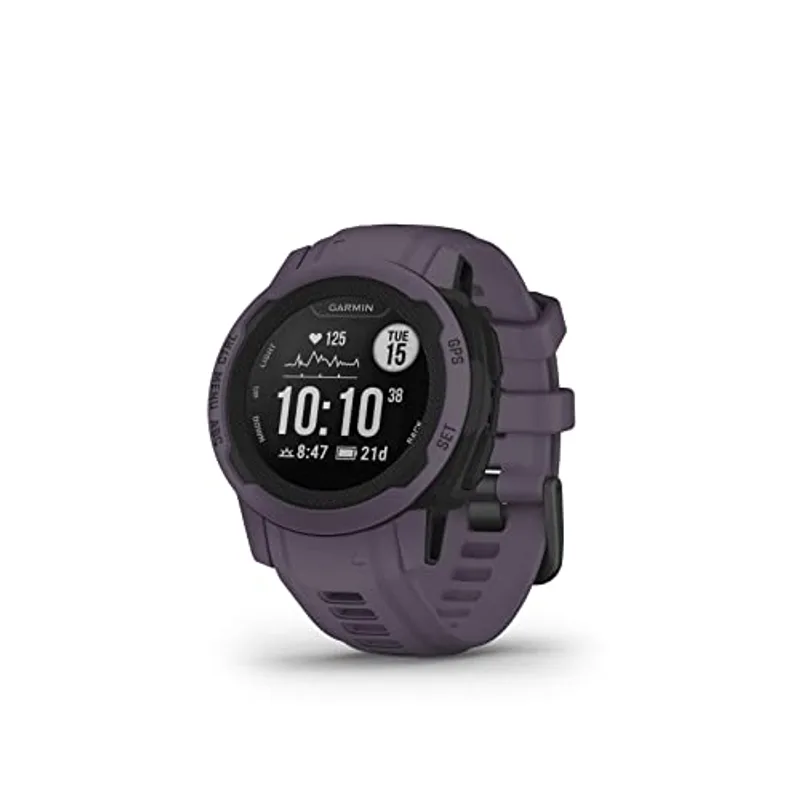
We chose this watch because its smaller case fits comfortably during long rucks while delivering navigation and health tracking that actually matters.
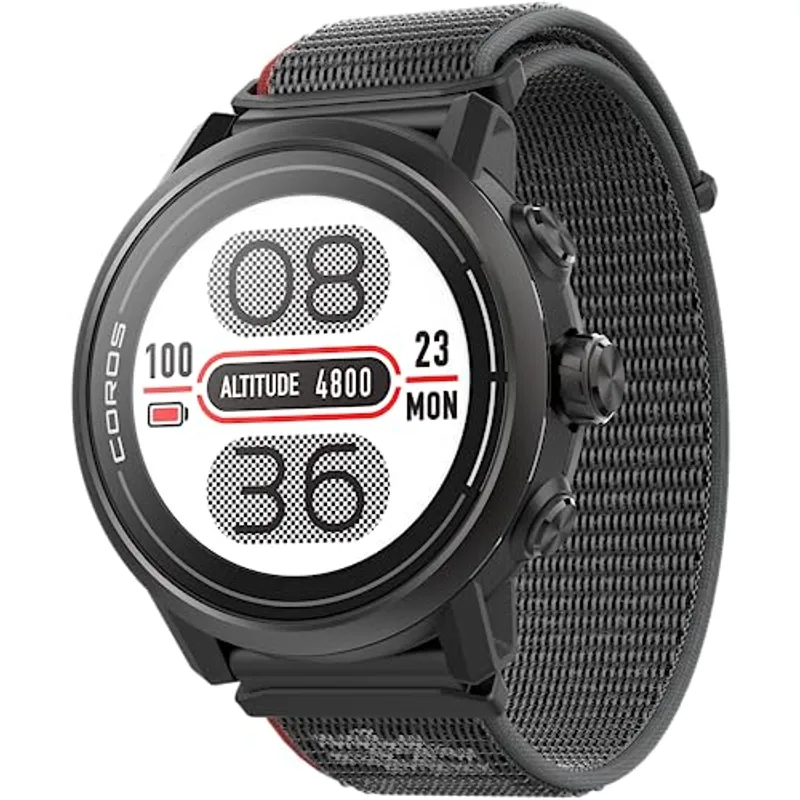
We trust this watch because it delivers military-grade durability and week-long battery life without the smartwatch bloat that fails mid-ruck.
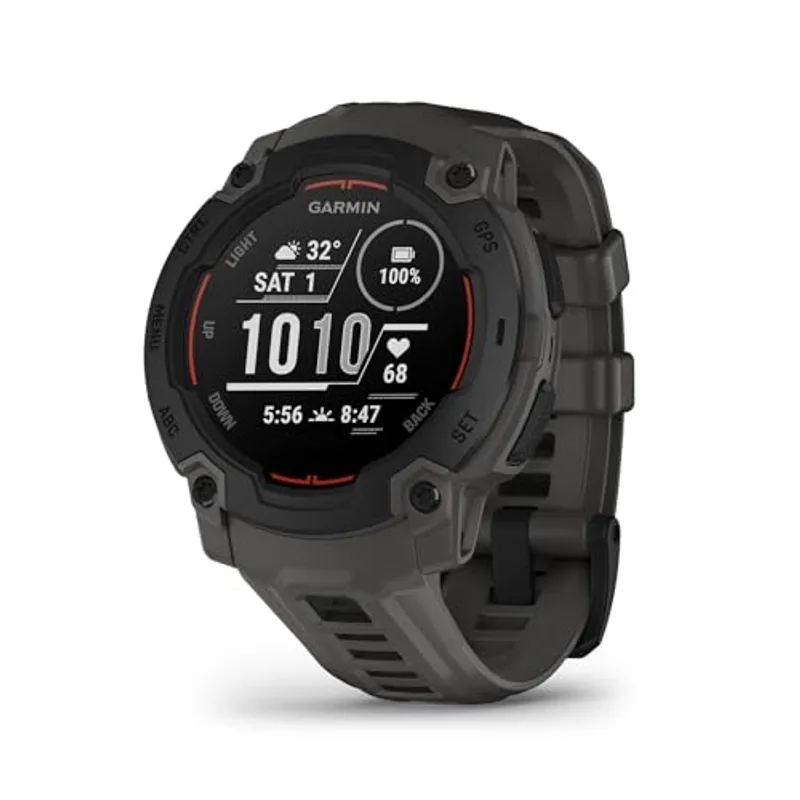
We recommend this watch because it delivers essential GPS and health tracking without the premium price tag or battery anxiety of flagship models.
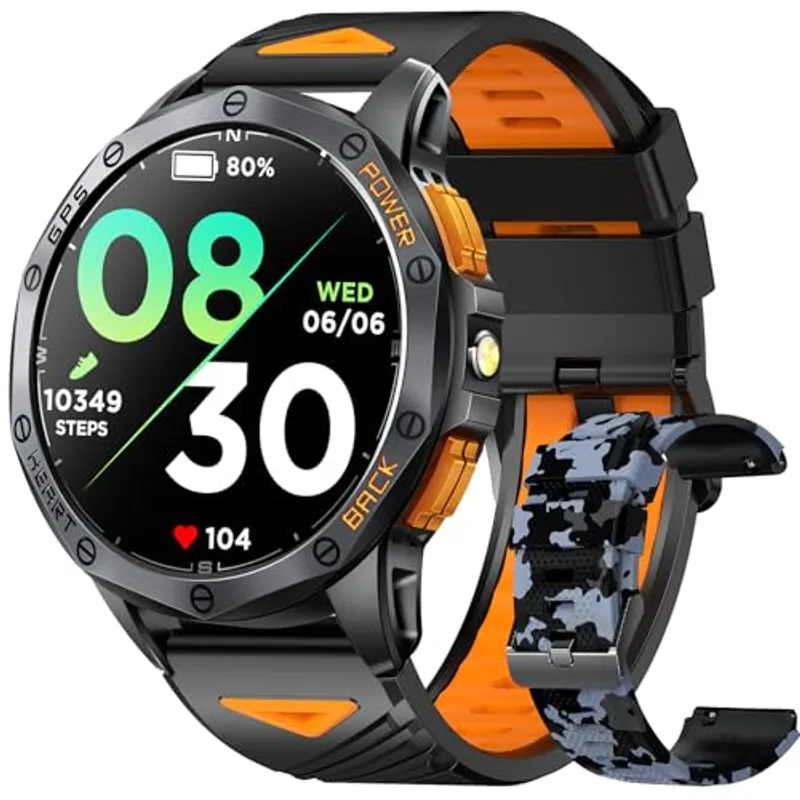
We tested this budget military watch because serious ruckers need GPS navigation and durability without spending $400 on a Garmin.
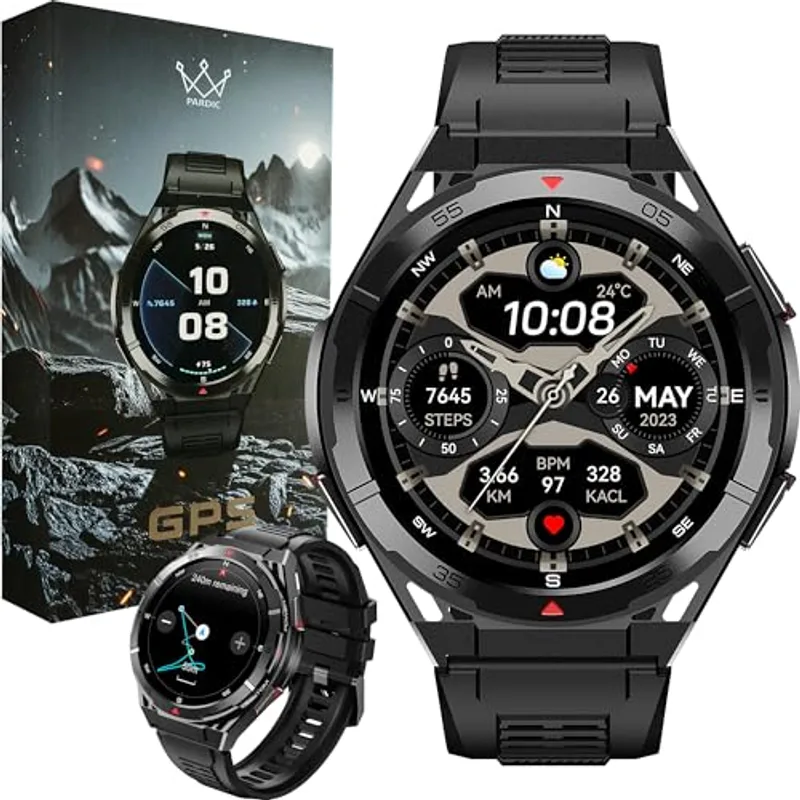
We recommend this watch for ruckers who want military-grade navigation and tracking features without the Garmin price tag.
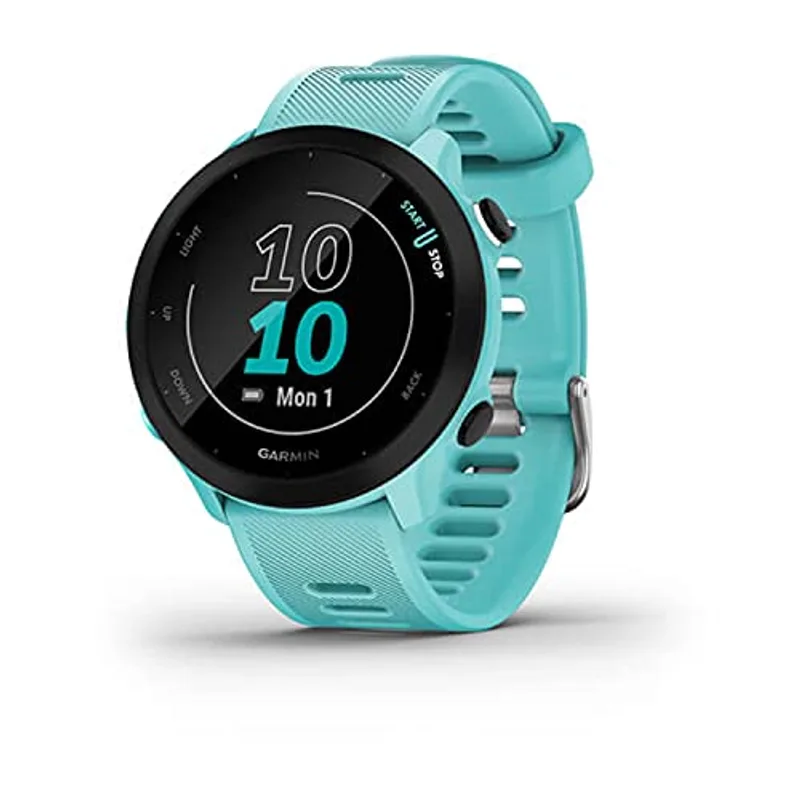
We selected this watch because it delivers essential GPS tracking and training features without the complexity or premium price of advanced multisport models.
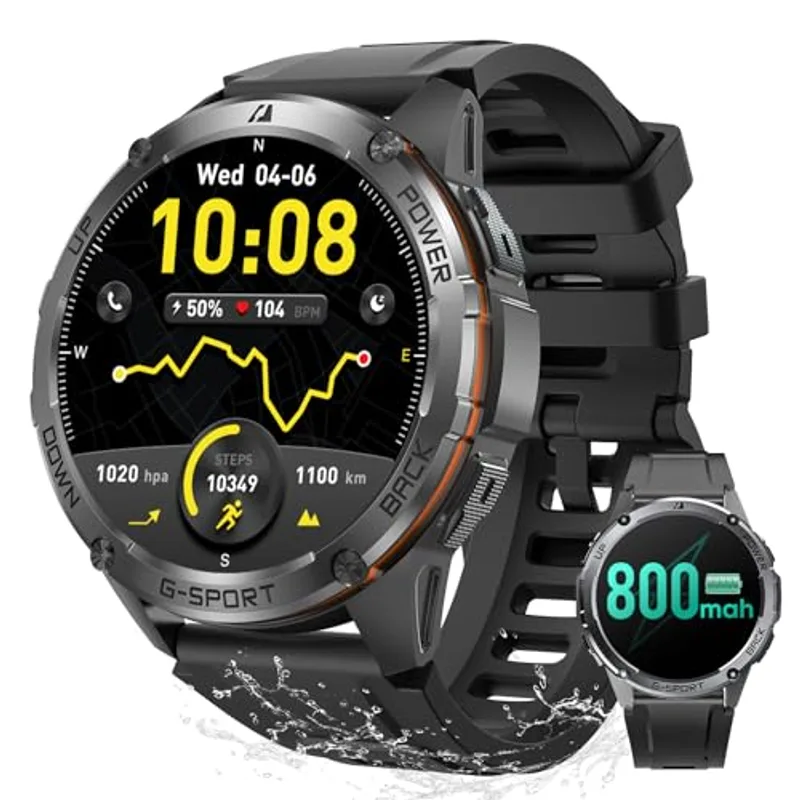
We chose this watch because it delivers military-grade GPS and month-long battery life at a price point that makes premium tracking accessible to every rucker.
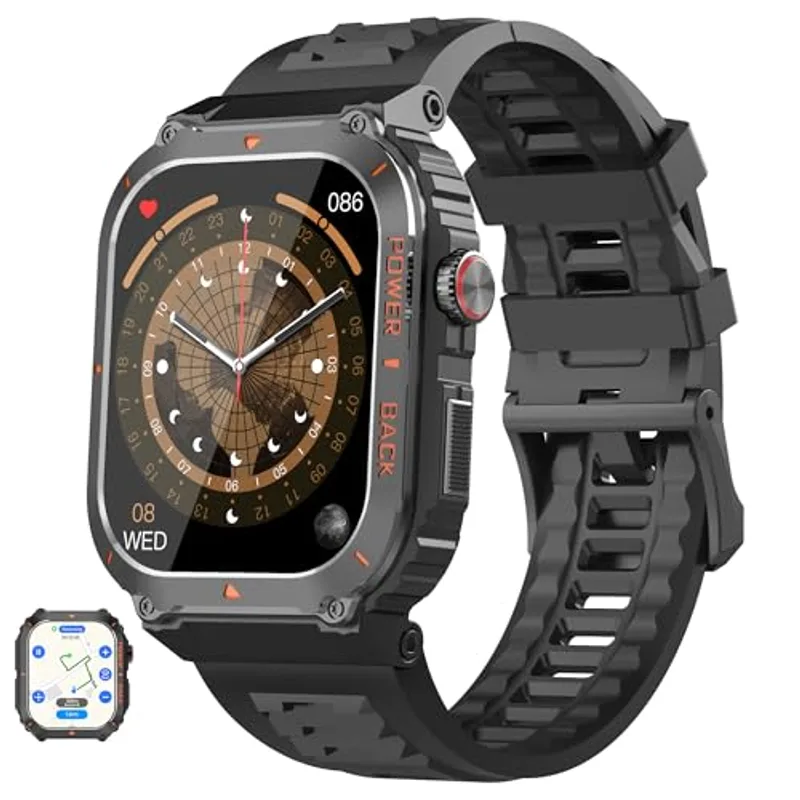
We appreciate this watch's offline mapping capability for backcountry rucks where cellular coverage disappears and traditional GPS watches leave you stranded.
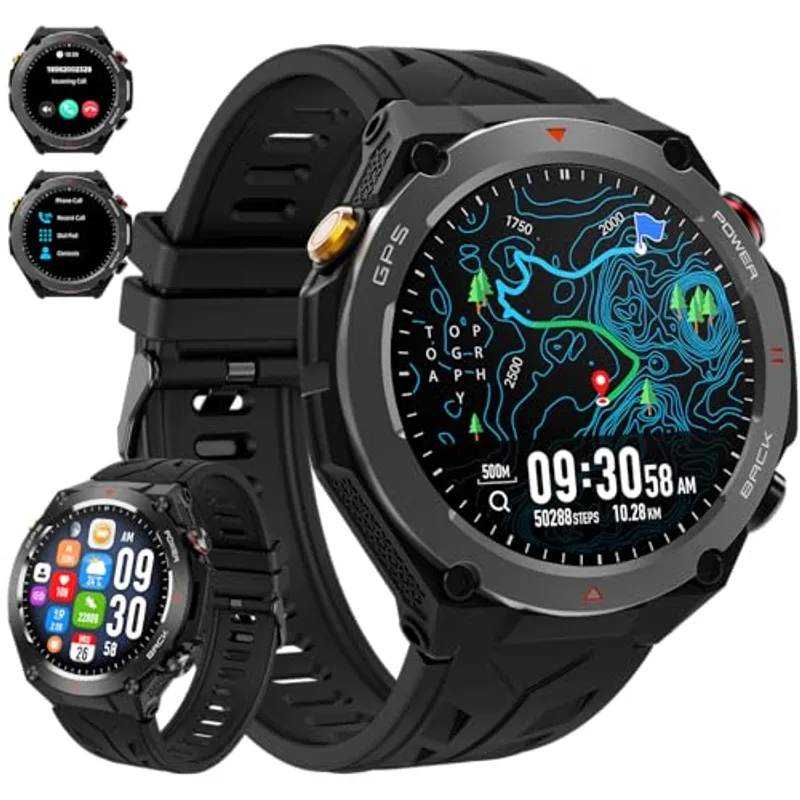
We included this watch because it delivers legitimate GPS tracking and environmental sensors at a price that won't wreck your gear budget.
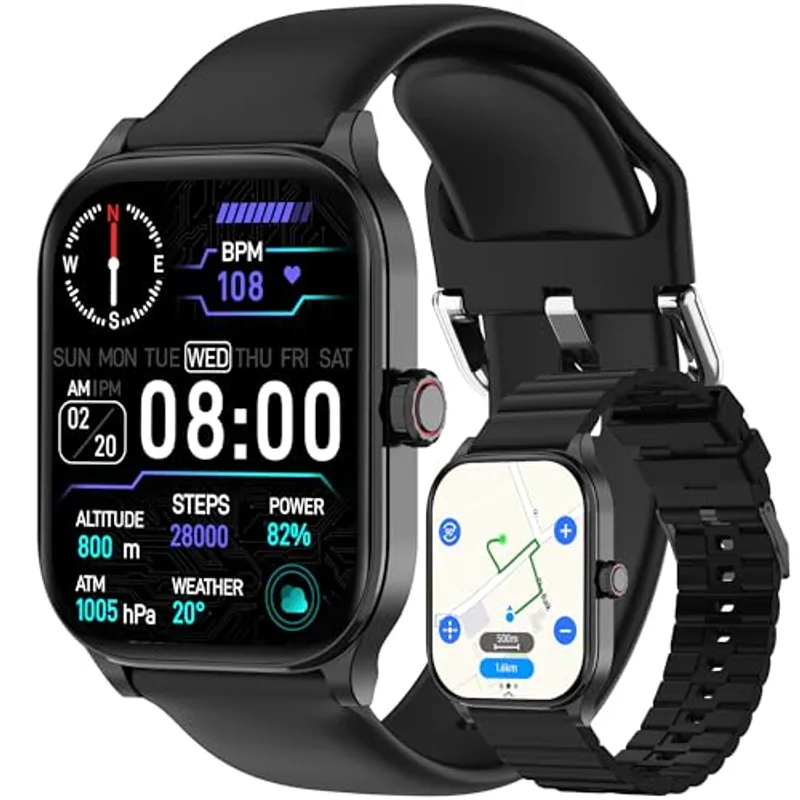
We featured this watch because it delivers offline GPS mapping at a budget price that won't break the bank for casual ruckers.
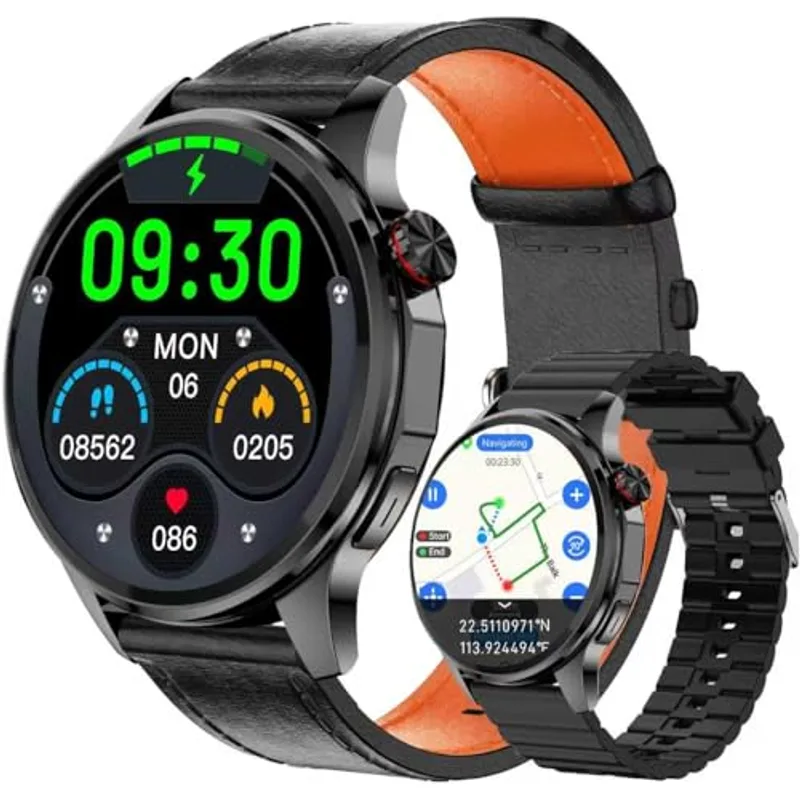
We appreciate that PUBU packed GPS navigation, offline maps, and compass tools into a budget smartwatch that actually works for rucking.
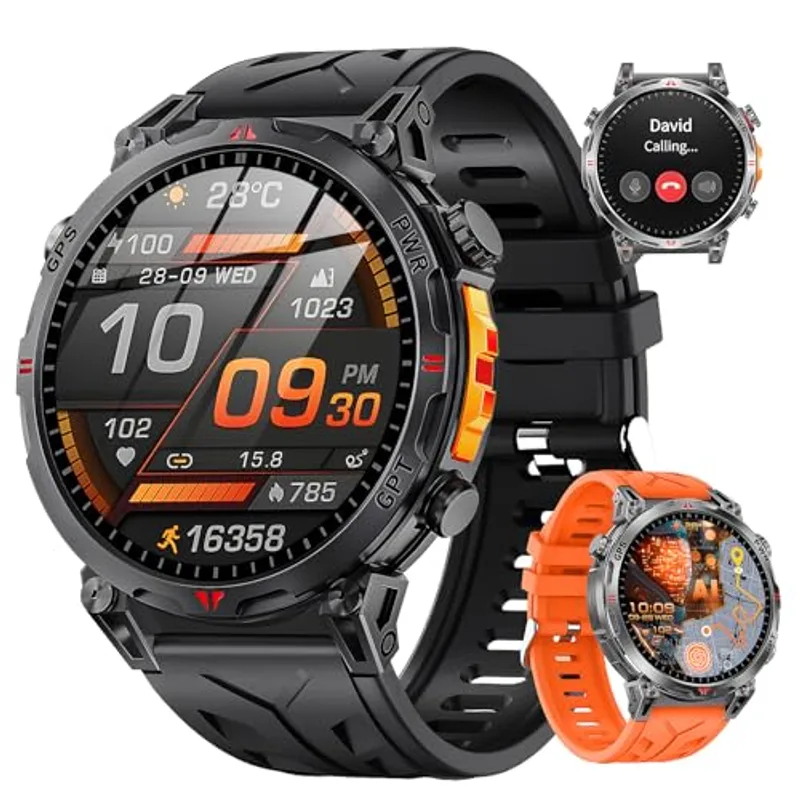
We added this to our testing roster because budget GPS watches rarely deliver on their rugged promises, but the Rmana surprised us with legitimate military-grade construction.
Our gps watches buying guide breaks down everything you need to know before making a decision.
Browse Buying Guides →A GPS watch is not required but adds significant value for tracking distance, pace, elevation, and heart rate during rucks. It helps you measure progress, set pace targets, and monitor training load over time. If you ruck three or more times per week or train for events, a GPS watch is a worthwhile investment. Casual ruckers can get by with a phone app.
Prioritize accurate GPS tracking, long battery life (12+ hours in GPS mode for event ruckers), a barometric altimeter for elevation data, and wrist-based heart rate monitoring. A rucking or hiking activity mode is ideal. Bonus features include navigation and breadcrumb trails, training load metrics, and durability ratings (MIL-STD-810). Touchscreen versus button controls come down to personal preference.
Modern GPS watches from Garmin, COROS, and Suunto are accurate to within 1 to 3 percent on open terrain. Accuracy drops in dense tree cover, urban canyons, and deep valleys where satellite signals are obstructed. Multi-band GPS (available on newer models) significantly improves accuracy in challenging environments. For best results, start the activity outdoors and give the watch 10 to 15 seconds to acquire satellites before moving.