REP Fitness Sandbag: Military-Grade Durability Tested
REP Fitness built their sandbag with 1000D Cordura nylon and seven reinforced handles, targeting serious functional athletes. After testing this large version through carries, cleans, and rucking sessions, we found a tool that bridges the gap between traditional weighted gear and dynamic training equipment.
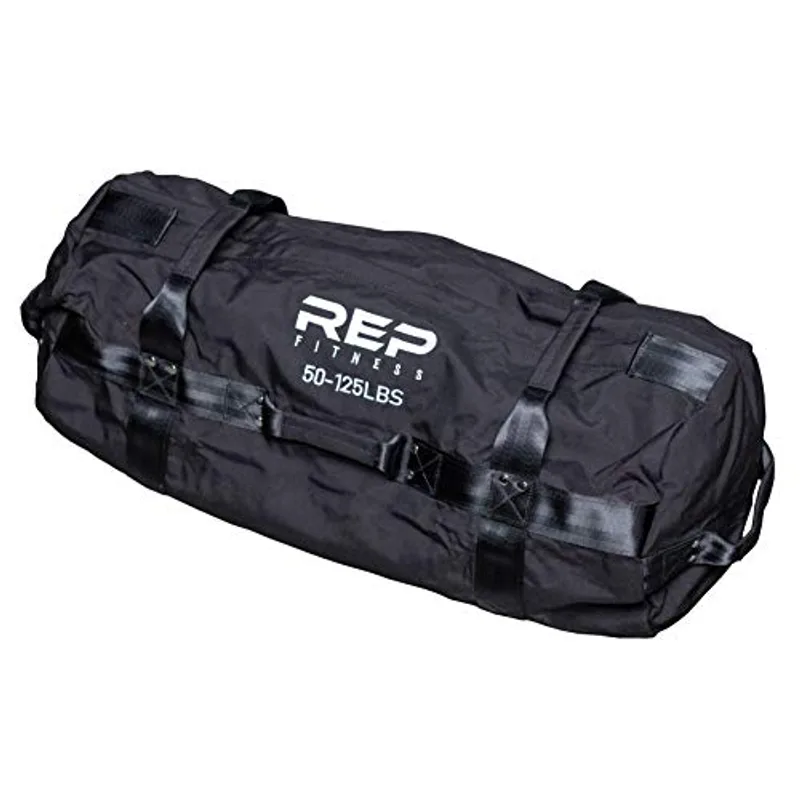
A rugged, versatile sandbag that handles serious abuse. At $69.99 for the large size, it's competitively priced for the durability you're getting. Best suited for experienced athletes who need adjustable, odd-object training.
Best for: Functional athletes seeking durable, adjustable odd-object training
Check Price — $69.99Specifications
| Price | $69.99 |
| Weight | 3 lbs |
| Material | Nylon, Cordura |
Durability
The 1000D Cordura shell is legitimately tough. We dragged this bag across concrete, dropped it from shoulder height repeatedly, and subjected it to outdoor training in wet conditions. The triple-stitched seams held without fraying, and the metal grommets showed no signs of tearing away from the fabric.
The internal filler bags use industrial hook-and-loop closures that maintain their grip even after dozens of adjustments. Where cheaper sandbags fail at the stress points, REP reinforced every critical junction with cross-stitching. After extensive use, this bag shows minimal wear beyond surface dirt.
The water-resistant coating works as advertised. Post-rain training sessions, the bag shed moisture quickly and didn't develop the musty smell that plagues lower-quality alternatives.
Comfort
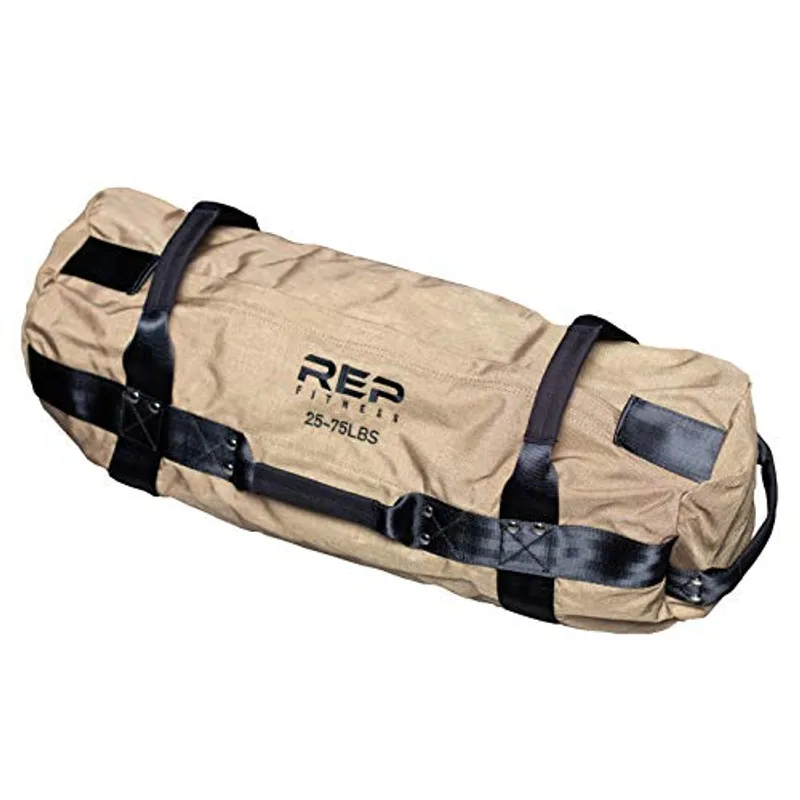
Seven handles sounds excessive until you actually train with this bag. The strategic placement means you always have a grip option regardless of movement pattern — cleans, shouldering, bear hugs, or farmer carries all feel natural.
The handles themselves strike a balance between padding and durability. They're soft enough to prevent hand chafing during high-rep work, but not so cushioned that they compromise grip security. During extended rucking sessions with the bag on our back, the handles didn't create pressure points.
One limitation: the bag itself offers no back padding. If you're using this for rucking specifically, the shifting sand creates an uneven load against your body. It's manageable for shorter distances but noticeably less comfortable than purpose-built ruck plates for long hauls.
Features
The large size adjusts from 50 to 125 pounds, giving you serious training range in one package. Four internal filler bags let you customize weight distribution, which changes how the bag behaves during dynamic movements. More bags equals more shifting, more core challenge.
At 32 inches long, this size works for most users but could feel unwieldy for shorter athletes during certain movements. The compact storage footprint is real — this bag takes up far less space than equivalent weight in plates or kettlebells.
The color options are purely aesthetic, but having seven choices means you can color-code multiple bags if you're outfitting a gym or want instant weight identification. The water-resistant shell extends the training environment beyond your garage, making outdoor workouts genuinely practical.
Value
At $69.99, the large REP sandbag sits in the middle of the market. You can find cheaper sandbags, but they typically sacrifice durability or handle quality. Premium options exist at $90-120, but the performance gap doesn't justify the price difference for most users.
The adjustable weight range delivers strong value — you're essentially buying multiple training weights in one package. For home gym owners working with limited space and budget, this versatility matters. Compare this to buying 50, 75, 100, and 125-pound fixed-weight implements.
The durability justifies the cost. Cheap sandbags that fail within months actually cost more long-term. REP's construction suggests years of use, making the per-workout cost negligible. For serious functional training or rucking supplementation, this is money well spent.
Pros & Cons
Pros
- ✓ Military-grade 1000D Cordura construction handles extreme abuse
- ✓ Seven reinforced handles provide grip options for every movement
- ✓ Adjustable 50-125 lb range in the large size
- ✓ Water-resistant shell enables outdoor training
- ✓ Compact storage compared to equivalent fixed weights
- ✓ Fast-drying material prevents moisture retention
Cons
- ✗ No back padding makes extended rucking less comfortable
- ✗ Shifting sand creates uneven load during movement
- ✗ 32-inch length may be unwieldy for shorter athletes
- ✗ Requires separate sand purchase to use
Frequently Asked Questions
Can I use this sandbag for rucking?
Yes, but with limitations. The seven handles make it easy to carry, and the durability holds up to outdoor use. However, the lack of back padding and shifting sand create a less comfortable experience than purpose-built ruck plates for distances beyond 2-3 miles.
What type of sand should I use?
Play sand from hardware stores works best. It's clean, affordable, and the right consistency. Avoid construction sand (too coarse) or beach sand (retains moisture). You'll need approximately 120-150 pounds of sand to fill the large size to capacity.
How do the internal filler bags work?
The large size includes four separate filler bags with hook-and-loop closures. Fill each bag with your desired amount of sand, seal them, then place them inside the main shell. This lets you adjust total weight and control how much the load shifts during movement.
Is this better than a weighted vest for training?
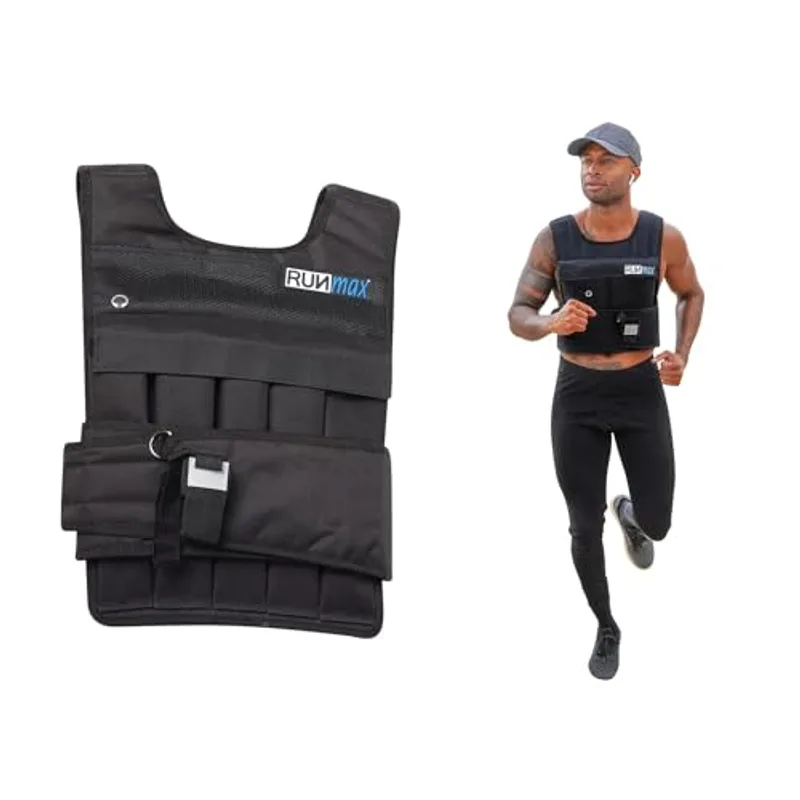
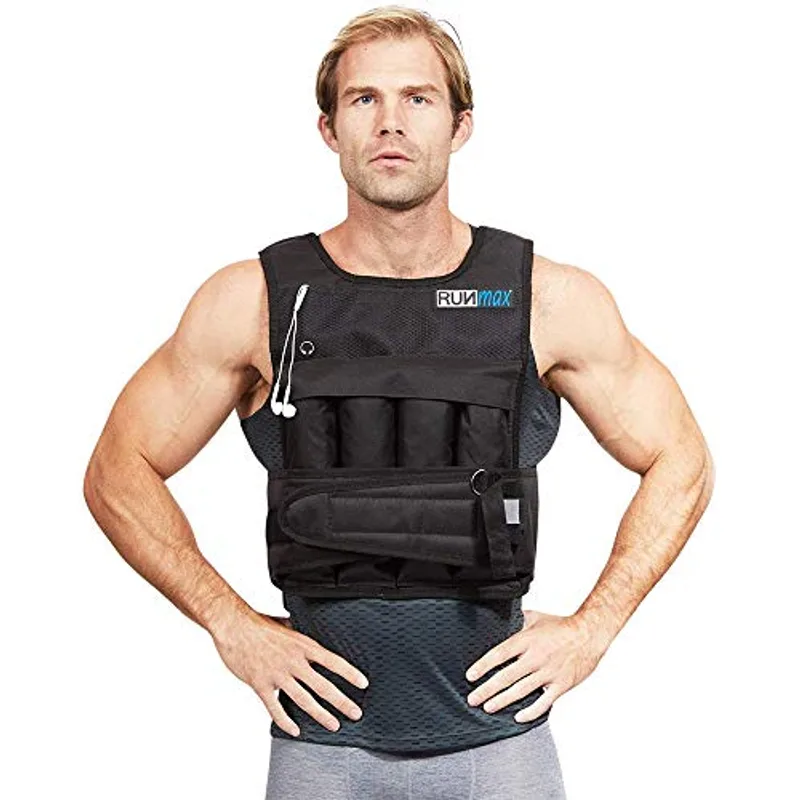
Different tools for different purposes. Sandbags challenge grip strength and force anti-rotation core work due to the shifting load. Weighted vests distribute weight evenly and work better for running or traditional rucking. The sandbag excels at dynamic, full-body movements.
How does the large size compare to medium or XL?
The large (50-125 lbs, 32 inches) fits most athletes for varied training. Medium (25-75 lbs, 26 inches) suits beginners or lighter conditioning work. XL (125-200 lbs, 36 inches) targets advanced strength athletes but becomes cumbersome for dynamic movements unless you're experienced with odd-object training.