Budget Entry Point With Comfort Upgrades
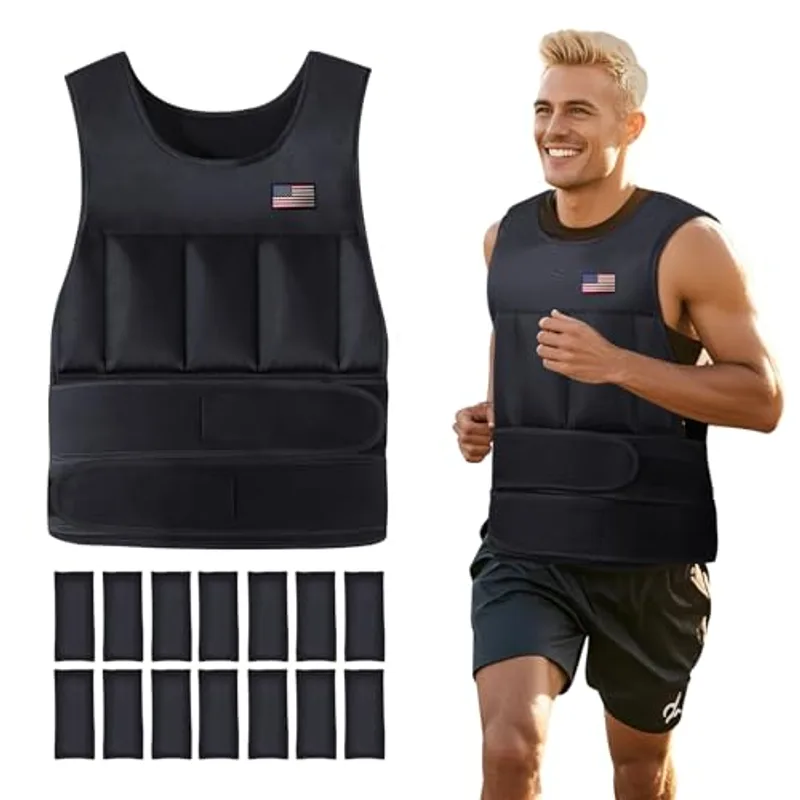
At under $20, the PACEARTH weighted vest delivers features typically reserved for premium models—shoulder pads, reflective safety stripes, and an arm phone pouch. It's a rare combination of affordability and thoughtful design, though you'll notice the compromises in materials and longevity.
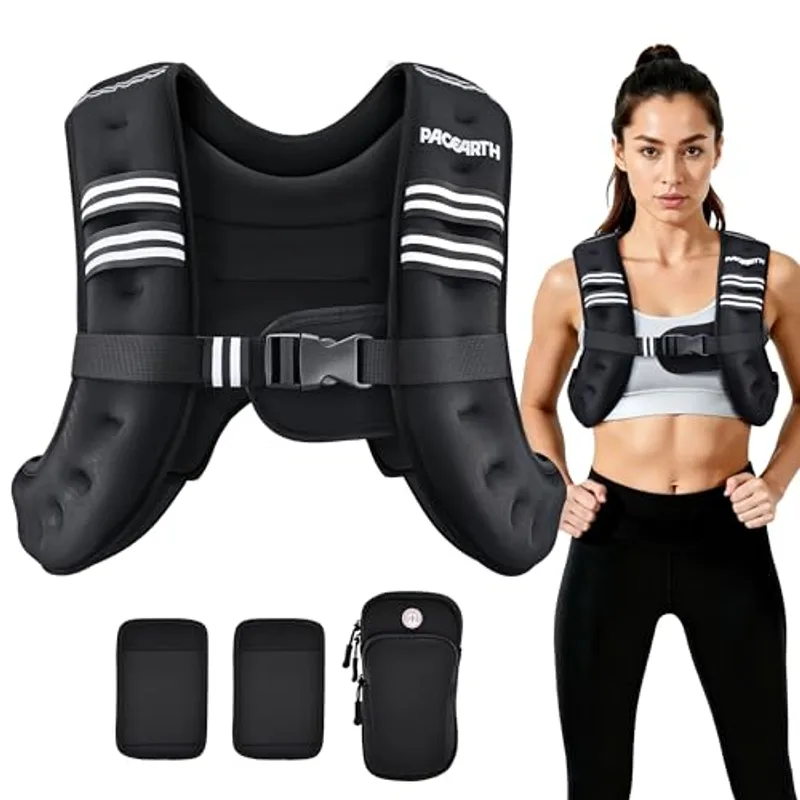
A surprisingly well-featured budget vest that serves beginners well. The price reflects its durability limitations, but the comfort features and safety additions make it worth considering for casual ruckers.
Best for: Budget-conscious beginners exploring weighted training
Check Price — $24.82Specifications
| Price | $24.82 |
Durability
The PACEARTH uses iron shot filling with double-stitched Lycra fabric—a construction method that works but won't match commercial-grade alternatives. The Lycra stretches and breathes well, but expect wear patterns to emerge after consistent use. Iron shot can shift over time despite the compartmentalized design.
The stitching quality appears adequate for light-to-moderate use, though stress points around the shoulder straps and chest buckle will show fatigue first. At this price point, treating it as a starter vest rather than a long-term investment makes sense. Budget accordingly for replacement within 12-18 months of regular use.
Comfort
The inclusion of shoulder pads distinguishes this vest from competitors at similar price points. These pads distribute weight across broader contact areas, reducing the sharp pressure that cheaper vests often create. The Lycra fabric feels soft against skin and doesn't trap heat like neoprene alternatives.
The ergonomic weight distribution works better than expected for iron shot filling. The vest maintains reasonable balance during movement, though it lacks the precision of sand-filled or plate-loaded designs. The arm phone pouch adds convenience without creating bounce or chafing. One chest strap provides adequate security for most body types, though larger frames might prefer dual-strap systems.
Features
Reflective striping on front and back panels addresses a legitimate safety concern that many budget vests ignore entirely. The placement provides 360-degree visibility for early morning or evening outdoor sessions. The integrated phone pouch with earphone port solves the common problem of where to stash essentials during weighted walks.
The adjustable chest strap accommodates various torso sizes, though the single-point adjustment limits customization compared to multi-strap systems. Weight options from 6 to 30 pounds offer progression potential, letting you start light and purchase additional weights as strength builds. The sizing chart references both chest measurement and body weight—follow these guidelines closely for proper fit.
Value
At $17.99, this vest delivers exceptional feature density for the price. Shoulder pads, reflective safety elements, and phone storage typically appear on vests costing three to four times more. The trade-off comes in durability and weight precision—acceptable compromises for someone testing weighted training before committing to premium gear.
Budget vests often skimp on comfort entirely, making this an outlier in its category. If you're curious about rucking but hesitant to invest $100+ in a vest, this provides a legitimate entry point. Just understand you're buying features and initial comfort rather than multi-year durability. For experienced ruckers seeking backup gear or loaner vests, the price makes it disposable enough to justify.
Pros & Cons
Pros
- ✓ Shoulder pads included at budget price point
- ✓ Front and back reflective stripes for safety
- ✓ Integrated phone pouch with earphone opening
- ✓ Wide weight range from 6 to 30 pounds
- ✓ Odor-resistant Lycra fabric stays breathable
- ✓ Single chest strap fits multiple body types
Cons
- ✗ Iron shot filling may shift over time
- ✗ Lycra fabric won't match premium vest longevity
- ✗ Single adjustment strap limits customization
- ✗ Weight distribution less precise than plate systems
Frequently Asked Questions
What weight should I start with if I'm new to rucking?
Start with 6-8 pounds if you're new to weighted training. The PACEARTH size chart recommends choosing based on your body weight—lighter individuals should begin at 6 pounds, while those over 160 pounds can typically handle 8-10 pounds initially. Increase by 2-4 pounds every 2-3 weeks as your body adapts.
Can this vest handle running or just walking?
The vest works for jogging and running, though the iron shot filling creates more internal movement than sand or plate systems. The single chest strap provides adequate security for most paces, but sprinting or high-intensity intervals may cause noticeable bounce. It performs best for walking, rucking, and steady-pace jogging.
How visible are the reflective stripes in low light?
The reflective striping provides solid visibility when hit by headlights or streetlights. The front and back placement ensures drivers approaching from either direction can spot you. The strips aren't as bright as dedicated reflective vests, but they significantly improve safety compared to non-reflective workout gear.
Will the shoulder pads stay in place during use?
The shoulder pads attach to the vest and generally stay positioned correctly during moderate activity. They may shift slightly during extended sessions or vigorous movement. Most users find them comfortable enough that minor adjustments mid-workout don't disrupt training flow.
How does sizing run compared to standard clothing sizes?
PACEARTH uses chest measurement rather than S/M/L sizing. Measure your chest at its widest point and consult their size chart before ordering. The Lycra fabric has some stretch, but ordering too small will cause the vest to ride up, while too large reduces weight distribution effectiveness.