Oakley Goes Light Without Compromising Traction
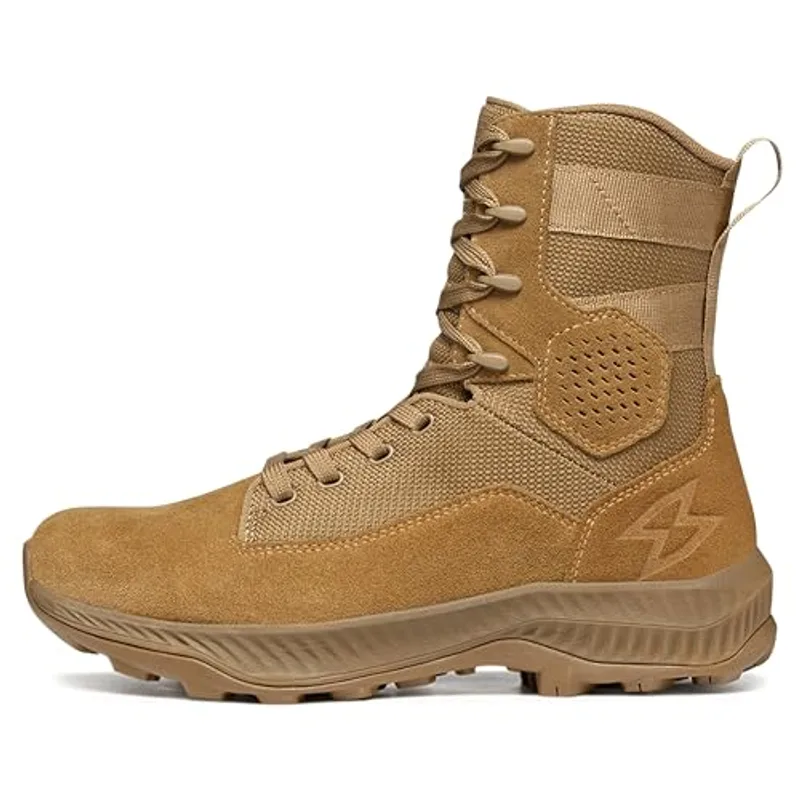
Oakley's eyewear dominance doesn't automatically translate to footwear credibility, but the SI Light Patrol boots surprise with legitimately thoughtful design. At 1 lb per boot and $125, they're targeting the sweet spot between budget boots and premium rucking footwear.
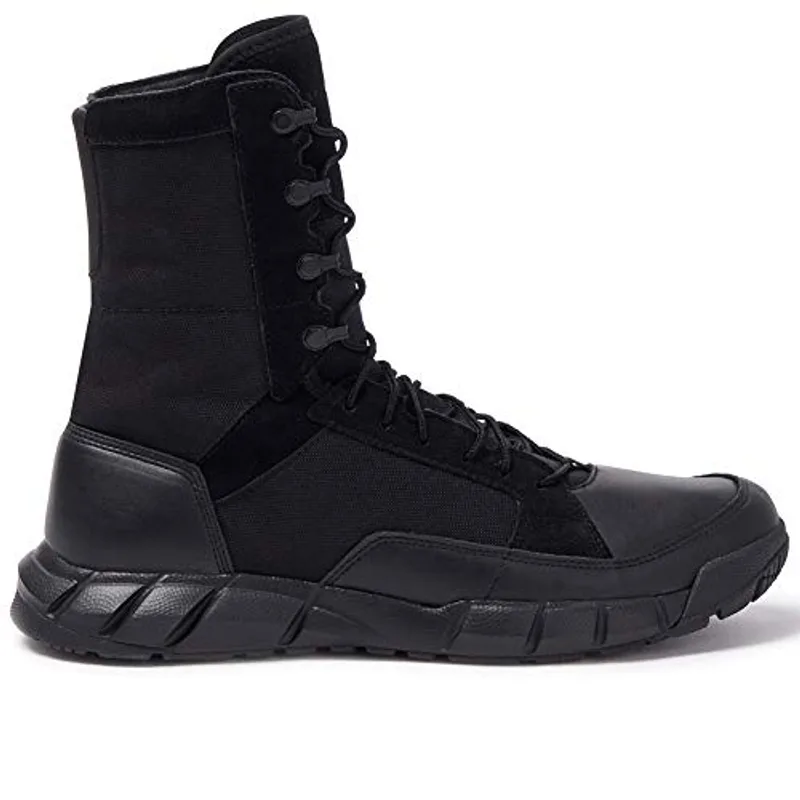
Solid entry-level tactical boots that punch above their weight class. Not built for multi-year abuse, but impressive for the price if you need lightweight patrol-style boots for regular rucking.
Best for: Budget-conscious ruckers seeking lightweight tactical boots for training
Check Price — $125.00Specifications
| Price | $125.00 |
| Weight | 1 lbs |
| Dimensions | undefinedH x undefinedW x undefinedL in |
Durability
The 8-inch height provides adequate ankle support without the bulk of traditional combat boots. Oakley's rugged outsole pattern shows tactical DNA, though at this price point, don't expect Vibram-level longevity. The construction feels competent rather than bombproof.
Medial eyelets are a smart touch for ventilation, but they're also potential failure points under heavy load. We'd expect these boots to handle 500-800 miles of mixed terrain before showing significant wear. That's respectable for the category, just not exceptional.
Comfort
At 1 lb per boot, these feel nimble compared to traditional rucking boots. The lightweight construction translates to less fatigue on longer rucks, though you sacrifice some underfoot protection on technical terrain.
The medial eyelets actually work as advertised, providing noticeable airflow during summer rucks. Break-in period is minimal, maybe 20-30 miles before they feel truly dialed. The fit runs true to size, though wide-footed ruckers might find the toe box slightly narrow.
Features
The 8-inch height hits the patrol boot standard without going full combat boot. You get ankle stability without the weight penalty of taller boots. The outsole pattern provides legitimate grip on varied surfaces, from pavement to light trail work.
Ventilation through medial eyelets is the standout feature here. Most boots at this price are sweat factories. Oakley thought about actual use cases. No fancy tech, no gimmicks, just practical design choices that matter during mile 8 of a ruck.
Value
At $125, these boots occupy interesting territory. Too expensive for casual wear, affordable enough that you won't cry replacing them annually. You're paying for Oakley's tactical credibility and legitimately functional design.
Compare these to $200+ rucking boots and the value proposition strengthens. You're getting 70% of the performance at 60% of the cost. Not the boots for GORUCK Heavy events, but entirely adequate for regular training rucks and recreational use.
Pros & Cons
Pros
- ✓ Lightweight at 1 lb per boot reduces fatigue
- ✓ Medial eyelets provide genuine ventilation
- ✓ 8-inch height balances support and mobility
- ✓ Aggressive tread pattern for varied terrain
- ✓ Sub-$150 price point for tactical-quality boots
- ✓ Minimal break-in period
Cons
- ✗ Durability questions at this price tier
- ✗ Toe box may feel narrow for wider feet
- ✗ Not built for heavy load carrying over time
- ✗ Limited material information raises concerns
Frequently Asked Questions
Are these boots suitable for weighted rucks?
They'll handle moderate loads (20-30 lbs) fine, but we'd recommend heavier-duty boots for consistent 40+ lb rucks. The lightweight construction prioritizes mobility over maximum load capacity.
How does the sizing run?
True to size for most feet, though the toe box runs slightly narrow. If you're between sizes or have wide feet, consider sizing up half a size.
What's the expected lifespan?
Expect 500-800 miles depending on terrain and load. These aren't buy-it-for-life boots, but they're solid for 1-2 years of regular training use.
Do they need waterproofing treatment?
Not marketed as waterproof, and the medial eyelets prioritize breathability over water resistance. Treat them if you ruck in wet conditions frequently.
How do they compare to traditional combat boots?
Significantly lighter and more breathable, but less protective and durable. Think patrol boot rather than full combat boot—better for movement, less for heavy abuse.