Budget Barefoot Convenience With Tradeoffs
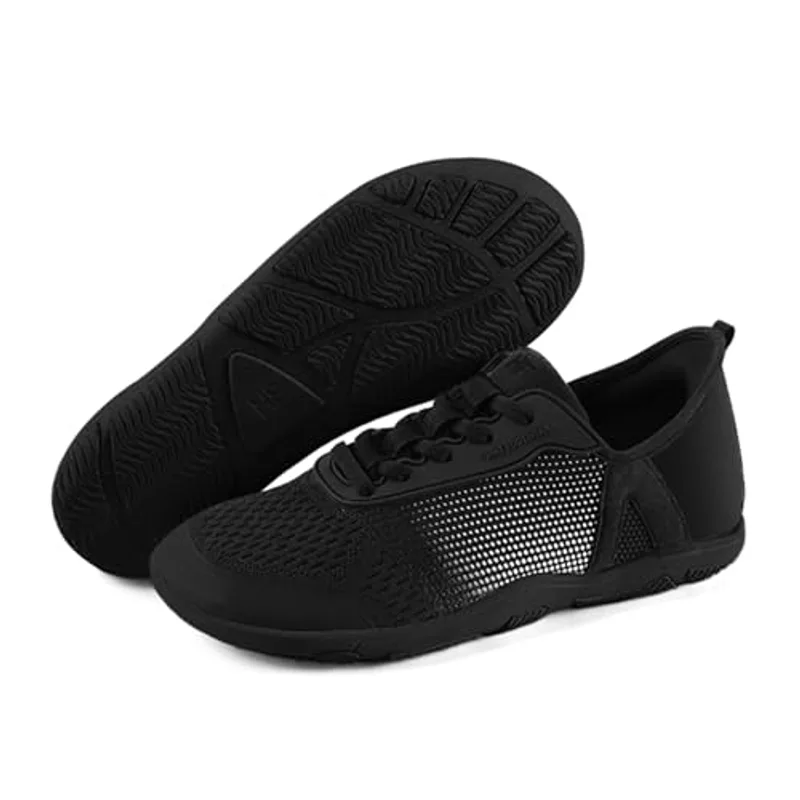
The HF Stride promises barefoot biomechanics with slip-on convenience at a price that undercuts established minimalist brands. After testing these on recovery walks and errands, we found a shoe that nails accessibility but stumbles on durability and fit consistency.
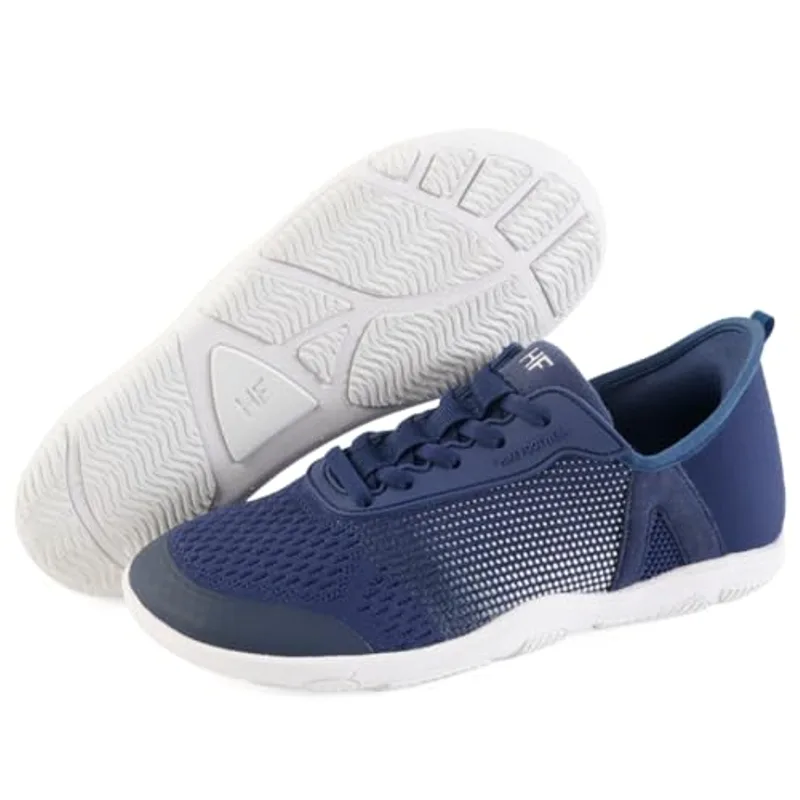
Solid entry-level barefoot shoe for casual wear and recovery days. The slip-on design works, but sizing issues and unknown materials raise questions about long-term value for serious ruckers.
Best for: Barefoot beginners and recovery day casual wear
Check Price — $69.95Specifications
| Price | $69.95 |
Durability
Without material specifications listed, we're working blind on longevity expectations. The structured heel cup suggests some reinforcement, but at this price point, don't expect premium construction. The outsole pattern appears shallow in product images, which typically means faster wear on pavement.
For light recovery walks between ruck sessions, these should hold up fine. But if you're planning daily wear or rougher terrain, the lack of transparent material info is a red flag. Established barefoot brands publish detailed specs for a reason—accountability matters when shoes fail prematurely.
Comfort
The zero-drop sole delivers what barefoot enthusiasts expect: natural foot positioning that lets your arch work as designed. The wide toe box accommodates splay, though the brand's own sizing recommendation—order up one size—suggests inconsistent manufacturing or overly optimistic size charts.
Breathability claims check out for casual wear, keeping feet comfortable during errands and light activity. The slip-on design genuinely works once you've nailed the sizing. However, that structured heel cup they tout as supportive can feel restrictive if you're used to truly minimalist designs. It's a compromise between convenience and pure barefoot feel.
Features
The hands-free entry is the standout feature here. No bending, no laces, just step in and go. For recovery days when you're tight from a heavy ruck, that convenience matters more than you'd think.
Zero-drop geometry positions your body correctly, reducing joint stress and encouraging better posture. This translates well to rucking, where proper alignment prevents cascading problems. The lightweight construction won't bog you down, though without weight specs, we can't compare directly to competitors.
What's missing: traction details, specific upper materials, and any water resistance claims. These gaps make it hard to recommend for anything beyond dry-weather casual use.
Value
At $70, the HF Stride sits well below established barefoot brands like Xero or Vivobarefoot. That pricing makes sense for testing barefoot footwear without a major investment. You're getting functional zero-drop geometry and genuine wide-toe-box design.
But value depends on longevity, and the missing material specs create uncertainty. If these last 6-12 months of regular use, they're a decent deal. If they fall apart in three months, you've wasted money better spent on proven options.
The sizing gamble—order up one size—adds friction to online ordering. Returns eat into that value proposition when you're guessing at fit.
Pros & Cons
Pros
- ✓ Zero-drop sole promotes natural biomechanics
- ✓ True wide toe box accommodates foot splay
- ✓ Slip-on convenience beats laced minimalist shoes
- ✓ Budget-friendly entry to barefoot footwear
- ✓ Lightweight design for all-day comfort
Cons
- ✗ No material specifications provided
- ✗ Sizing runs small requiring guesswork
- ✗ Unknown durability for regular use
- ✗ Limited traction details for varied terrain
Frequently Asked Questions
Do these work for actual rucking?
Not recommended for loaded rucks. The slip-on design and unknown materials make these better suited for recovery walks and casual wear between training sessions.
How does sizing actually work?
The brand recommends ordering one size up due to the structured heel cup. Measure your foot and compare to their size chart, then add that extra size for safety.
What's the difference between these and Xero or Vivobarefoot?
Mainly price and transparency. Established brands publish detailed material specs and durability testing. These sacrifice that accountability for a lower price point.
Can I wear these in wet conditions?
No water resistance claims are made. Without material specs, assume these are dry-weather only until proven otherwise.