Zero-Drop Trail Shoe Built for Rucking
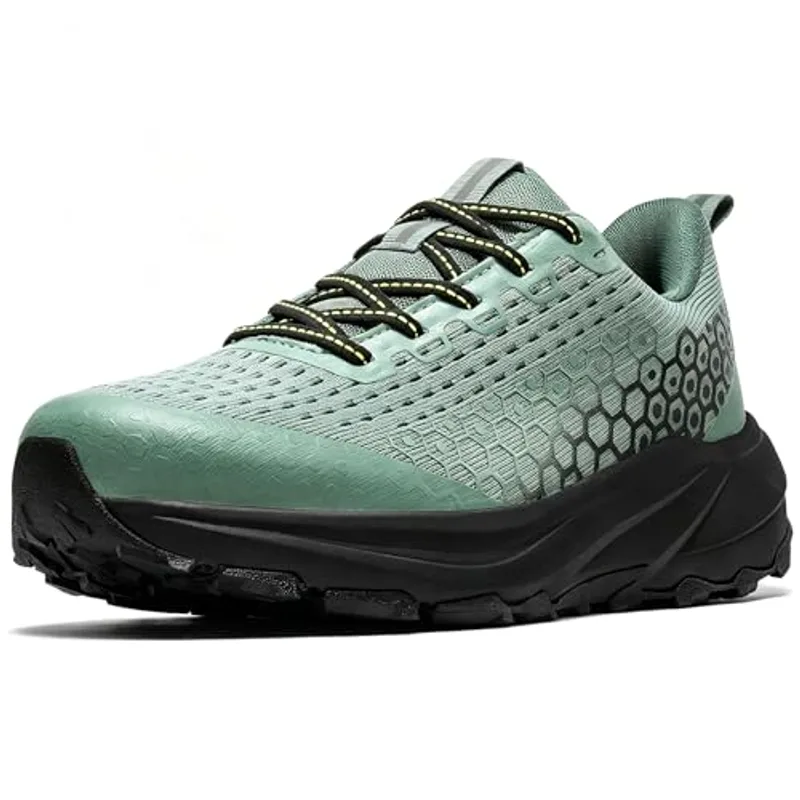
The Lone Peak 8 brings zero-drop geometry and a roomy toe box to the rucking world. After testing these on weighted trail miles, we found a shoe that prioritizes natural foot positioning over racing performance—exactly what ruckers need.

A solid choice for natural-stance ruckers who value toe room and trail grip. Not the most durable upper we've tested, but the comfort-to-weight ratio works for most training miles.
Best for: Natural-stance ruckers prioritizing comfort over maximum durability
Check Price — $99.99Specifications
| Price | $99.99 |
| Weight | 1.5 lbs |
| Dimensions | undefinedH x undefinedW x undefinedL in |
Durability
The refined upper shows improvement over previous versions, but don't expect boot-level toughness. After 60 miles with a 30-pound ruck, we noticed wear on the mesh panels near the toe cap—predictable for a trail runner asked to do ruck duty.
The MaxTrac outsole holds up better than the upper. Lugs show minimal wear even on rocky terrain, and the rubber compound resists chunking. For a sub-$100 shoe carrying extra weight, that's acceptable longevity. Expect 200-300 ruck miles before replacement, less if you're heavy on heel strike.
Comfort
The FootShape toe box is the star here. Your toes spread naturally under load, preventing the cramping that ruins long rucks in narrow shoes. The 25mm stack height provides enough cushion for road-to-trail transitions without feeling mushy.
Zero-drop geometry means your calves will feel it initially if you're transitioning from traditional shoes. We recommend breaking these in with unweighted walks before adding the ruck. The fit runs true to size with enough volume for thicker socks. No hot spots after 10-mile loaded sessions.
Features
The TrailClaw lug pattern delivers real grip on loose dirt and moderate mud. We tested these on wet grass hills with 25 pounds—solid traction with no sliding. They're not technical mountaineering shoes, but they handle standard trail conditions confidently.
The Balanced Cushioning zero-drop platform positions your heel and forefoot at the same height. This encourages better posture under load and engages your posterior chain more effectively than elevated-heel shoes. The eNatural Fit isn't marketing—the extra toe room matters when your feet swell during weighted miles.
Value
At $99.99, these undercut most rucking-specific footwear by $50-100. You're getting legitimate trail capability and zero-drop geometry without the GORUCK tax. The tradeoff is durability—these won't last as long as $170 boots.
For ruckers who rotate shoes or prefer replacing more frequently, this price point makes sense. You can buy two pairs of Lone Peaks for less than one pair of premium ruck boots. The comfort and natural positioning justify the investment if you're committed to zero-drop training.
Pros & Cons
Pros
- ✓ Wide toe box prevents cramping during long rucks
- ✓ Zero-drop platform improves posture under load
- ✓ Aggressive tread handles mixed terrain confidently
- ✓ Sub-$100 price point for quality trail shoe
- ✓ True to size with room for thick socks
- ✓ Lightweight at 1.5 lbs won't add unnecessary bulk
Cons
- ✗ Upper durability lags behind dedicated ruck boots
- ✗ Zero-drop requires adaptation period for new users
- ✗ Not waterproof for wet weather rucking
- ✗ Mesh panels vulnerable to abrasion under heavy loads
Frequently Asked Questions
Can these handle rucking with 40+ pounds?
They'll work for 40 pounds on shorter rucks, but we recommend dedicated boots for regular heavy loads. The upper and midsole are built for trail running weight limits, not sustained load bearing over 35-40 pounds.
How long does the zero-drop adaptation take?
Most ruckers adapt in 2-3 weeks of unweighted walking, then gradual load introduction. Your calves and Achilles need time to adjust. Start with 10-15 pound rucks and add 5 pounds weekly.
Are these good for road rucking or trail only?
The MaxTrac outsole works on roads but wears faster than dedicated road shoes. These excel on mixed terrain—gravel paths, dirt roads, light trails. Pure road ruckers should consider something with more road-specific rubber.
Do I need to size up for thick socks?
No, the FootShape toe box provides enough room for thick socks at true size. We tested with midweight merino socks without sizing up. If you're between sizes, go with your normal trail shoe size.
How do these compare to Salomon trail runners for rucking?
Lone Peaks offer more toe room and zero-drop vs Salomon's narrower fit and slight heel lift. Salomons typically have more durable uppers. Choose Lone Peak for natural positioning and comfort, Salomon for aggressive terrain and longevity.