Zero-Drop Trail Shoe Built for Loaded Miles
The Lone Peak 9 brings Altra's signature zero-drop geometry and FootShape toe box to trail rucking. At 0.88 pounds per shoe, it's light enough for fast movement but substantial enough for weighted carries. The question is whether trail runners actually work for rucking.
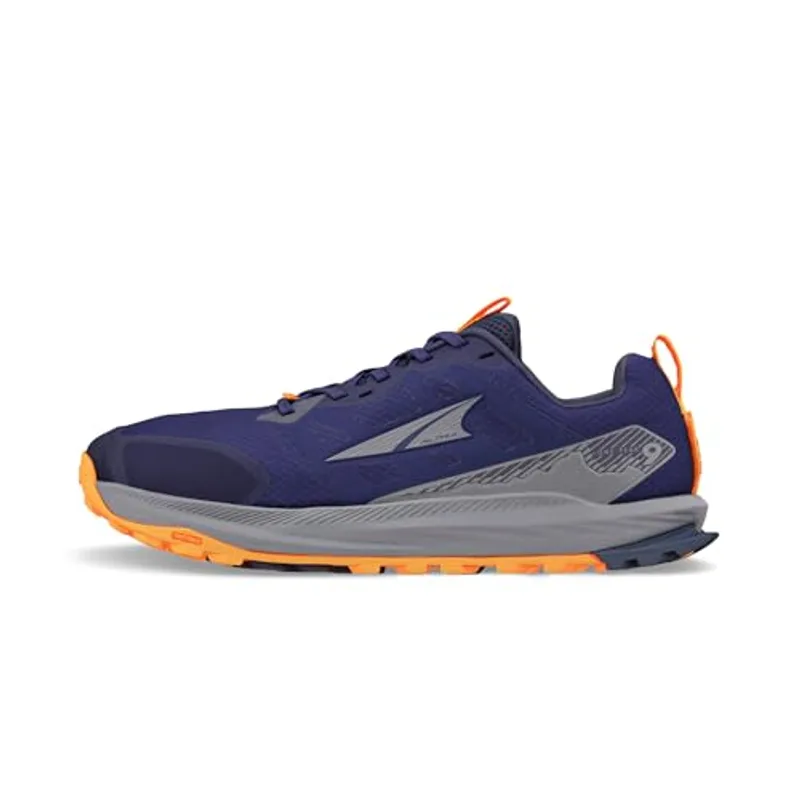
A solid choice for experienced ruckers who prefer zero-drop geometry and natural foot positioning. The wide toe box prevents hot spots on long hauls, though the cushioning may feel soft for heavy loads.
Best for: Light to moderate rucking on groomed trails with natural foot strike
Check Price — $134.22Specifications
| Price | $134.22 |
| Weight | 0.88 lbs |
Durability
Trail running shoes typically don't last as long as dedicated boots, and the Lone Peak 9 is no exception. The Altra EGO midsole foam is generous but compresses faster under ruck weight than firmer compounds. The upper uses standard trail mesh reinforced at high-wear zones, which handles abrasion from trails but shows wear after 300-400 miles of loaded carries.
The outsole pattern provides decent grip on mixed terrain, though the rubber compound is softer than what you'd find on approach shoes or dedicated hiking boots. Expect to replace these after a season of regular rucking. They're built for fast trail movement, not multi-year durability.
Comfort
The FootShape toe box is the standout feature. Your toes spread naturally under load instead of jamming forward, which eliminates the hot spots and blisters common with tapered shoes. The zero-drop platform puts your heel and forefoot at the same height, encouraging midfoot striking even when tired.
The Altra EGO midsole provides substantial cushioning without feeling squishy. It absorbs trail chatter well on rocky sections, though some ruckers carrying 40+ pounds may want a firmer platform for stability. The shoe fits true to size with generous volume. Break-in is minimal—most wearers are comfortable within the first 10 miles.
Features
The balanced cushioning platform is the core technology here. Zero-drop geometry distributes ruck weight more evenly across your foot, reducing heel stress on long carries. This works exceptionally well if you're already adapted to minimalist footwear, but requires adjustment if you're coming from traditional running shoes.
The FootShape toe box is wider than standard athletic shoes, allowing natural toe splay. This improves balance and reduces pressure points when carrying weight. The Altra EGO midsole foam strikes a balance between cushioning and ground feel—you get protection from rocks without losing trail feedback. The upper breathes well but lacks waterproofing, so expect wet feet in rain or stream crossings.
Value
At $134, the Lone Peak 9 sits in the mid-range for trail runners and undercuts most rucking-specific boots by $50-100. You're getting proven trail geometry and comfort technology, but sacrificing longevity. The value equation works if you prioritize weight savings and natural foot positioning over maximum durability.
These make sense for ruckers who cover high mileage on groomed trails or want a lighter option for speed work. They're less sensible for heavy load carries (50+ pounds) or rough terrain where you need ankle support and burly construction. The price is fair for what you get, but factor in replacement costs if you ruck frequently.
Pros & Cons
Pros
- ✓ Wide FootShape toe box prevents blisters and hot spots on long rucks
- ✓ Zero-drop platform encourages natural foot strike under load
- ✓ Light at 0.88 pounds per shoe for fast trail movement
- ✓ Generous Altra EGO cushioning absorbs trail impact
- ✓ Minimal break-in period, comfortable from first wear
- ✓ True to size with roomy fit accommodates thick socks
Cons
- ✗ Trail runner durability, not built for multi-year use
- ✗ Cushioning may feel too soft for heavy loads over 40 pounds
- ✗ No waterproofing, feet get wet in rain or stream crossings
- ✗ Zero-drop requires adaptation period for traditional shoe wearers
Frequently Asked Questions
Can the Lone Peak 9 handle heavy ruck weight?
They work well for loads up to 40 pounds on groomed trails. Beyond that, the cushioned midsole can feel unstable and the lightweight construction shows stress. For heavier loads, consider a boot with firmer support.
Do I need to adjust to zero-drop shoes?
Yes, if you're coming from traditional running shoes. Start with short rucks and gradually increase distance over 2-3 weeks. Your calves and Achilles tendons need time to adapt to the different geometry.
How long do these last with regular rucking?
Expect 300-400 miles of loaded carries before cushioning degrades and the upper shows significant wear. That's 4-6 months for someone rucking 15-20 miles per week.
Are these actually better than boots for rucking?
Depends on your style. They're lighter and more nimble on groomed trails, with better breathability. Boots offer more ankle support, durability, and protection on rough terrain. Choose based on your typical routes and load weight.
Do these run true to size?
Yes, with generous volume. The FootShape toe box is wider than standard shoes. If you have narrow feet, you may need to size down or use thicker socks for a snug fit.