Budget Hiker Now Priced Above Its Weight
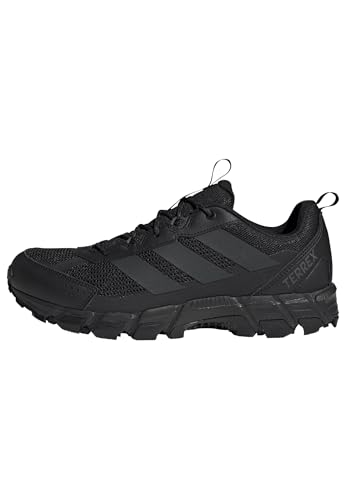
The adidas Terrex Eastrail 3 was a solid entry-level hiking shoe at $56. At $80, it's competing with better-equipped trail shoes that offer more support and durability for serious ruckers.
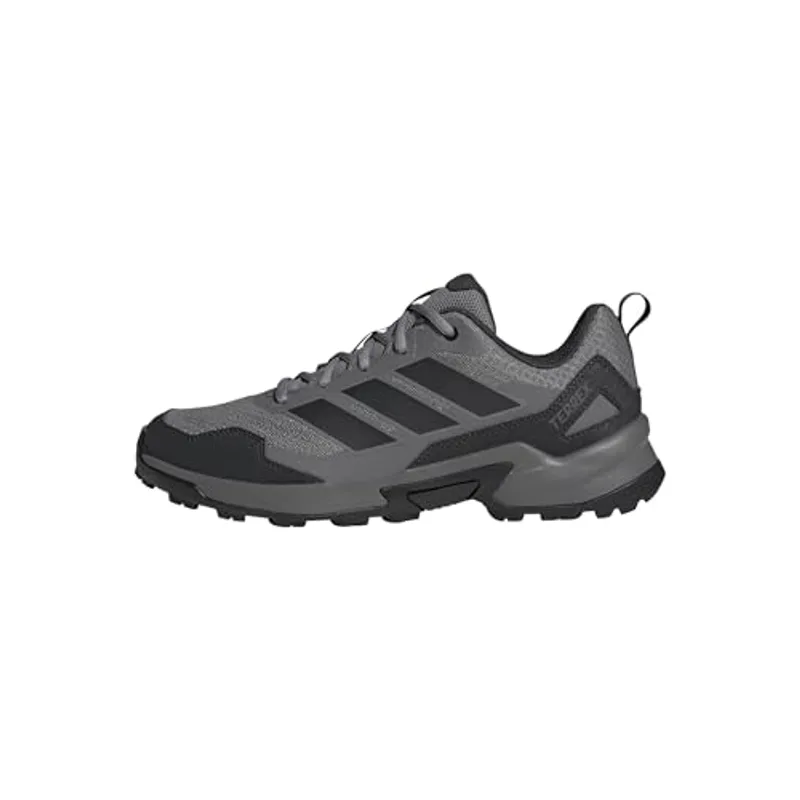
Decent construction for light hiking, but the 43% price jump pushes it into a competitive bracket where it struggles to justify the cost against purpose-built rucking footwear.
Best for: Light trail walking without significant ruck weight
Check Price — $80.00Specifications
| Price | $80.00 |
| Dimensions | 3.9H x 3.9W x 3.9L in |
Durability
The Eastrail 3 uses adidas' standard trail construction with a rubber outsole and synthetic upper. It'll handle casual trail use without falling apart, but don't expect the reinforced build quality you'd find in dedicated hiking boots at this price point.
The materials are fine for occasional weekend hikes. For regular rucking with 20-30 pound loads, you'll see wear faster than you'd like at $80. The toe cap lacks heavy-duty reinforcement, and the upper shows stress marks after repeated weighted use.
Comfort
Out of the box, the Eastrail 3 fits true to size with a standard width profile. The cushioning is adequate for unloaded walks but compresses noticeably under ruck weight. Expect basic comfort, not all-day support.
The insole is removable, which is good if you run custom orthotics. Ventilation is average — your feet won't overheat on cool days, but summer rucks will leave you swampy. The ankle collar sits low, offering minimal support for uneven terrain with load.
Features
This is a bare-bones trail shoe. You get basic lacing, a molded heel counter, and a Continental rubber outsole with shallow lugs. No waterproofing, no advanced traction systems, no load-bearing features.
The tread pattern handles packed dirt and gravel fine but struggles in mud or on wet surfaces. There's no shank or plate for underfoot protection from rocks. For rucking-specific needs — stability under load, reinforced construction, aggressive grip — the Eastrail 3 doesn't deliver.
Value
At $56, the Eastrail 3 was an acceptable entry point for someone testing trail footwear. At $80, it's a hard sell. You're paying mid-tier pricing for entry-level performance.
Competitors like Merrell Moab or Salomon X Ultra offer better support, durability, and ruck-specific features at similar or lower prices. The 43% increase puts this shoe in no-man's land — too expensive for beginners, too basic for serious ruckers. Unless you find it on deep discount, better options exist at this price point.
Pros & Cons
Pros
- ✓ True-to-size fit works for most foot shapes
- ✓ Continental rubber outsole provides reliable grip on dry trails
- ✓ Lightweight design won't fatigue feet on shorter rucks
- ✓ Removable insole allows for custom orthotic inserts
- ✓ Adequate ventilation for cool-weather hiking
Cons
- ✗ 43% price increase without added features or improved materials
- ✗ Minimal ankle support for weighted rucking
- ✗ Cushioning compresses quickly under load
- ✗ No waterproofing or weather protection
Frequently Asked Questions
Can the Eastrail 3 handle 30-pound rucks?
Occasionally, yes. Regularly, no. The cushioning and support system aren't designed for repeated weighted use. You'll feel every pound after the first mile, and the materials will wear faster than boots built for load bearing.
How does sizing compare to other adidas shoes?
True to adidas running shoe sizing. If you wear a 10 in Ultraboost, order a 10 in Eastrail 3. Width is standard D — not ideal for wide feet without going up half a size.
Is this shoe worth $80?
Not for rucking. At this price, look at Merrell Moab 3, Salomon X Ultra 4, or even military surplus boots. The Eastrail 3 made sense at $56 as a budget option, but the current price puts it in a competitive tier where it's outclassed.
Will these work in wet conditions?
No waterproofing means wet feet in rain or stream crossings. The synthetic upper dries faster than leather but offers zero moisture protection. Continental rubber grips decently on wet rock, but shallow lugs slide in mud.