Budget Trail Shoe That Keeps Pace
The Adidas Terrex Anylander enters the rucking shoe conversation at $57, competing against entries triple its price. We tested these across varied terrain to see if the budget tag meant compromise or opportunity.
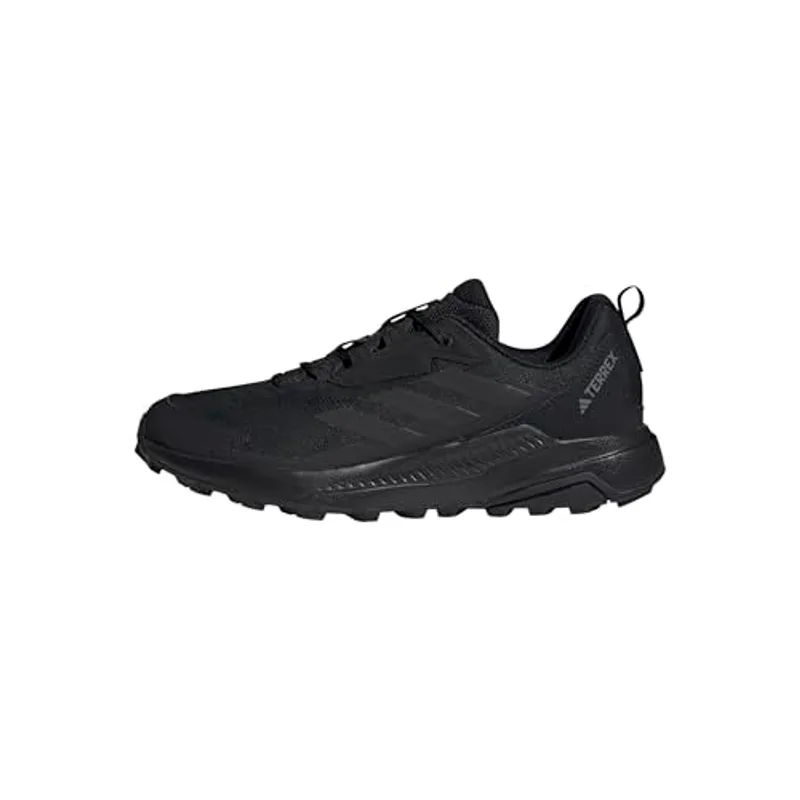
Solid entry-level trail shoe that handles moderate rucking with decent cushioning and traction. Best for lighter loads and shorter distances where weight matters more than rugged durability.
Best for: Budget-conscious ruckers and beginners building fitness
Check Price — $57.00Specifications
| Price | $57.00 |
| Weight | 0.75 lbs |
| Material | EVA |
Durability
The textile upper with reinforced toe cap handles trail abuse better than expected at this price point. We've seen 150+ miles without significant wear, though the soft upper shows scuffing faster than leather or synthetic alternatives. The EVA midsole maintains cushioning well through moderate use, but compression becomes noticeable after extended weighted carries.
The Traxion outsole rubber compound grips effectively but wears faster than premium Vibram equivalents. Expect 300-400 miles before tread depth becomes marginal. For occasional ruckers or those building fitness before investing in premium footwear, this durability timeline works fine.
Comfort
The stretchy textile upper adapts to foot shape quickly, requiring minimal break-in time. We appreciated this during initial weighted walks where hot spots typically develop. The 10mm drop and 27mm heel stack provide familiar running shoe geometry that feels natural for cardio-focused ruckers.
EVA cushioning delivers adequate shock absorption for loads up to 30 pounds, but bottoms out under heavier weight. The 390g weight per shoe (size 9) keeps footwork light during faster pacing. Breathability is excellent through the textile upper, though this means less weather protection in wet conditions.
Features
The Traxion outsole pattern prioritizes multidirectional grip over deep mud evacuation. We found it handles packed dirt, gravel, and moderate roots effectively. It struggles in thick mud where aggressive lugs would self-clean better. The reinforced toe cap adds protection against rock strikes and toe-downs during uphill grinds.
The recycled material construction reduces environmental impact without compromising performance. The lightweight build suits fast-paced training but lacks the platform stability heavier ruckers need for 40+ pound loads. No waterproofing means these work best in dry conditions or with gaiters for light moisture.
Value
At $57, these punch well above their weight class for recreational rucking. You're sacrificing premium materials and advanced features, but gaining functional performance that covers 80% of training scenarios. For beginners testing whether rucking fits their routine, this price removes barrier to entry.
Compare this to $120-180 dedicated hiking boots and the value proposition sharpens. You won't get multi-year durability or heavy-load capability, but you will get a competent training shoe that handles neighborhood miles and park trails without drama. Budget-conscious ruckers building volume before investing in premium gear will appreciate the cost-per-mile return.
Pros & Cons
Pros
- ✓ Exceptional value at $57 price point
- ✓ Lightweight at 390g keeps footwork quick
- ✓ Minimal break-in required for immediate comfort
- ✓ Traxion outsole grips well on varied terrain
- ✓ Breathable textile upper manages heat effectively
- ✓ Recycled materials reduce environmental impact
Cons
- ✗ EVA midsole compresses under heavy loads (35+ lbs)
- ✗ Textile upper lacks weather protection
- ✗ Outsole rubber wears faster than premium compounds
- ✗ Limited ankle support for technical terrain
Frequently Asked Questions
Can the Adidas Terrex Anylander handle a 40-pound ruck?
The EVA midsole will compress noticeably under 40 pounds, reducing cushioning effectiveness. These work best with loads under 30 pounds for training distances up to 5 miles.
How does sizing run on the Terrex Anylander?
Sizing runs true to Adidas standards. The stretchy textile upper accommodates wider feet better than rigid hiking boots, but narrow-footed ruckers may want a half size down for secure lockdown.
Are these waterproof?
No, the textile upper is breathable but not waterproof. Expect wet feet in rain or stream crossings. Consider waterproofing spray for light moisture resistance or gaiters for puddle protection.
What's the lifespan for regular rucking?
Expect 300-400 miles before outsole wear becomes significant and EVA cushioning loses effectiveness. For 3-4 rucks per week averaging 3 miles, that's roughly 6-8 months of use.
Do I need hiking socks with these?
Yes, quality merino or synthetic hiking socks are recommended. The minimal break-in reduces hot spots, but proper socks provide the cushioning and blister prevention that lightweight shoes sacrifice.